
 SUB
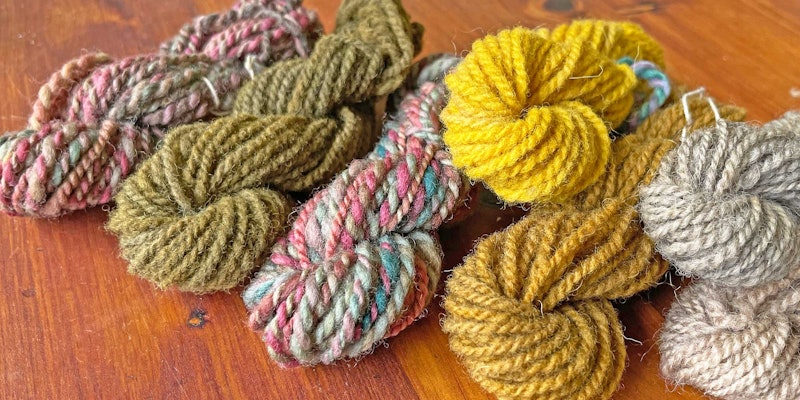
SUBDeeper Shades: Modifying Dyed Fibers with Tannin and Iron
Modify the color of your dyed fibers by adding iron and tannin post-dye.
Category
SUBModify the color of your dyed fibers by adding iron and tannin post-dye.
Season 9, Episode 3: The most surprising and beautiful sources of natural color may be the ones beneath your feet. Naturalist and forager Alissa Allen relishes the rainbows she can find in mushroom and lichen dyeing—and wants to teach you to find your own.
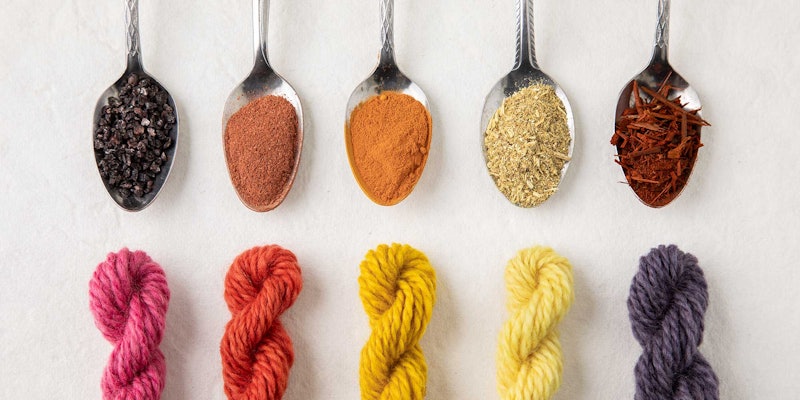
Gerber’s out-of-print resources are highly coveted by today’s natural dyers. Find some of his works in the Spin Off Library.
Season 9, Episode 2: With curiosity about the potential for organic agriculture and perseverance in the face of formidable skeptics, the founder of Vreseis and Foxfibre continues to transform our understanding of cotton.
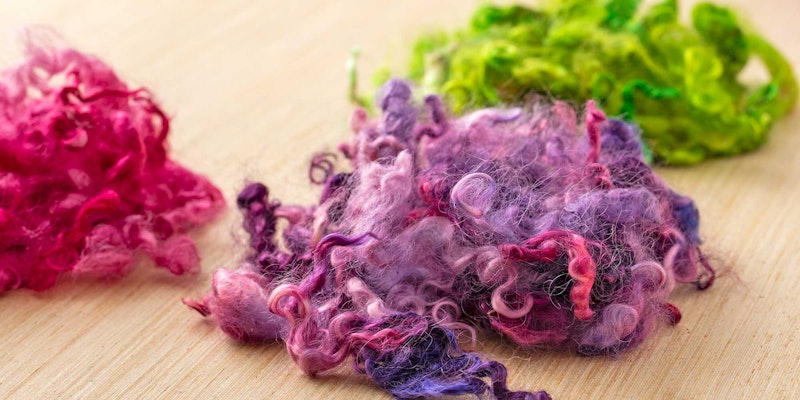
Learn an easy way to get complex dye effects using just one acid-dye color!
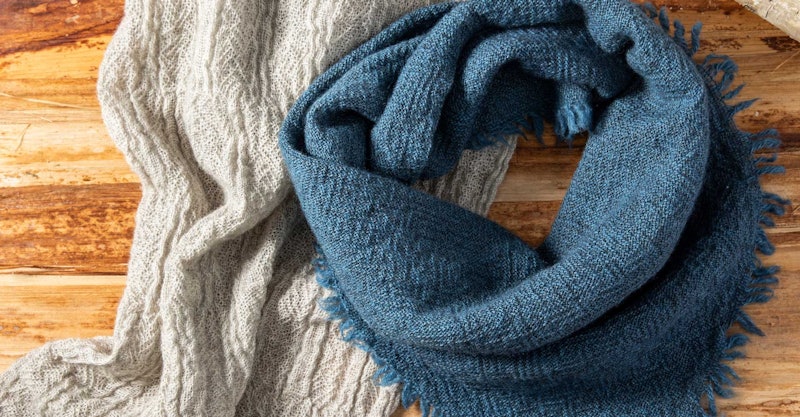
Find out how Finnish weaver Hannele Köngäs combines Finnish wool, traditional textile inspiration, and the power of twist to create three-dimensional cloth that dances and moves and is as light as it is drapey.
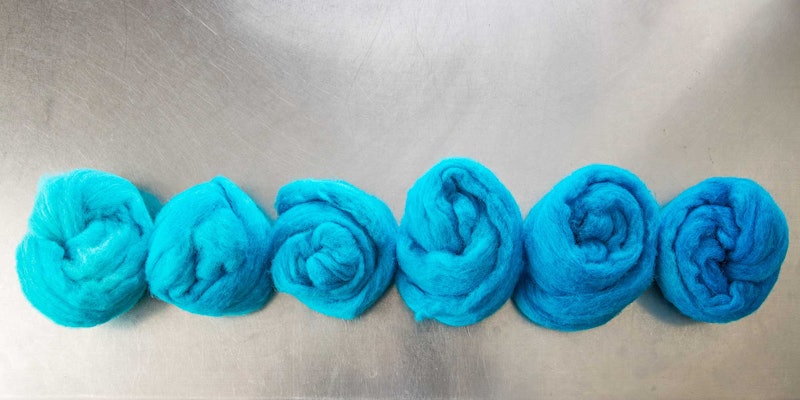
Whether you are new to acid dyes or just curious to see another experienced dyer at work, Mary’s step-by-step instructions are a great way to peek into her Texas dyeing studio.
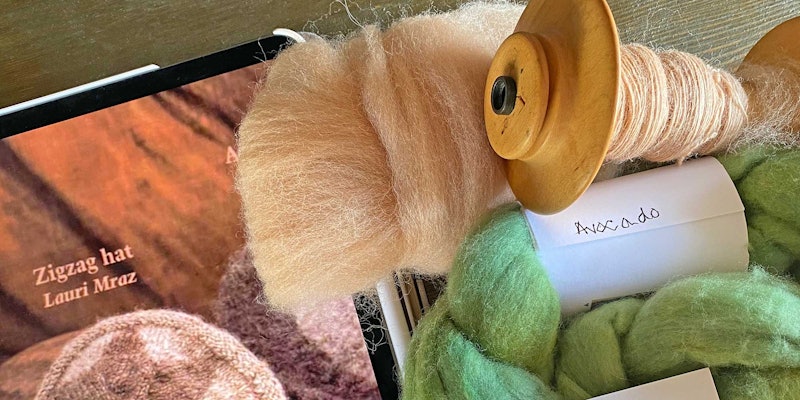
I was very excited to learn that the theme of this year’s spin-along is colorwork. Take a look at my collection of handknits and you’ll see that colorwork is so obviously my true fiber love!
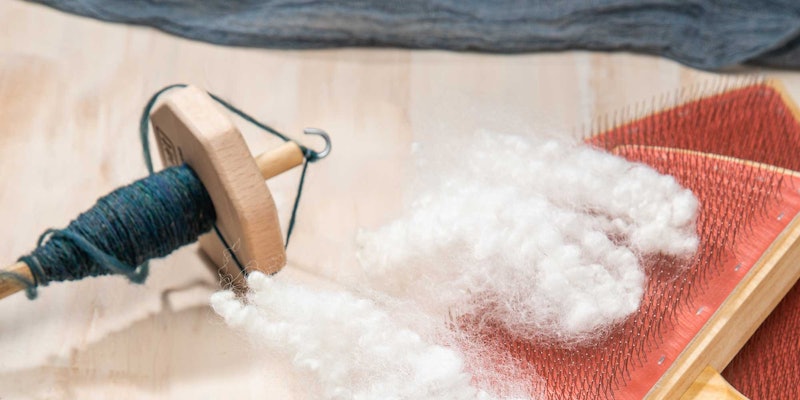
We’ve rounded up a list of your favorite Spin Off posts of 2023—and what a varied list it is!
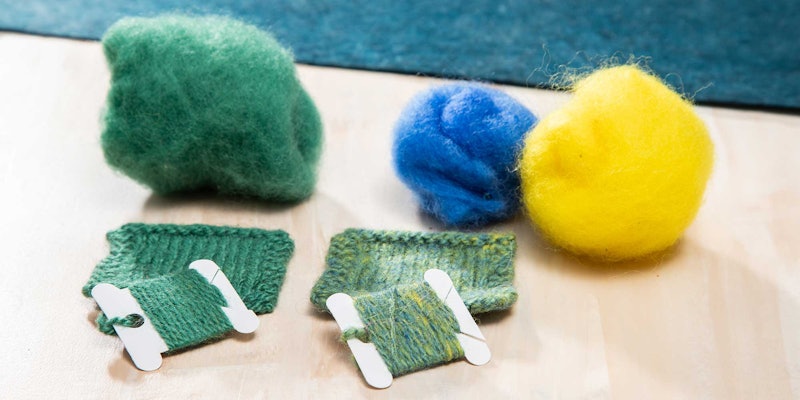
Spinners can create complex colors in different ways. As a dyer, Alanna can mix dye stocks to create specific hues, but here, she explores how to apply that same approach to handcarded color.
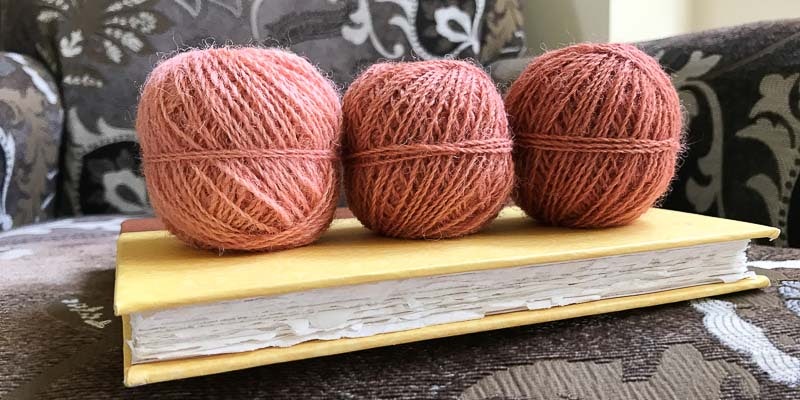
Kate shares her notes on spinning and dyeing Llanwenog wool.
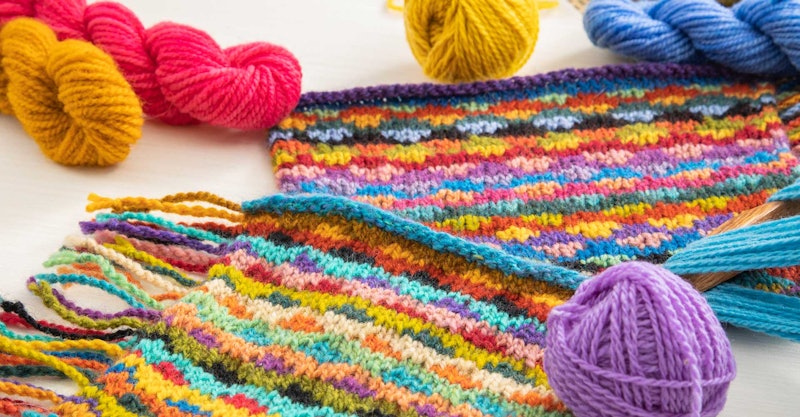
See how one spinner explores color by building a stash of hand-dyed handspun using mini loaf pans and a roaster oven from the thrift store.