
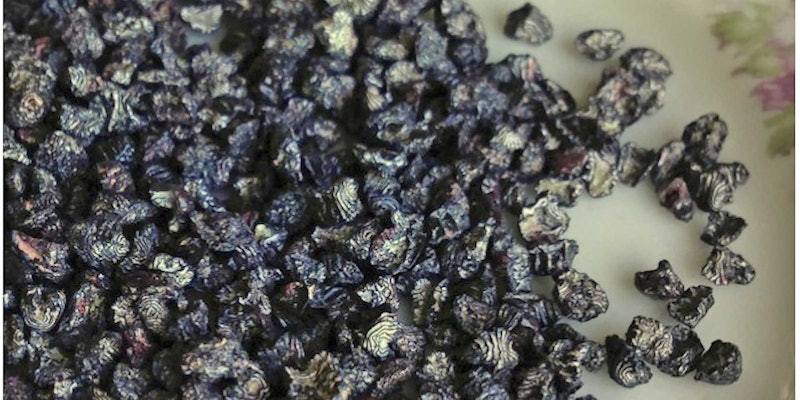
What do you do when you see red?
You may be surprised by the unlikely hues that result from these sources of natural dye.
Category
You may be surprised by the unlikely hues that result from these sources of natural dye.
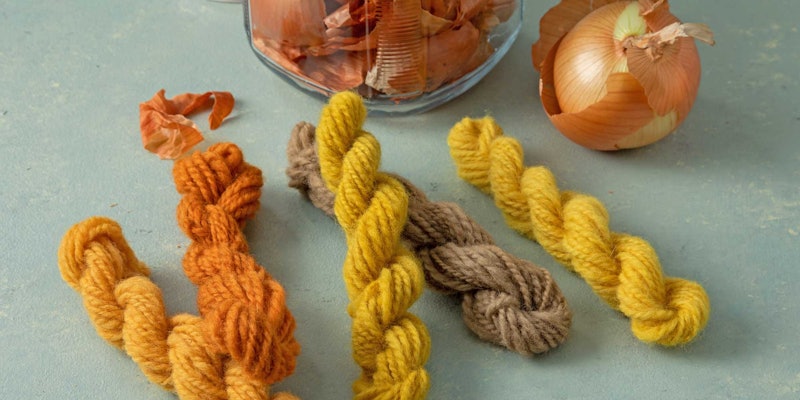
Are you curious about natural dyeing but have yet to give it a try? We’d like to help you get started!
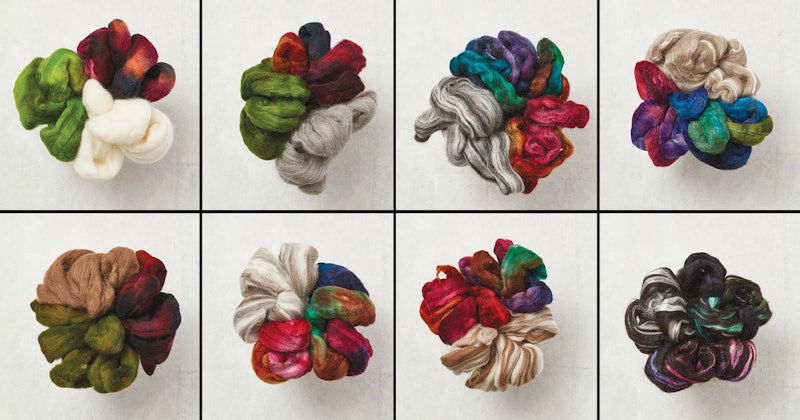
Spinners love working with dyed combed tops, most of which start out a shade of white or ecru. For richer, more complex colors, some artists like to overdye, or add dye over another color.
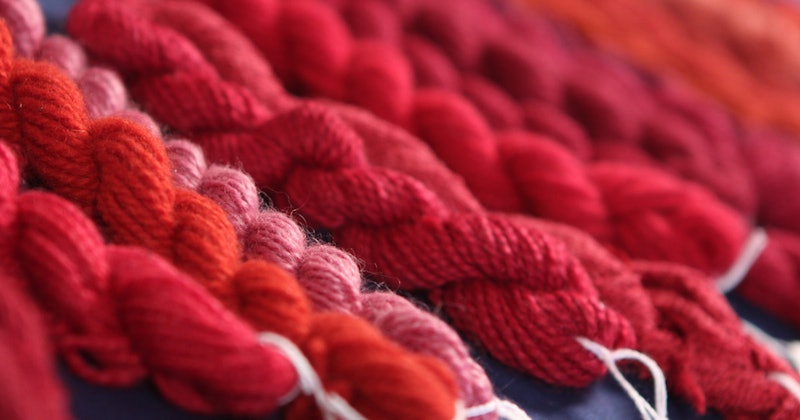
We’re getting ready for our annual deep dive into color: blending, plying, dyeing, and more. Share your article and project ideas with Spin Off!
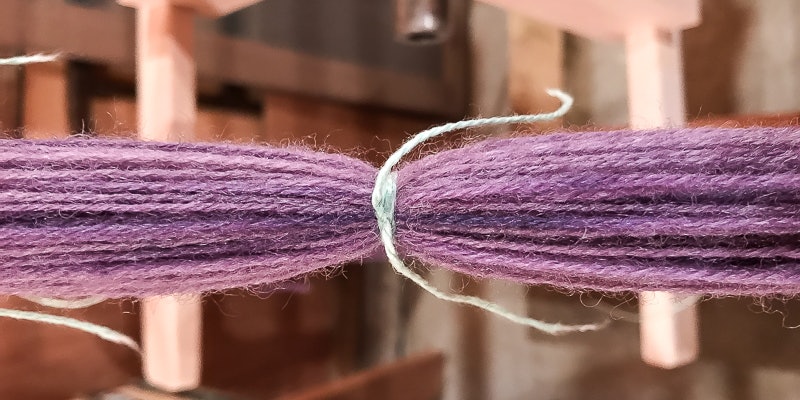
For this natural dye project, Kate reveals how she added subtle speckles to her knitted socks by using a resist-dyeing technique on her handspun skein.
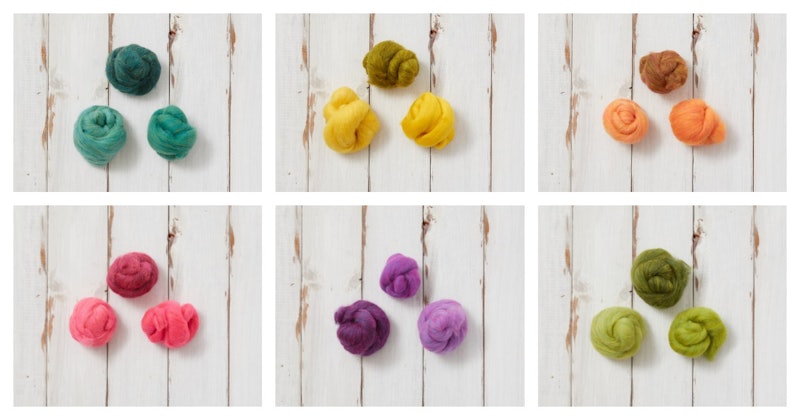
Astonished and captivated by all the colorful wool on the market? What if you could create those luscious hues yourself, all without the use of a dye pot?
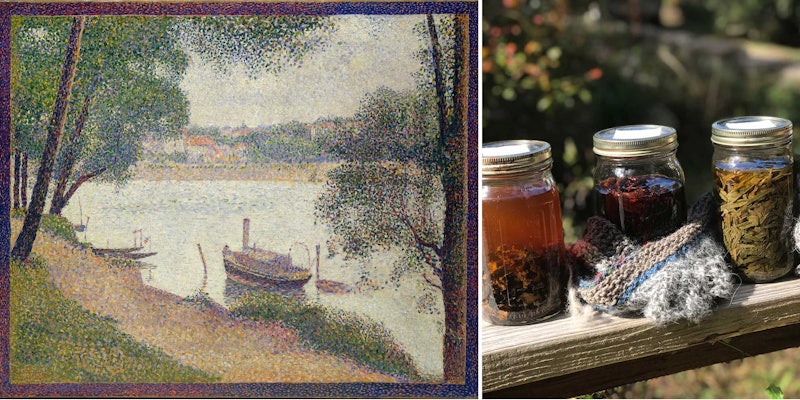
We’ve dug into the Spin Off archives to uncover exercises for the study of color interactions. Use these experiments to create interesting colored yarns.
Season 6, Episode 5: Life lessons are where you find them. Peggy Orenstein found them in her quest to build a sweater from scratch.
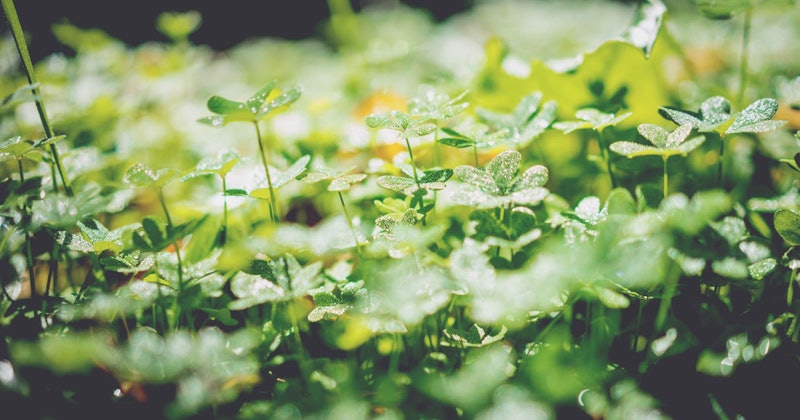
This St. Patrick’s Day, let’s talk about the color green, specifically, the emerald-green dye put out by the Wilhelm Dye and White Lead Company.
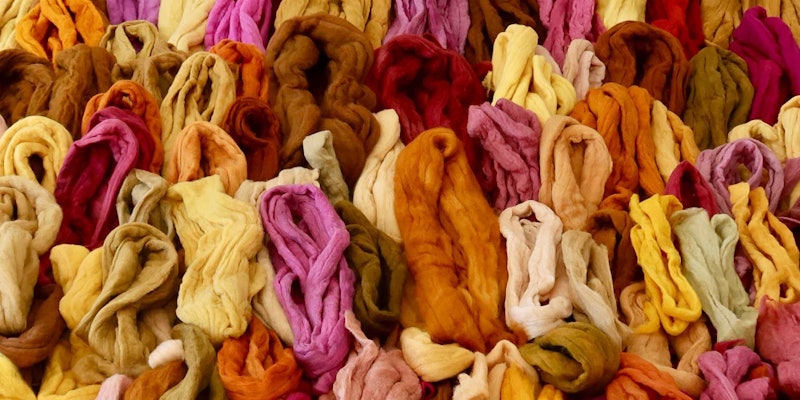
Peek inside one spinner‘s process of using natural dyes gathered from his homeland in Australia to create nearly 150 dye extractions and over 15 pounds of colorful fiber to spin and knit to his heart's content.
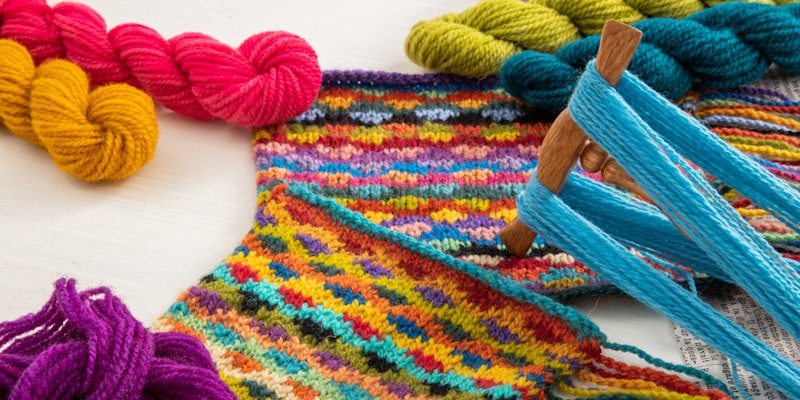
Just in time for spring, Spin Off contributors share their experiences dyeing, blending, spinning, and more in pursuit of the perfect palette.
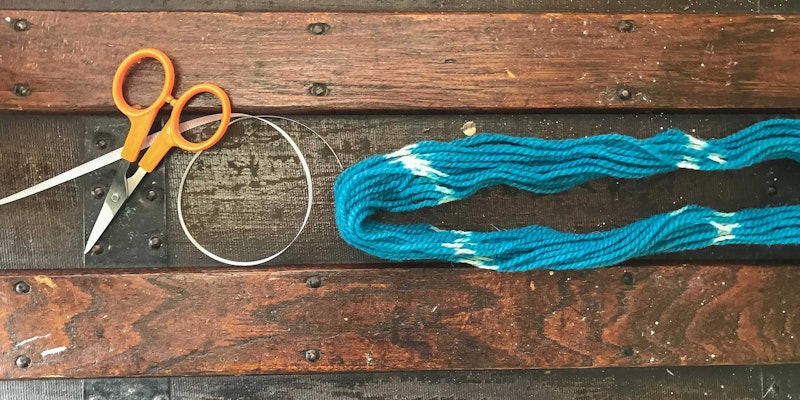
Speckled hand-dyed yarns are all the rage, but our love for sprinkles and speckles of color isn't new. Kate fell head over handknitted heels for traditional Norwegian flammegarn and had to give it a try.