 SUB
SUBA Spinner’s Take on Pantone’s Color of the Year: Viva Magenta
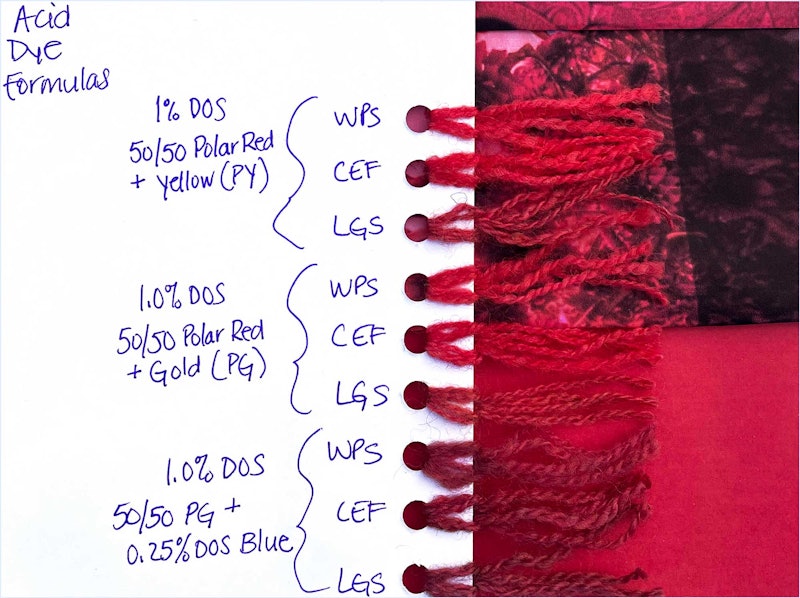
Experiment with natural or acid dyes to re-create this vibrant hue by dyeing your own version.
Category
SUBExperiment with natural or acid dyes to re-create this vibrant hue by dyeing your own version.
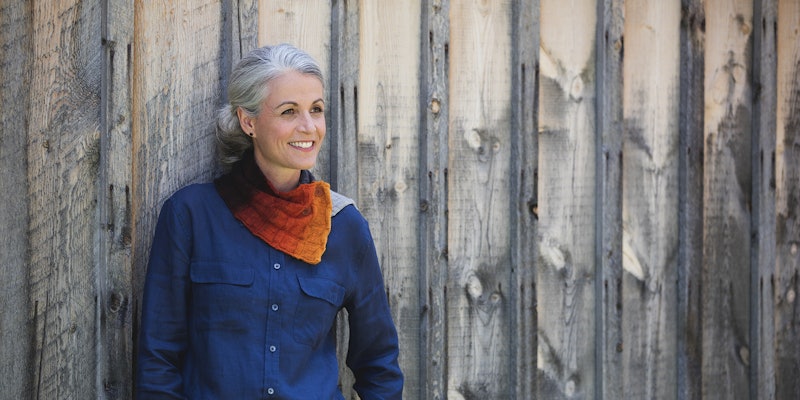
Find out why cowls make a great handspun project, and download our new eBook, 7 Cowls to Spin, Make & Give from Spin Off, to find a pattern perfect for your yarn.
Nervous about natural dyes? Start with these resources, including a PDF full of dyeing instructions and tips.
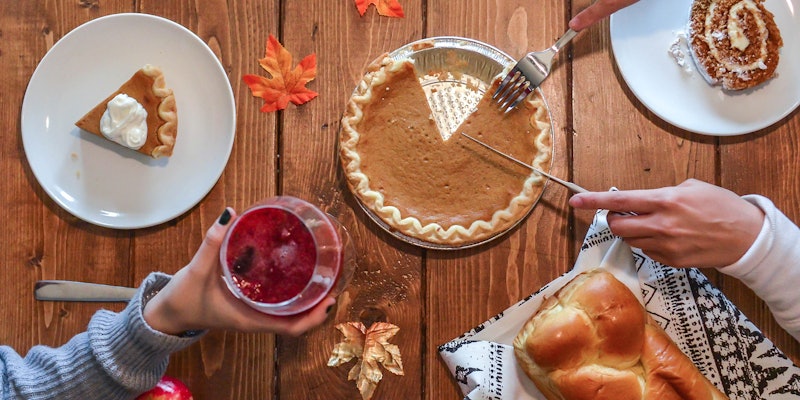
Linda serves up a treat for your holiday weekend.
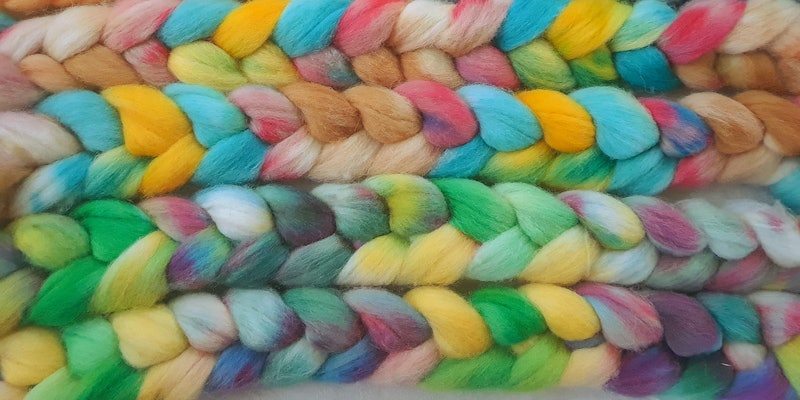
When I really want to surrender to spontaneity and playfulness, I take out my cake-decorating supplies and start dyeing yarn with food coloring.
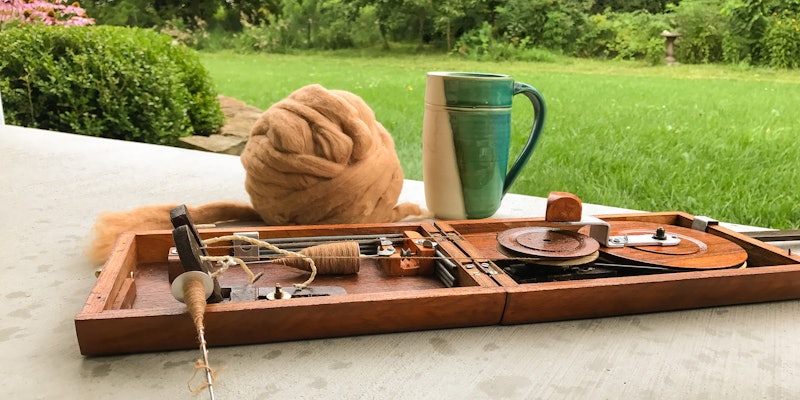
In these long, hot days of summer, I’ve carved out a morning ritual: spinning a bit of cotton while I drink my morning tea.
Season 5, Episode 3: What do algae blooms and homemade biodiesel have to do with running a yarn company? For an independent natural dyer, there may be no greater creative challenge than the local environment.
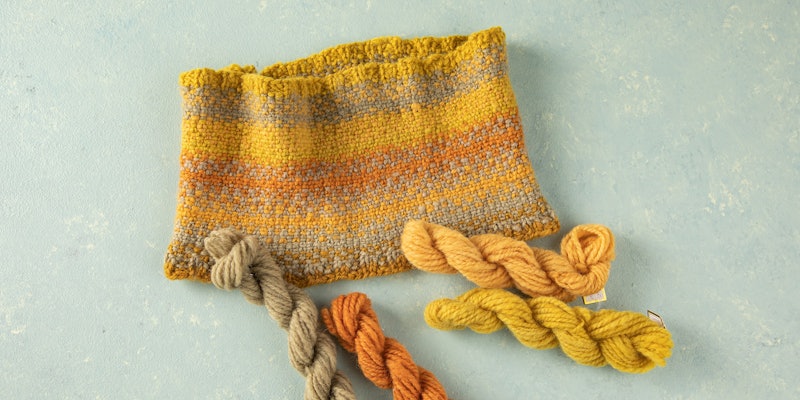
Do you have precious leftover yarns that deserve a project that lets them shine? Madeline’s dye samples inspired this great cowl pattern—a bonus for current Spin Off subscribers!
Season 5, Episode 1: Navajo-Churro sheep have a centuries-old history and an even greater meaning to the Diné, but the commercial market set a low price for their wool. A group of shepherds have come together to find strength—and value—in solidarity.
Season 4, Episode 10: A wool mill forms the link between sheep and fiber artists, transforming raw fiber into handcraft-ready yarn and roving. Working in small batches, processing fleece from small farms, a mill can still have a big impact.
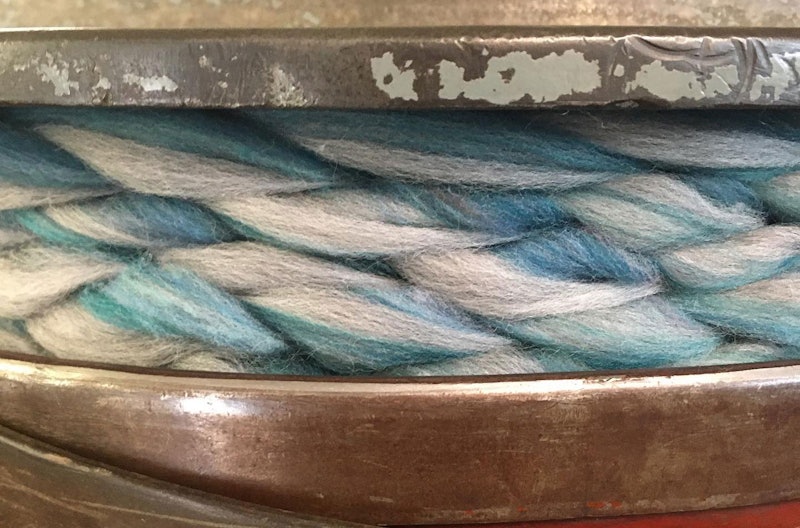
Between fiber artists craving an authentic grassroots connection and the small farms who produce heirloom-quality fiber, a small-batch mill provides the link that keeps local wool vital.
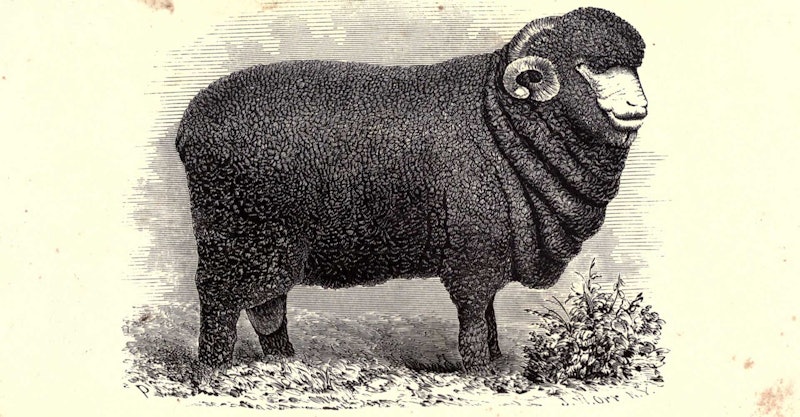
Our final installment on Merino looks at the fiber's versatility for use in fiber arts.