
Loading the latest stories…
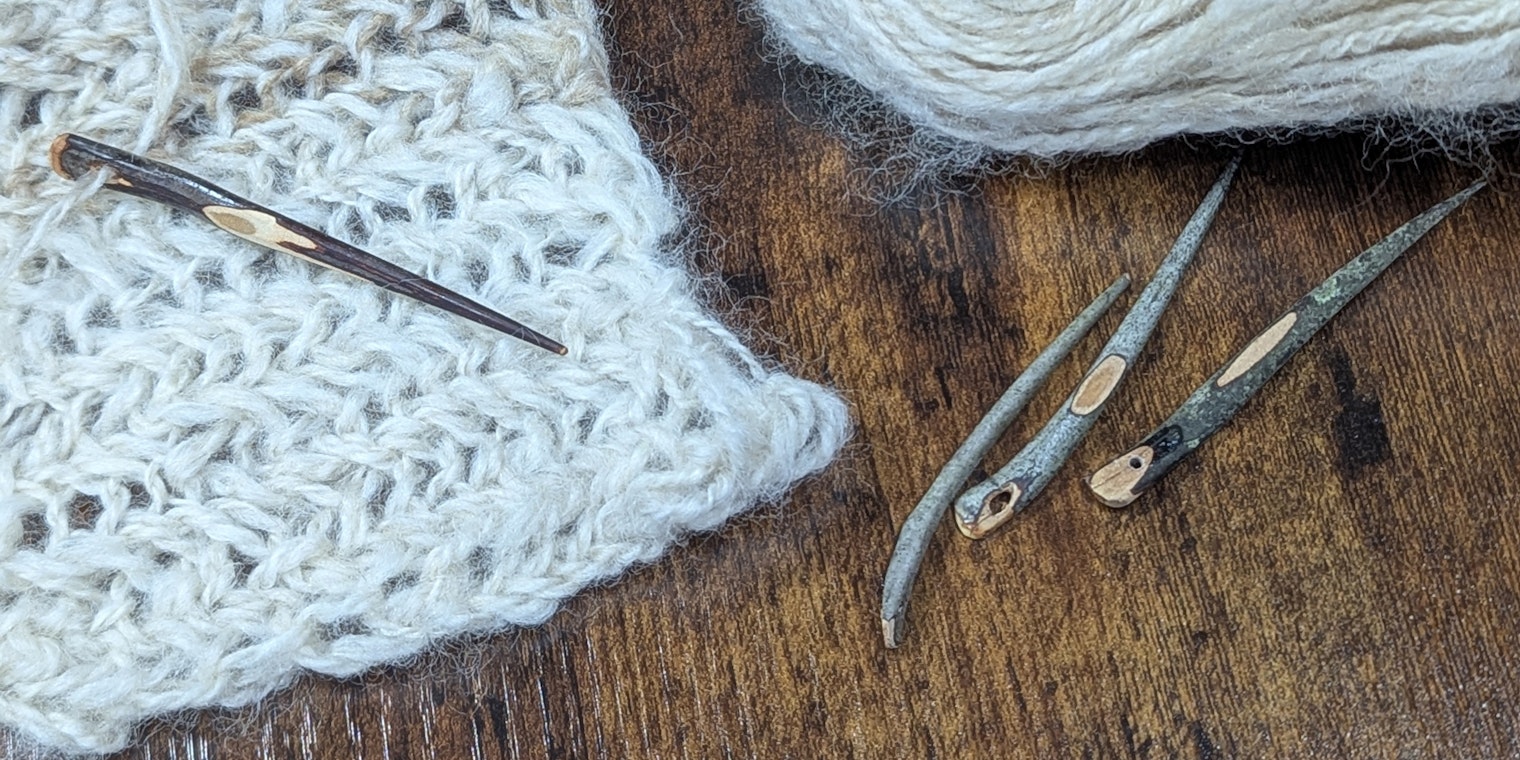
With some basic shop tools, you can turn thorns from a menacing stand of trees—or other castoff wood—into an ancient fiber tool.
Meagan Condon6 min read
When we moved to 20 acres of farmland in Kansas two years ago, I didn't expect to find myself wandering through the woods foraging for fiber arts materials, but here we are. The previous owners of the property had let the pastures go wild for more than 30 years, resulting in a forested area full of honey locust and Osage orange trees that we now call the murder grove.
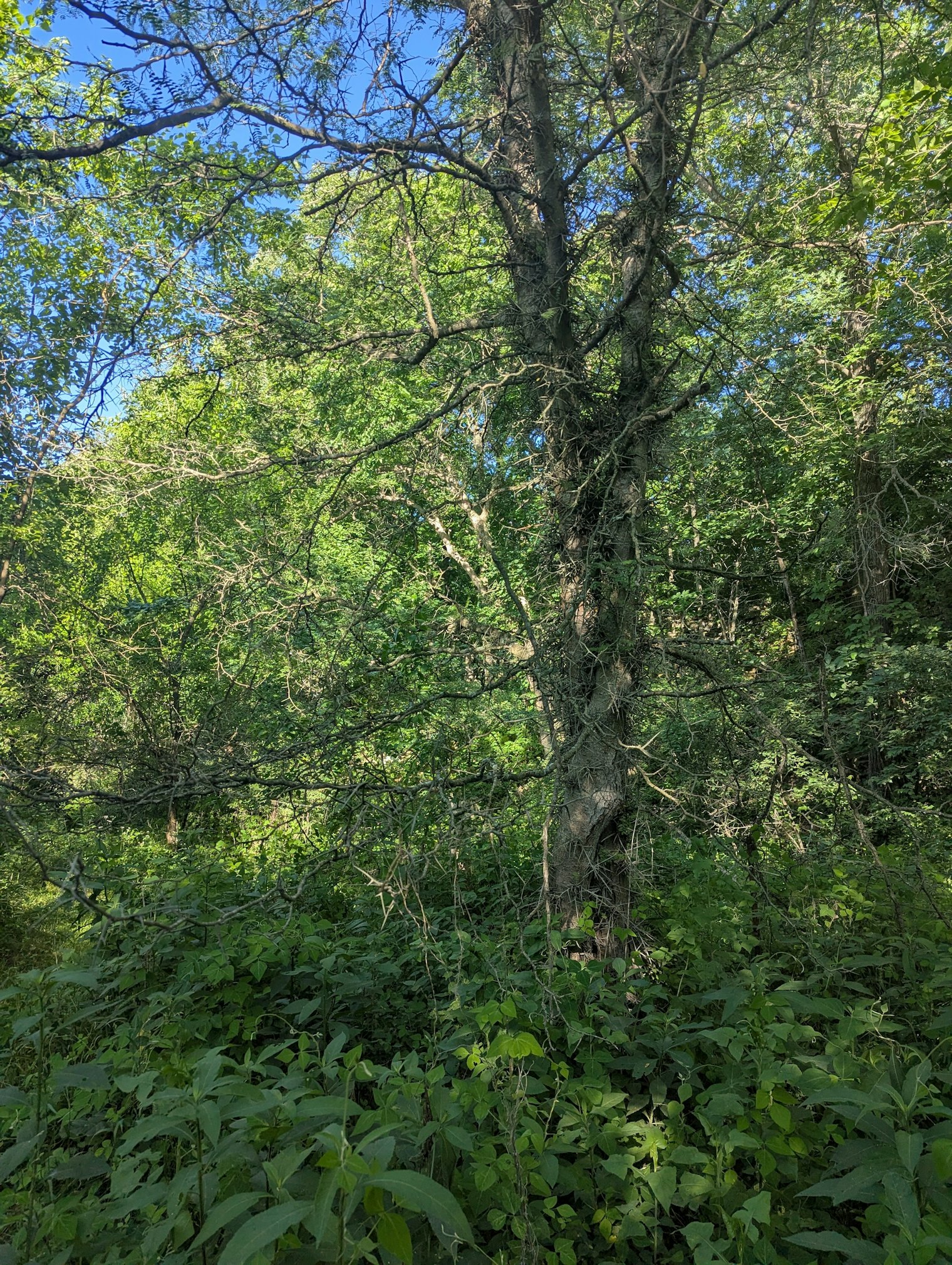
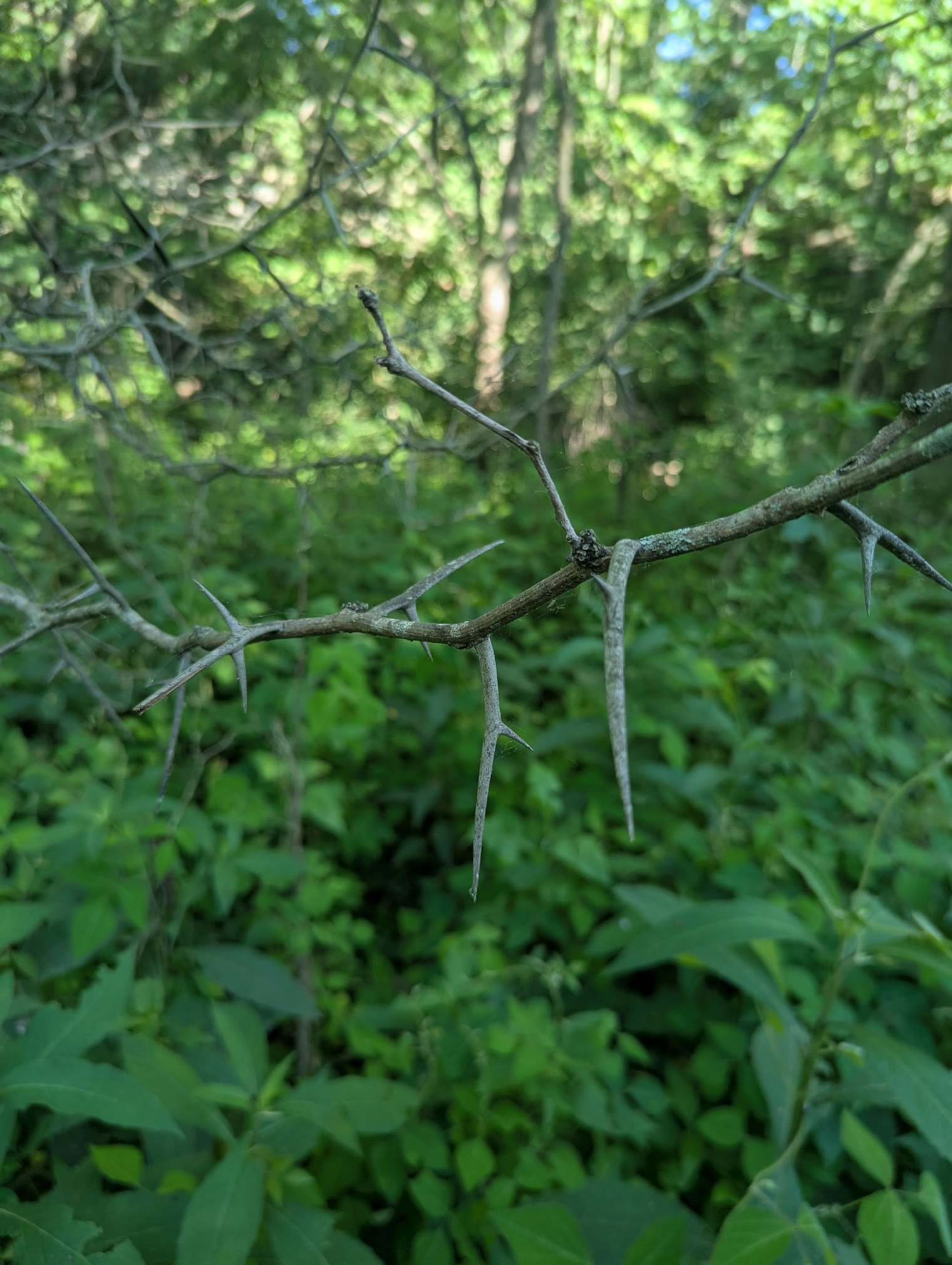
If “murder grove” sounds extreme, you aren't familiar with the honey locust. This is a cool and frankly terrifying tree that can reach 65–100 feet tall if left to grow. It has been around since at least the Pleistocene era, and possibly earlier. The first 20 feet of the trunk and branches are covered with hard thorns that can grow up to 8 inches long and are sharp enough to pierce leather. Above that 20-foot mark grow sweet fruit pods.
What could the honey locust possibly need dagger-like spikes to protect against? Mastodons. (You read that correctly.) In the Pleistocene, megafauna such as a full-grown mastodon on its hind legs could easily reach branches 10–20 feet high. The locust developed a way to protect its fruits from these massive herbivores.
While it is native where I live in the Midwest, the honey locust is still considered an unwelcome species, known to take over pastures and scrub woods. Typically, the locust is not permitted to get large enough to be a threat, unless someone lets them grow wild for 30 years in an untended pasture.
More from Spin Off
From the Library





Comments
No comments yet — be the first to share your thoughts.
Sign in to join the conversation — commenting is for signed-in members.