
Loading the latest stories…
Whether your wheel is vintage or new, the drive band eventually needs replacing. Find tips for replacing bands on antique wheels, and learn how to determine which material to use.
Heavenly Bresser4 min read
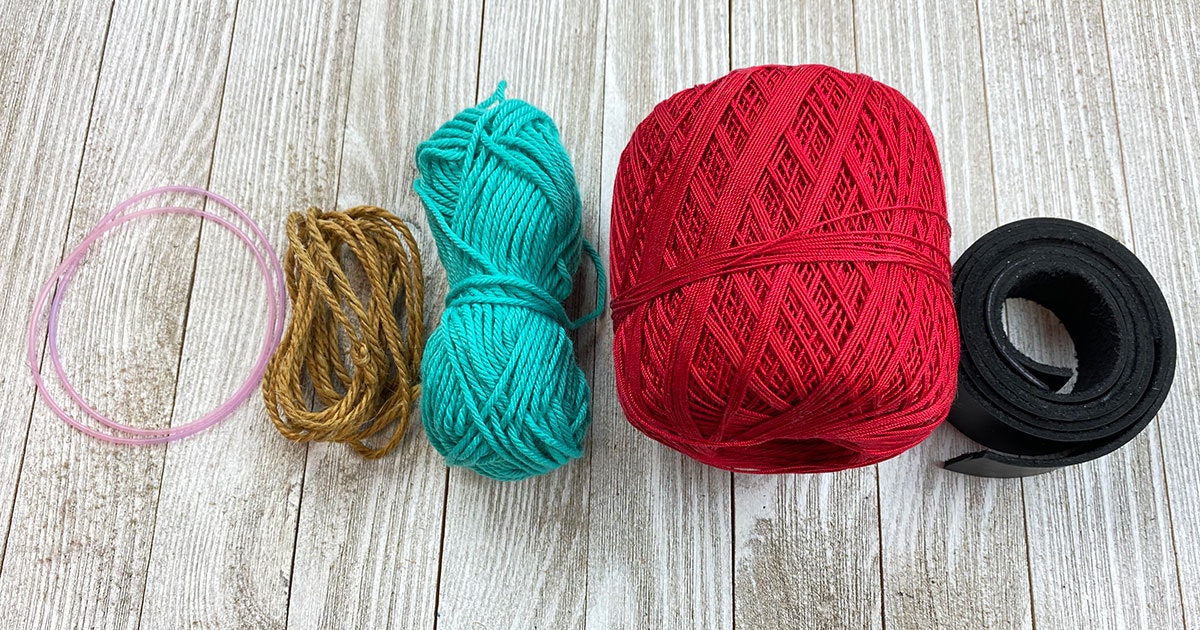
When used regularly, antique spinning wheels tend to show signs of wear and tear on the drive band. Because of the various adjustments needed for tension and take-up, it’s important to regularly check the condition of the drive band for signs of age, such as discoloration, poor fit, and breaks or fraying. The most obvious sign that a drive band needs to be replaced is a loose, overstretched band, which occurs when the material stretches due to use.
Before you decide which drive-band material to use for replacement, it is important to know which drive system the wheel relies on for its functionality. Here are three common antique wheel setups.
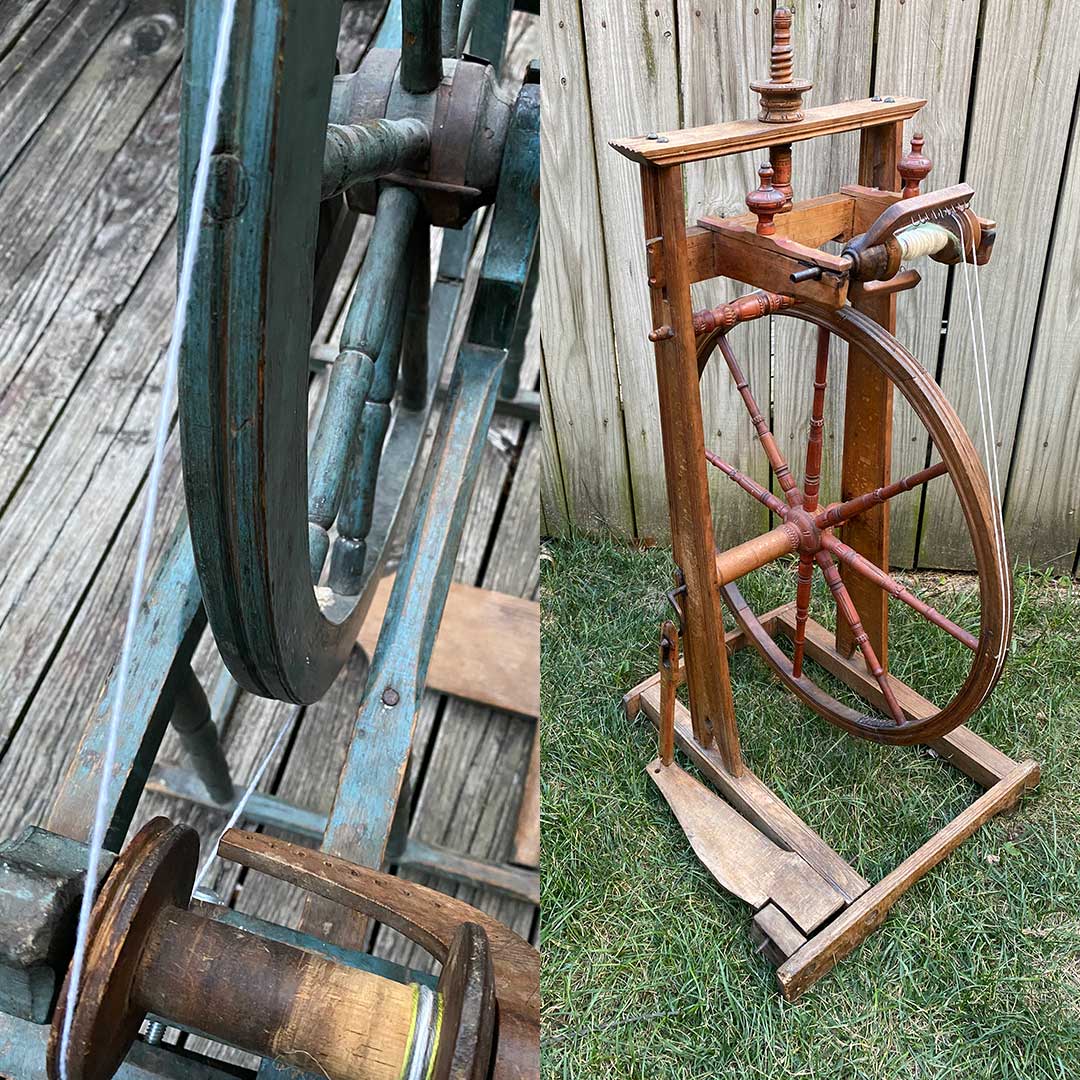
The single-drive wheel (right) uses a thicker, worsted-weight crochet yarn, which is a perfect size for the groove on the drive wheel and bobbin whorl. The double-drive wheel (left) uses a thinner cotton band.
Will one drive band fit all wheels? Not at all. There are many materials that can be used as a drive band for antique and vintage spinning wheels. When you select a band, it is important to consider the size of the grooves on the drive wheel as well as those found on the flyer, bobbin, and spindle whorls. The best candidates for an antique wheel should provide a balance of slip and grip for double-drive systems to allow for proper take-up. Antique wheels that rely on a single-drive setup should use drive bands that have enough friction, but the brake band will assist with take-up.
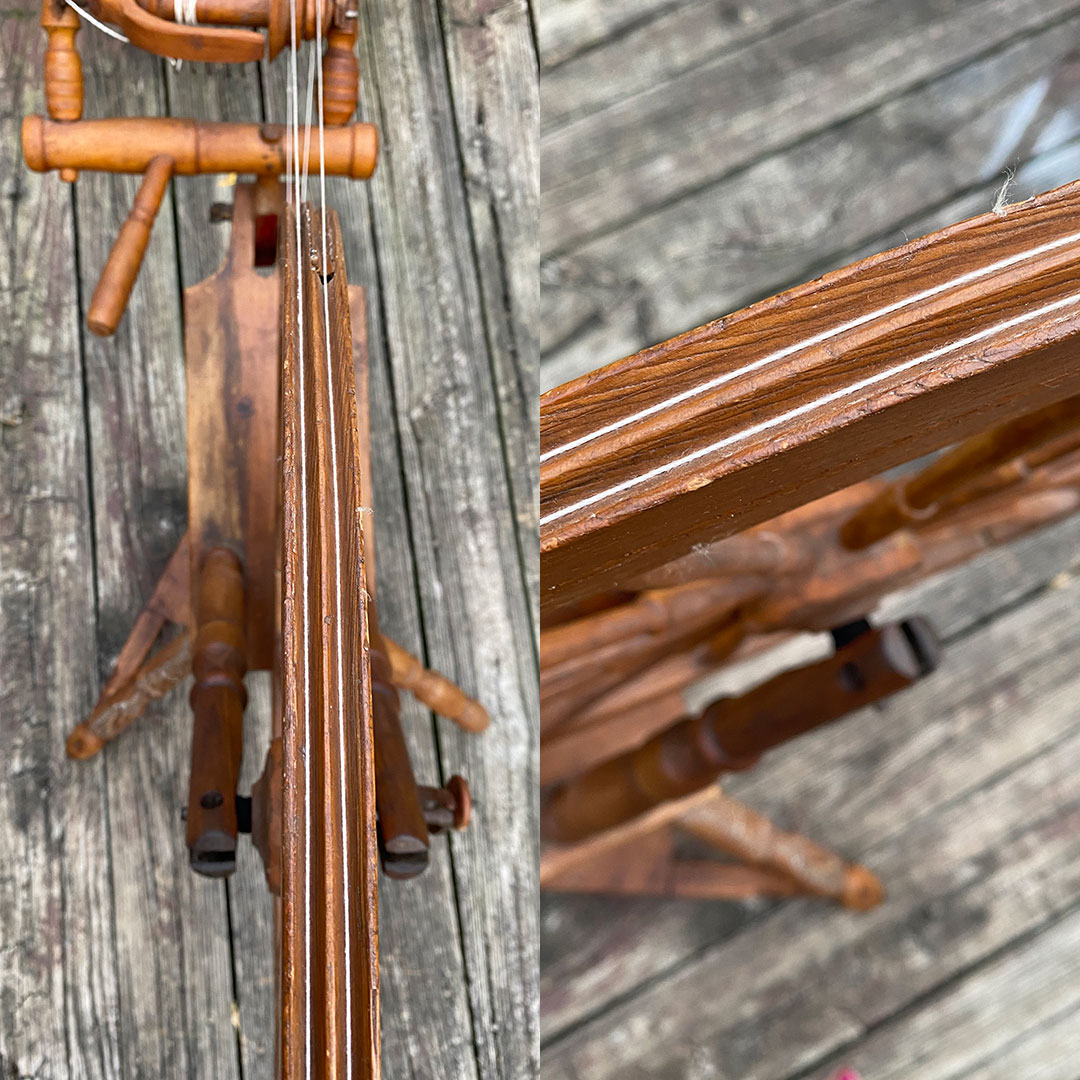
Notice how the narrow grooves on this double-drive wheel are designed for a thinner drive band.
While there are many options available, some of the choices can make the spinning experience more pleasurable. I encourage you to experiment and see what material works best on your vintage wheel. Here are the pros and cons of some drive-band materials:
When you replace a drive band on a single- or double-drive wheel, it is helpful to start by adjusting the tension knob until the mother-of-all is positioned fairly close to the drive wheel, but not too close. Doing so will guarantee your ability to adjust the tension by tightening or loosening a bit.
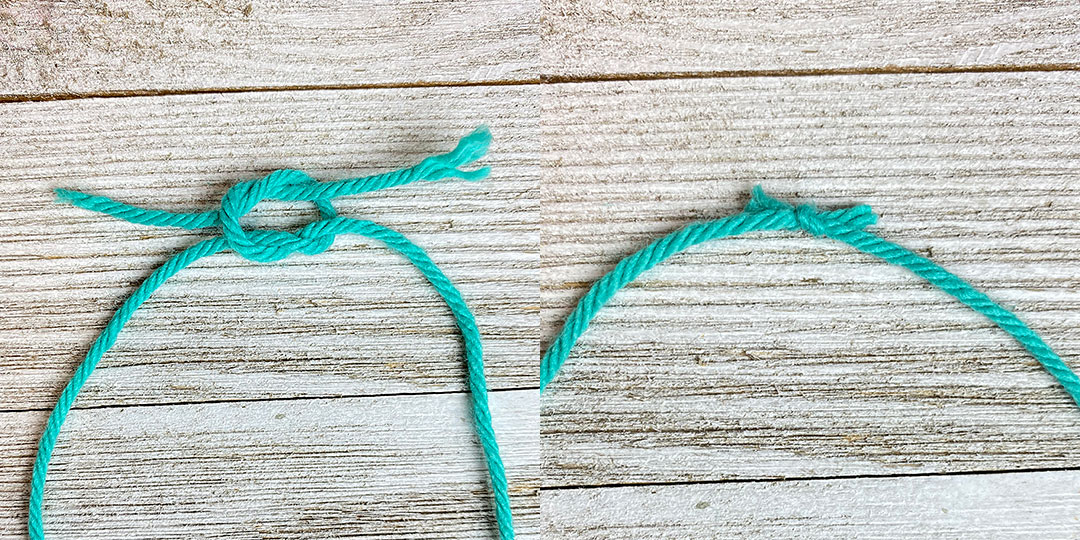
First, create a square knot (left). The square knot is tightened and secure (right). Ends can be treated with Fray Check.
Next, use the new drive-band material that suits your wheel and wrap the band around as follows:
Single Drive: Follow the path around the outside of the whorl or bobbin and the circumference of the drive wheel.
Double Drive: Follow the path around the whorl and drive wheel and then the bobbin and drive wheel again, crossing and making a figure eight.
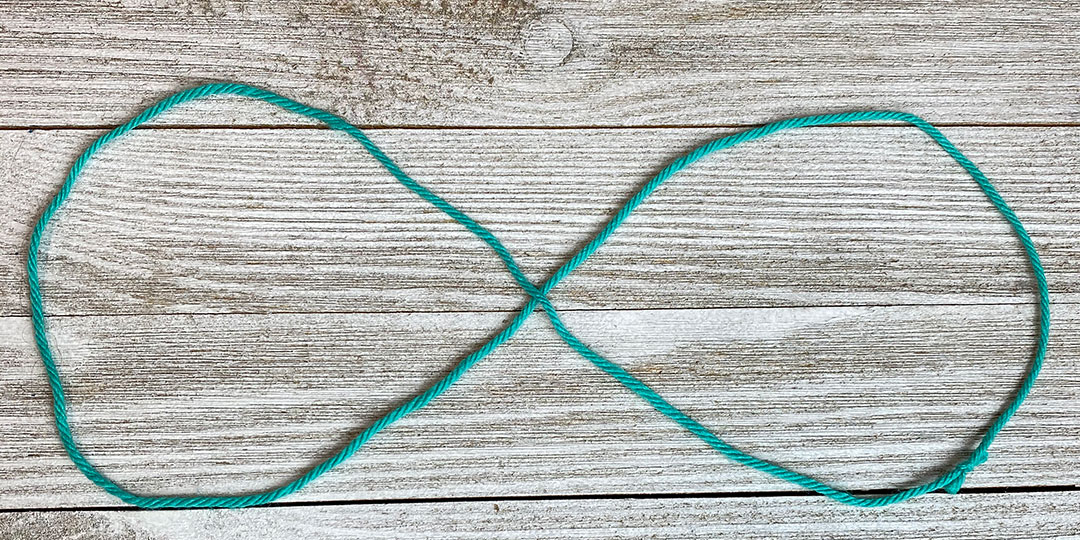
Take your new loop and give it a half-turn twist to create a figure eight. This figure eight is folded in half and installed on the wheel.
For both drive systems, join the ends of the drive band to form a loop by tying a square knot and cutting the ends, and if you’d like, use a touch of Fray Check to keep the ends tidy. Another option is to splice the ends together and sew the loop for extra security and a smoother join with fewer bumps.
When tying a new figure-eight band onto a double-drive wheel, the position of the band’s cross can impact the wheel’s performance when spinning or plying. But that is a story for another day.
Watch this short video for a tour of some of Heavenly’s restored and antique spinning wheels. And look for her new video course, Fractal Spinning, this spring!
Heavenly Bresser is the owner of Heavenly Knitchet. She is an award-winning handspinner and teacher at major fiber events all over the United States. Aside from spinning and teaching, she can be found dyeing fibers and making jewelry. Her goal is to inspire, encourage, and uplift other fiber artists. Visit her online at www.heavenlyknitchet.com.
Originally published September 14, 2020; updated February 17, 2023.
More from Spin Off
From the Library


Comments
No comments yet — be the first to share your thoughts.
Sign in to join the conversation — commenting is for signed-in members.