
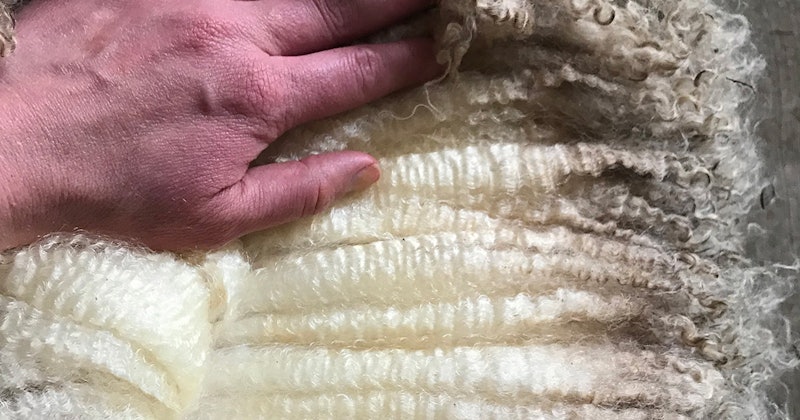
Spinning Strong Wools
From Cotswold to Karakul, fleeces on the coarse end of the wool-grading scale tend to grow in bold curls or waves. This character allows us to spin a wide range of useful yarns.
Category
From Cotswold to Karakul, fleeces on the coarse end of the wool-grading scale tend to grow in bold curls or waves. This character allows us to spin a wide range of useful yarns.
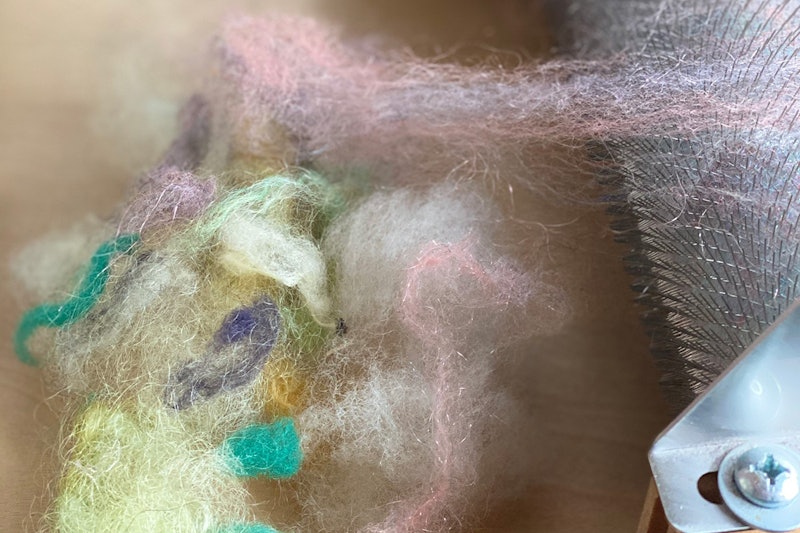
Spinners accumulate a lot of fiber—not stash, but bits of surplus fiber from processing. Here are Heavenly’s tool-free tips for turning your leftovers into textured yarn.
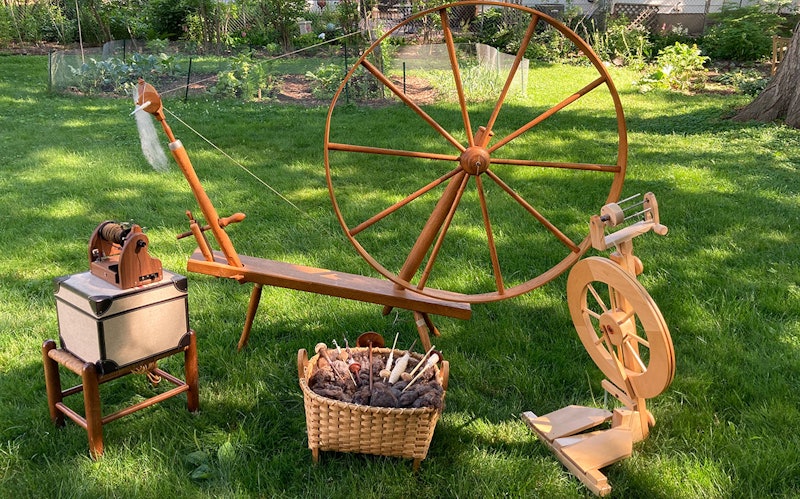
Spinners know that having the right tool for the job is a must. Can you ever have too many wheels? No way! One handspinner shares their thoughts on their growing collection.
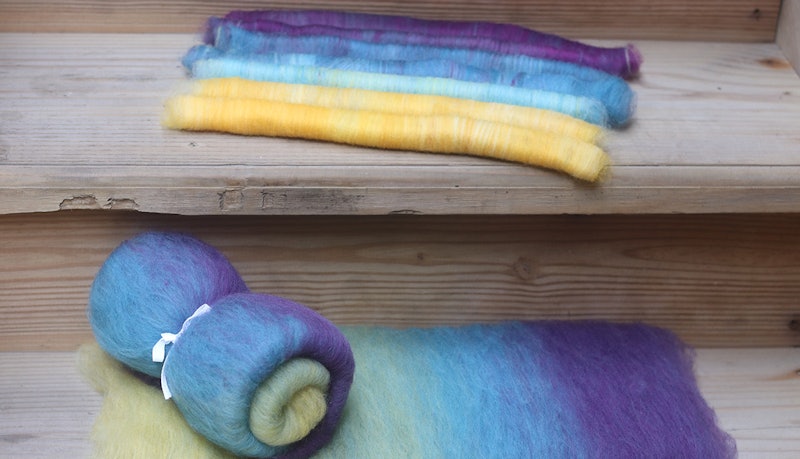
Take control of your fiber’s colors. Deconstructing braids gives handspinners the option to make certain colors more dominant, change the order of the hues, make new shades, or even tone down certain colors.
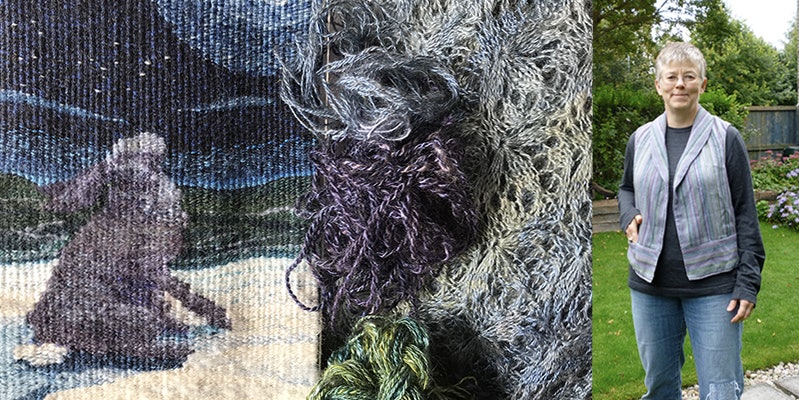
How one handspinner takes inspiration from a Japanese textile tradition and uses every precious bit of leftover yarn from her knitting projects to craft beautiful woven projects.
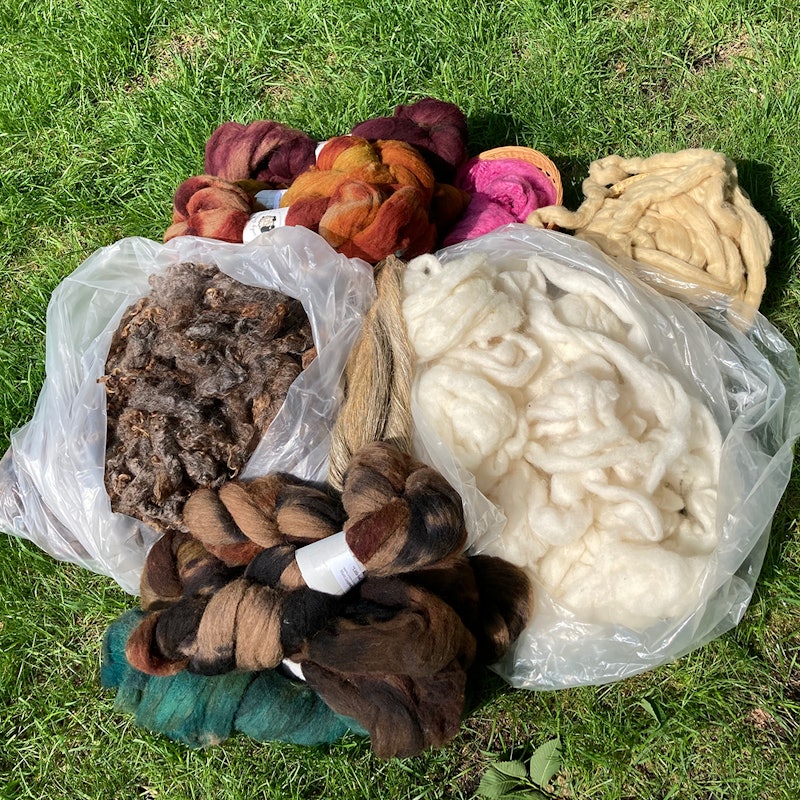
I often hear people talking, half proudly and half guiltily, about their stashes of spinning fiber, but I celebrate my stash. To borrow a phrase from a global phenomenon, my stash sparks joy!
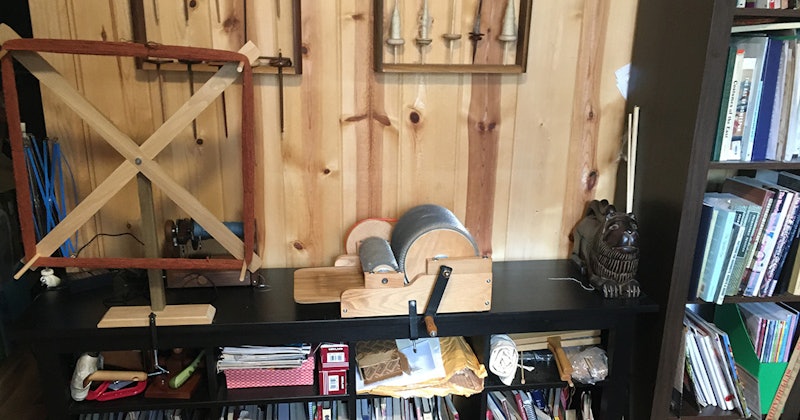
Devin offers tips for making space for spinning to suit any living situation, from a single spindle and a few ounces of fiber in a basket to a room filled with tools, a wheel, and fiber.
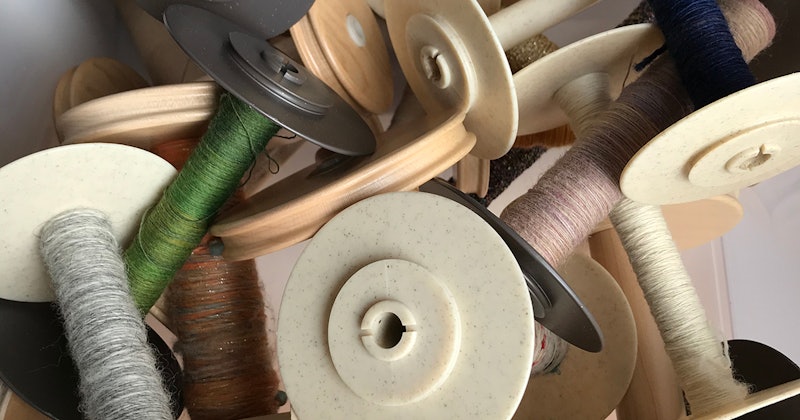
For the handspinner, spring cleaning means rediscovering, or finding, all of your misplaced bobbins, spindles, and fiber tools, and it can help jumpstart the organization process, too.
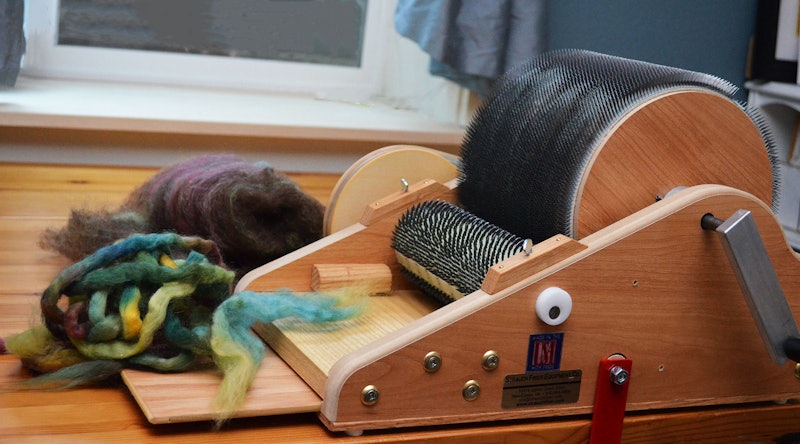
Fiber prep always looked to me like cooking: I like the results, and I’m glad someone else wants to do it, but I'd rather enjoy the results than get in the kitchen. So why did I clear my desk, clamp down a drumcarder, and look for bits of fiber to feed it?
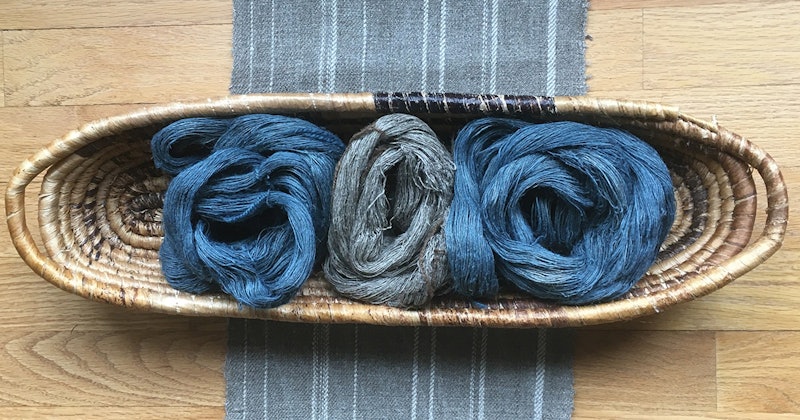
Sizing your singles yarn will not make a weak yarn stronger, but it will prevent some of the fuzzing due to abrasion, which is inevitable in all yarns as they are being woven.
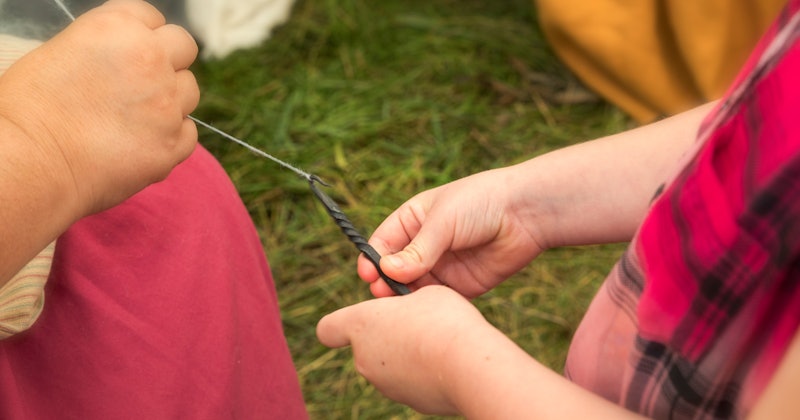
When we demonstrate handspinning, it’s not always feasible to let children try our wheels or spindles. So, how do we teach children about spinning?
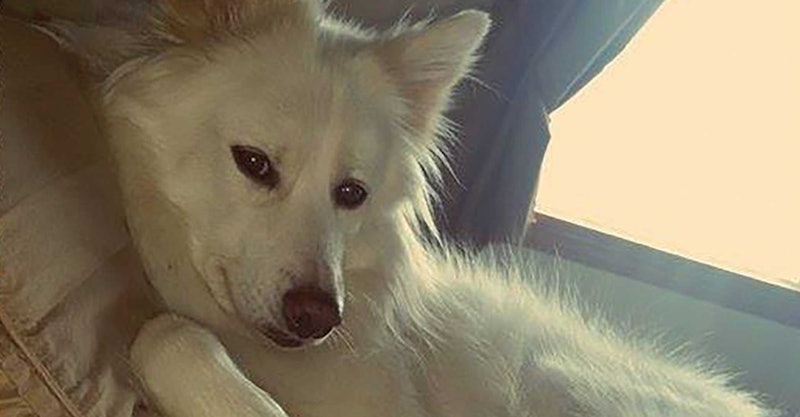
The dog hair doesn’t have the same sort of gripping scales on the shaft as wool, and it is slicker than cotton, so it was like learning to spin all over again!