
Loading the latest stories…
While speed is relative in the world of fiber prep, blending boards and drumcarders will do their jobs more quickly than handcards or combs.
Deb Gerish5 min read
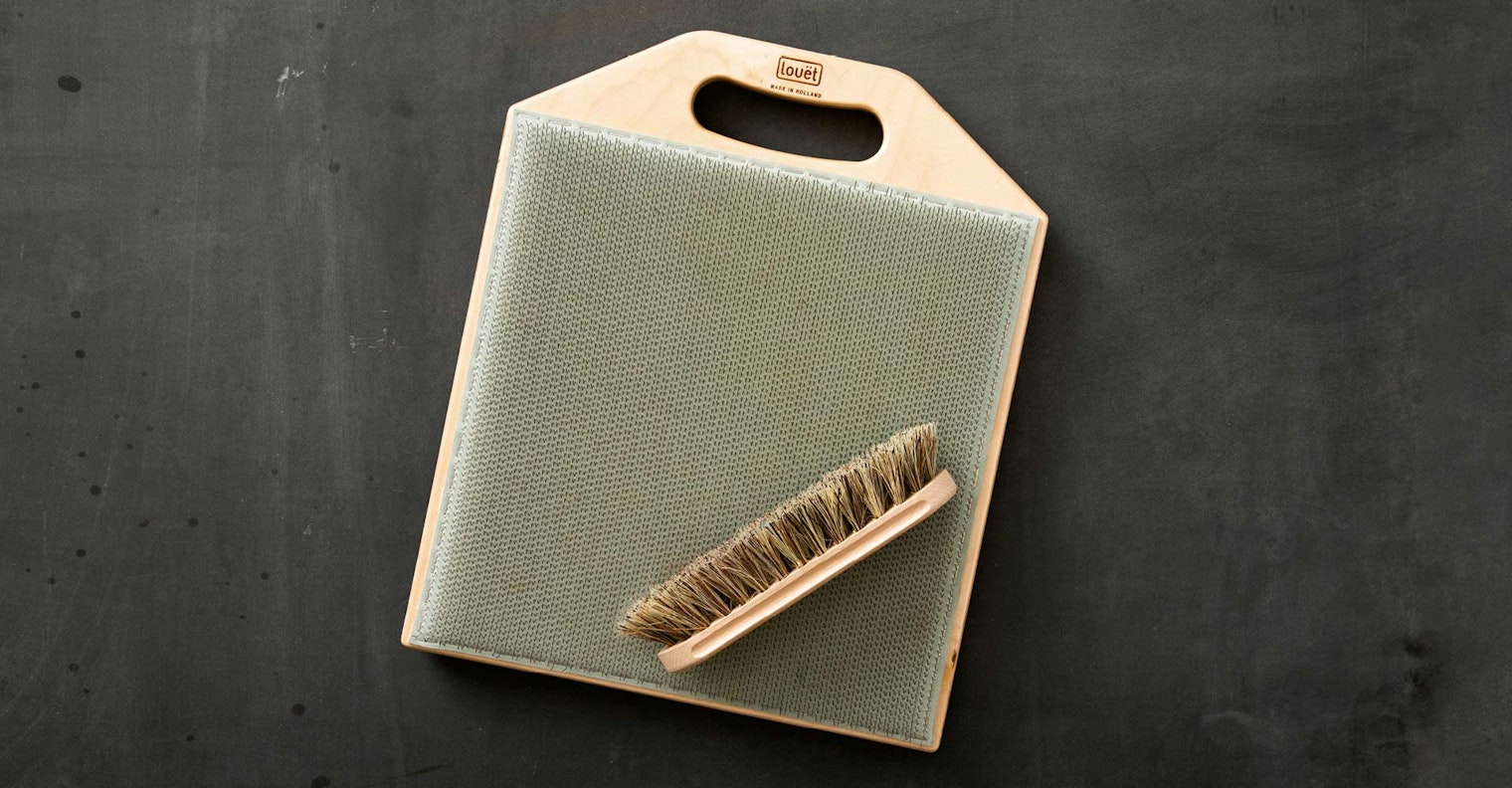
If you want total control over the fiber content, colors, and textures of your spinning fiber, you have to prep your own. For that, you’ll need specialty fiber tools. If you also want speed, convenience, and repeatability—maybe you buy entire fleeces, sell batts or rolags as a business, or own some fiber critters—you’ll need bigger tools that can handle large quantities.
While speed is relative in the world of fiber prep, blending boards and drumcarders will do their jobs more quickly than handcards or combs. I processed my first small fleece with a dog brush, and that experience made me long for a drumcarder. Are you ready to scale up or expand your blending options by adding a drumcarder or blending board to your tool kit? Here are a few questions to get you started.
No, according to Crys Wallace of Wonderland Fiber and the helpful staff of The Woolery. Drumcarders open up fibers, allowing vegetable matter to drop out; they make batts that combine fibers throughout all layers. Carding cloth on a drumcarder typically has sharp teeth set close together.
Blending boards require fibers that have already been opened up; they make rolags with separate layers of fibers. Many blending boards use a special cloth from Howard Brush, which features longer teeth set in a more open pattern and carefully bent in a way that protects the blender’s hands. Blending-board cloth can usually handle big add-ins, such as feathers or scraps of fabric.
Blending boards are quite simple, and there are DIY plans and tutorials on the internet. It’s the wood, styling, and cloth specs that make them stand out. There’s more to carding cloth than teeth per inch (TPI), and some makers use cloth that has been manufactured specifically for blending boards.
Howard Brush Company also sells a DIY kit that includes a blending cloth and other accessories. If you’re a woodworker or know someone who can make the wood backing and keel, you can make your own. However, most blending boards cost less than $250; you may find that the convenience of getting one designed and ready-made by experts outweighs the time and effort necessary to locate materials and make the board.
Drumcarders are more complex to make and require more materials. Again, you can find plans and tutorials on the internet, but once you price carding cloth, you’ll realize that making a drumcarder may not save much money. In addition, you’ll have to make cylindrical wooden drums and then position them carefully for the process to work. There are excellent carders on the market, made by companies that have worked out all the kinks, have developed some cool features (brush attachments and interchangeable drums, for instance), and stand behind their products.
Safety first! The cloth on boards and carders has sharp points that can easily pierce fingers and paws, so find a secure location to store your blending board or drumcarder. I made a cloth cover for mine out of upholstery fabric and bought a set of finger protectors.
Also think about safety while you’re using the equipment. Get a dowel or a batt picker (you might also see this tool called a doffer) to remove the batt for your drumcarder. Never allow youngsters to use a drumcarder or a blending board without adult supervision.
Download the Blending Tool Roundup Shopping Guide:
Blending Tool Roundup Shopping Guide
Deborah Gerish has been spinning since 1996. She’s edited knitting magazines including Love of Knitting and Knitting Traditions. She currently works at Schacht Spindle Company.
More from Spin Off
From the Library




Comments
No comments yet — be the first to share your thoughts.
Sign in to join the conversation — commenting is for signed-in members.