
Loading the latest stories…
SUBcotton
Stephany Wilkes4 min read
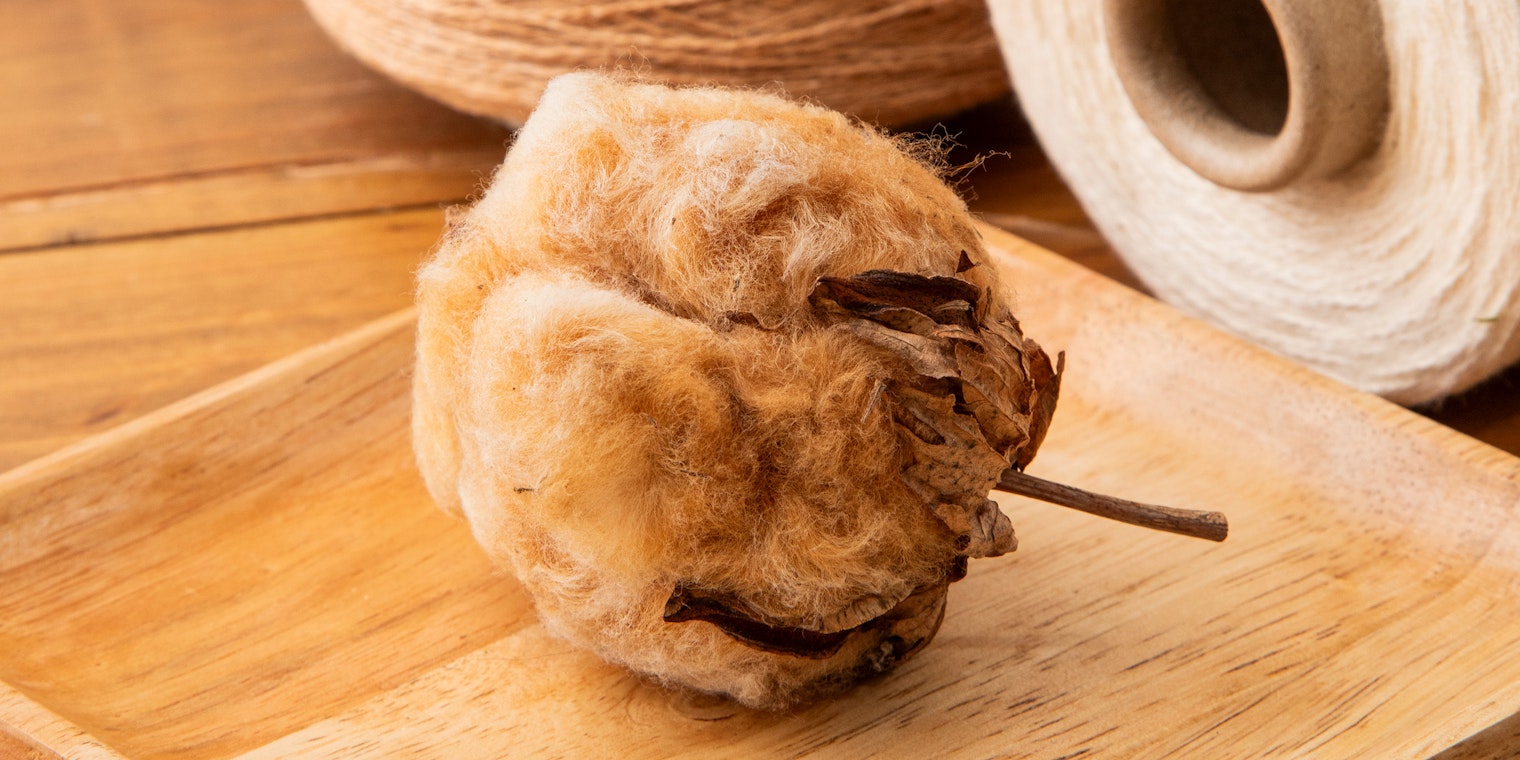
Textile labels describing an item as “organic cotton” attempt to do a few different things: describe the way something was made, help create markets for organic materials, and provide consumer assurance. But what does “organic cotton” actually mean?
At their most basic, organic certifications address either agricultural or manufacturing practices. This means that, broadly speaking, “organic” has pre- and postharvest meanings. “Organically grown cotton” and “organic cotton” are actually two very different things.
For example, the oft-seen GOTS (Global Organic Textile Standard) label means that an item is made of at least 70% certified organic natural fiber, and the fiber itself is certified to its relevant, government-controlled organic standard. The European Union, China, and the United States each have their own organic standards. There are differences not only within each set of standards, but also in how the standards are enforced, associated labor practices, and more (see note 1).
Many people handle and monitor cotton fibers as they travel from the field to our knitting needles. The major players in all of this are producers (farmers and manufacturers), organizations that create the certification standards (governments and private organizations), and inspectors (the people on the ground who examine cotton fields or factories for certification).
More from Spin Off
From the Library





Comments
No comments yet — be the first to share your thoughts.
Sign in to join the conversation — commenting is for signed-in members.