
Loading the latest stories…
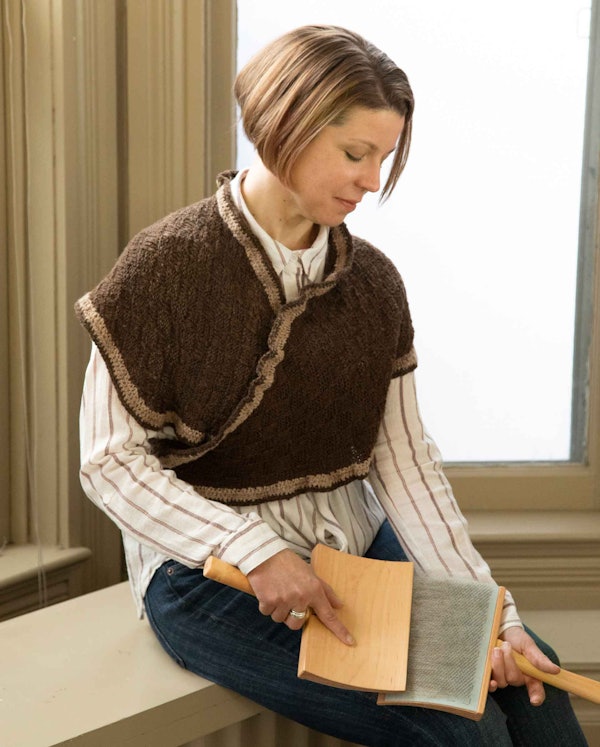
Whether you prefer smooth and subtle or funky and chunky blends, the blending board can produce a variety of fiber preparations. Here’s Deborah Held with more.
Deborah Held2 min read
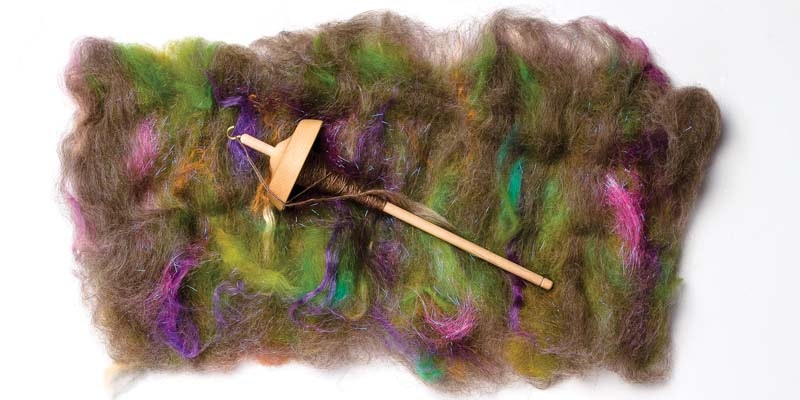
Blending boards seemed to explode on the spinning scene about four years ago, but spinners have been using them for decades. The blending board allows you to card rolags, punis, batts, and even roving. Whether you prefer smooth and subtle or funky and chunky blends, the blending board can produce a variety of fiber preparations. Here’s Deborah Held with more.
Of course, every fiber artist has his or her own method for making batts that are not only beautiful on the outside but are easy to spin all the way through (and won’t leave bits of sparkle all over their customers’ living room floors). In general, our experts agree that:
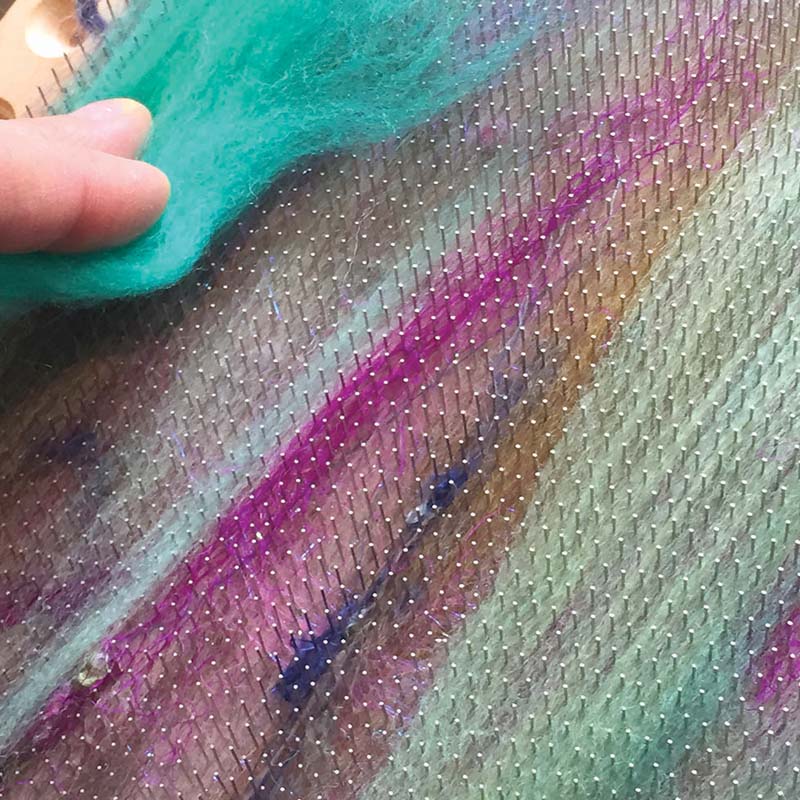 Figure 1: The first layer makes the first impression. Photo by Deborah Held\
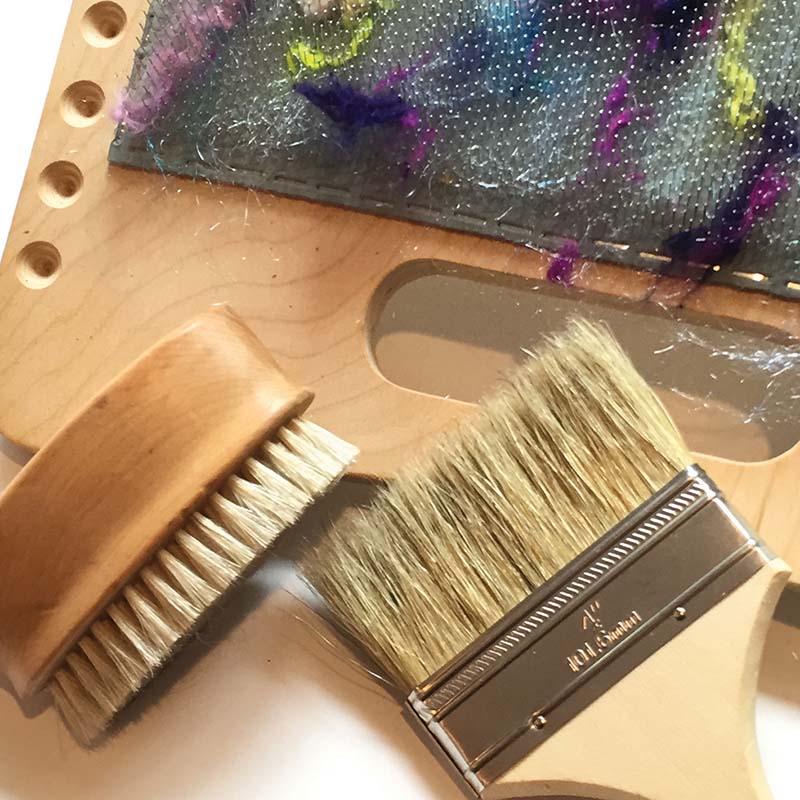
 Figure 3: Burnish that board! Photo by Deborah Held
Always use the very best of materials, especially your wools. While fiber from any of your favorite short-to-medium-stapled breeds will likely do, a low micron count (no higher than 20) will ensure a soft, lofty batt for spinning. Blend in luxury fibers such as yak or camel, or even alpaca, for added lushness.
Excerpted from “Blending Board Tips” by Deborah Held, Spin Off Spring 2016.
Featured Image: Photo by Joe Coca.
Deborah Held is an Atlanta-based freelance writer who spins and knits (okay, mostly spins). Debbie lives with Iggy, her needy Italian greyhound. Find her online at www.debbieheld.com.
More from Spin Off
From the Library


Comments
No comments yet — be the first to share your thoughts.
Sign in to join the conversation — commenting is for signed-in members.