
Loading the latest stories…
2 min read
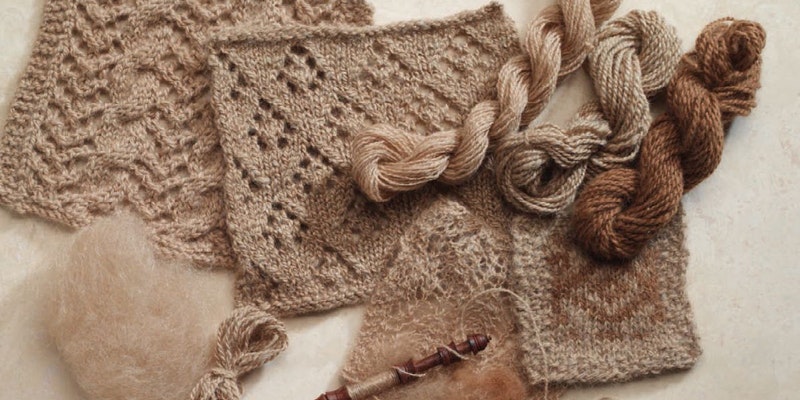
I can never get enough color. Often, I'm enticed by other people's color combinations. I'll go into a fiber festival with a firm resolve to not add to my stash, and come out with a bulging bag of goodies that were just too beautiful to resist. Sometimes, I'm compelled to create my own color. While getting everything set up to dye can sometimes seem daunting, when I actually do it, it is as simple as preparing a meal. I'm careful, however, to make sure that my dyeing equipment is separate from my cooking equipment and that I've set up an area for dyeing that is well-ventilated and safe (for me, my children, and my pets). I'm also careful about the dye powders--a dust mask, rubber gloves, and an apron are essential for any dye project.
Summer is a great time of year to set up a dye pot on the back porch and see what colors you can get on your yarn and fiber, so enjoy this excerpt from the Complete Guide to Natural Dyeing: Techniques and Recipes for Dyeing Fabrics, Yarns, and Fibers at Home by Eva Lambert & Tracy Kendall.
_Turmeric
_
Ingredients
Method
 Step 1: Place the tumeric in the saucepan.
 Step 4: Wet the fabric and add it to the dyebath.
 Step 6: Check the color.
 Step 8: Rinse your fabric well in warm water.
Dyeing Evenly: Make sure you spread out your fabric in the dyepot. All of the fabric must be under the water at all times. If any fabric is above the water, which can often happen when the fabric gets air bubbles, this out-of-water section will not be dyeing at the same rate as the rest, which means that you are more likely to end up with a patchily dyed fabric.
Happy spinning,

More from Spin Off
From the Library
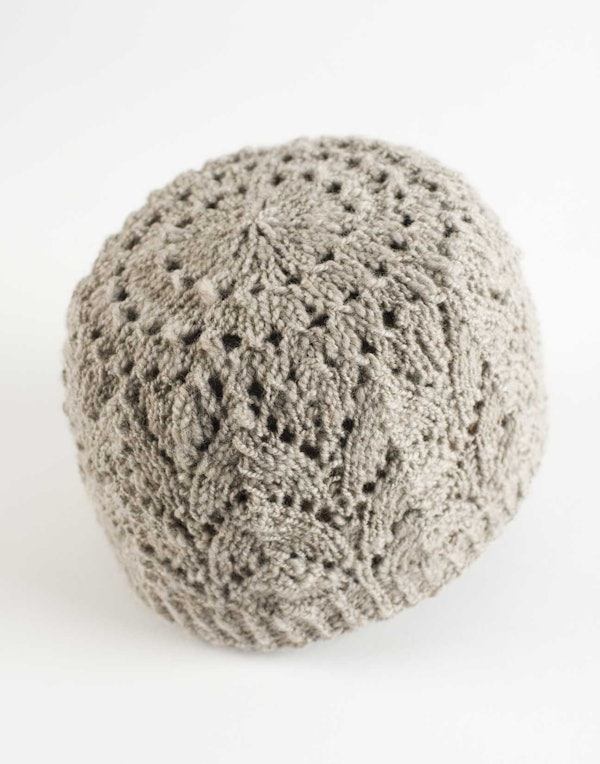




 You may already have turmeric in your spice cabinet. It can be used as a dye alone or with a mordant such as alum to create a bright yellow color on your yarn and fiber.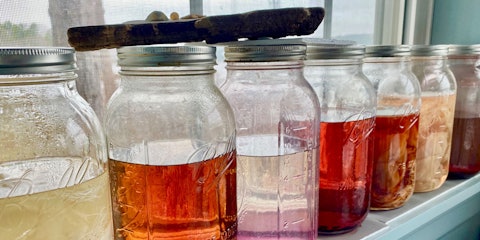


Comments
No comments yet — be the first to share your thoughts.
Sign in to join the conversation — commenting is for signed-in members.