Loading the latest stories…
AATOC
There are plenty of rules when it comes to knitting cables, and most of them can be broken—except two.
Pamela K. Schultz6 min read
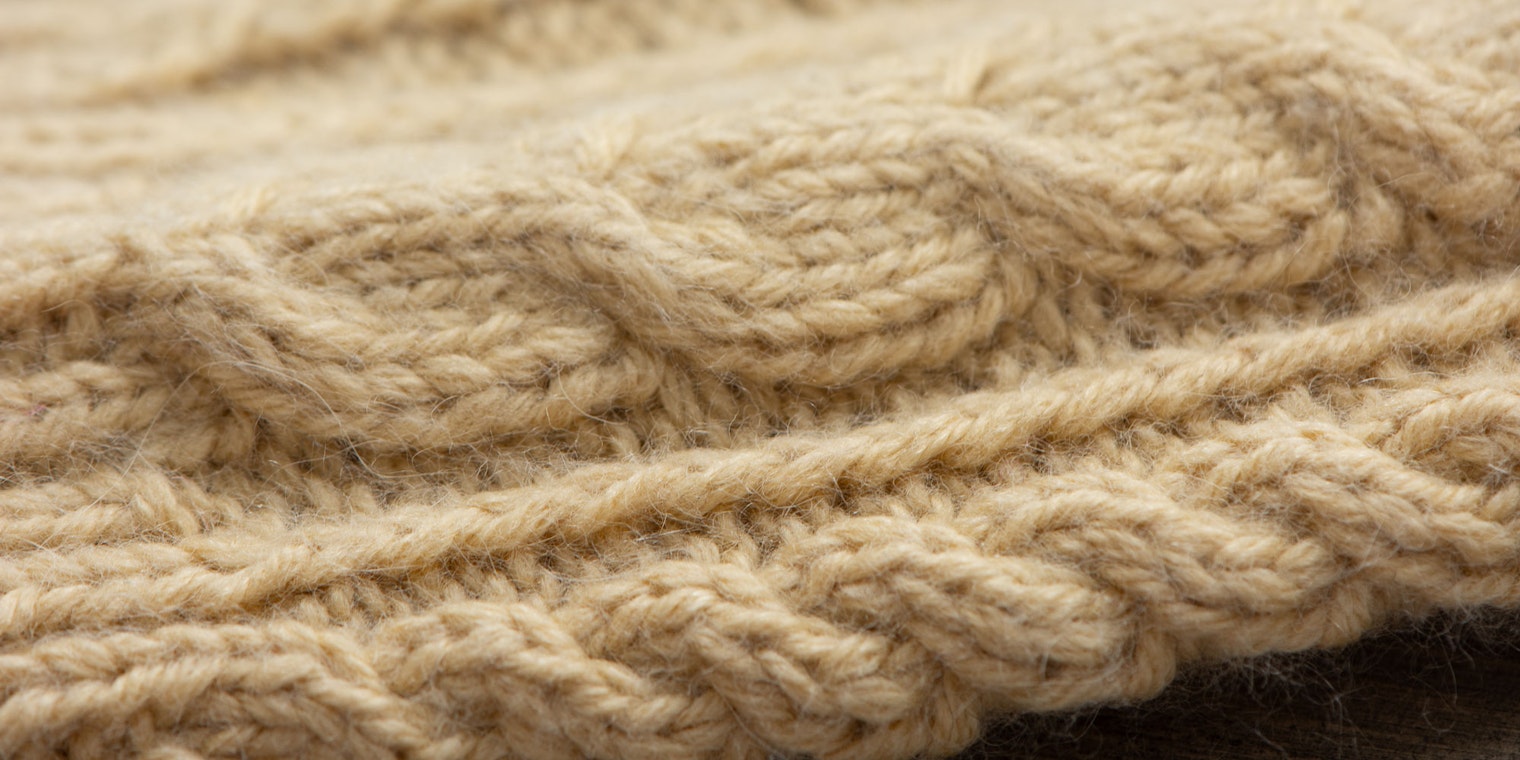
There’s nothing quite like the squishy, cozy feel of a cabled knit. With lots of texture forming intricate patterns across the surface of a garment, cables are also visually stunning.
That textured surface is heavily influenced by the type of yarn used. As spinners, we have the opportunity to experiment and fine-tune our yarns for exactly the results we want. In this skill guide, we’ll look at how different factors in yarn construction might impact your cabled fabric, plus explore ideas for exploring fun alternatives that go beyond tradition.
We’ll start with the number of plies and discuss fiber choices, then dive deeper to learn:
Although there’s no yarn police to stop you from knitting cables with whatever yarn you please, it’s long been accepted among handspinners that a smooth 3-ply wool yarn is best. But why?
It all comes down to a combination of factors, mainly how the yarn structure interacts with the knitted structure of cables, and just how many singles you’ll have to spin to start getting the best effect. Let’s dig deeper.
More from Spin Off




Comments
No comments yet — be the first to share your thoughts.
Sign in to join the conversation — commenting is for signed-in members.