
Loading the latest stories…
In the Gulf Coast region of the southern United States lives a scrappy sheep with a history older than the oaks and pines that shade their pastures. Discover what makes this breed special.
Aleatha Shannon4 min read
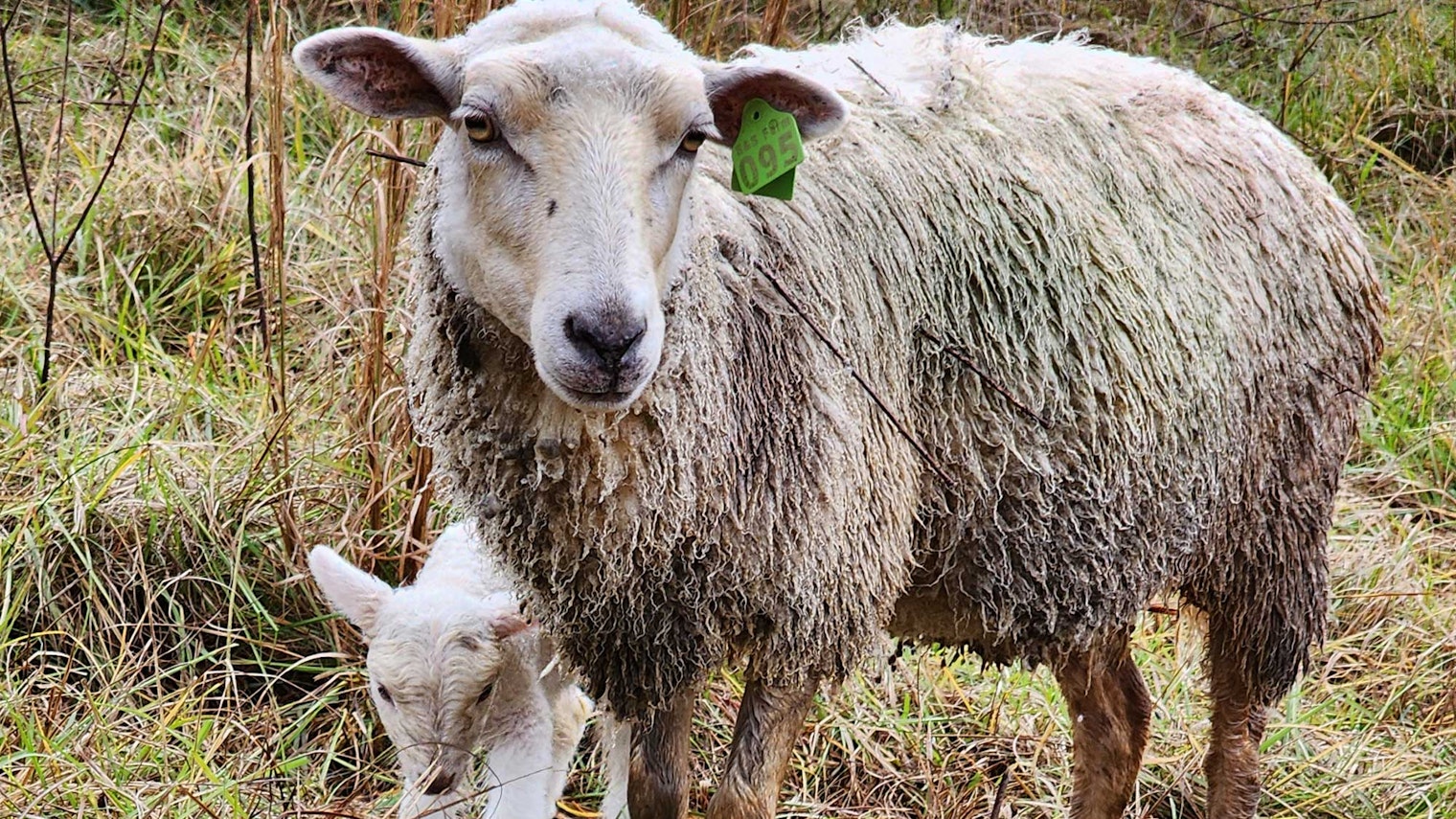
The Gulf Coast sheep, or Gulf Coast Native sheep, is one of North America's oldest landrace sheep breeds, shaped by centuries of survival in harsh conditions. Like many landrace breeds, Gulf Coast sheep produce many colors of wool. But there's so much more to explore about this breed!
 Three colors of Gulf Coast wool. Photo by Aleatha Shannon
In the 1500s, the Spanish brought sheep to the Gulf Coast for meat, milk, and wool. Left to roam, only the toughest survived the region’s relentless summers. The result is a breed naturally resistant to foot rot and parasites, and hardy enough to raise lambs without help. Gulf Coast sheep lack wool on their faces, bellies, and legs—an adaptation that helps them cope with heat and humidity. For centuries, they were the primary sheep of the Southeast, raised mostly for home use on small farms. Although this breed developed in the southeast US, flocks of Gulf Coast Sheep have thrived in environments as different from the southeast US as Wyoming, Maine, and Michigan. But in the 20th century, as anti-parasite medications became common, many shepherds replaced them with larger meat breeds.
Today, Gulf Coast sheep are on the Livestock Conservancy’s conservation priority list. Their hardy genetics could prove vital in the future. As parasite resistance becomes more critical in a world facing increasing drug resistance, this humble breed may hold solutions for farmers everywhere.
A note on the name: “Gulf Coast Sheep” is the official name used by the Gulf Coast Sheep Breeders Association. Gulf Coast Native (GCN) is the traditional name and is used to distinguish some of the historical, closed-line flocks from the modern, mixed-line flocks. Many of the raw GCN fleeces I’ve purcahsed are from Allie Reeves, whose registered flock is from an old Louisiana line called the “Perkins” line. There are also other names used such as “Louisiana Native” and “Alabama Native.”
More from Spin Off
From the Library


Comments
No comments yet — be the first to share your thoughts.
Sign in to join the conversation — commenting is for signed-in members.