
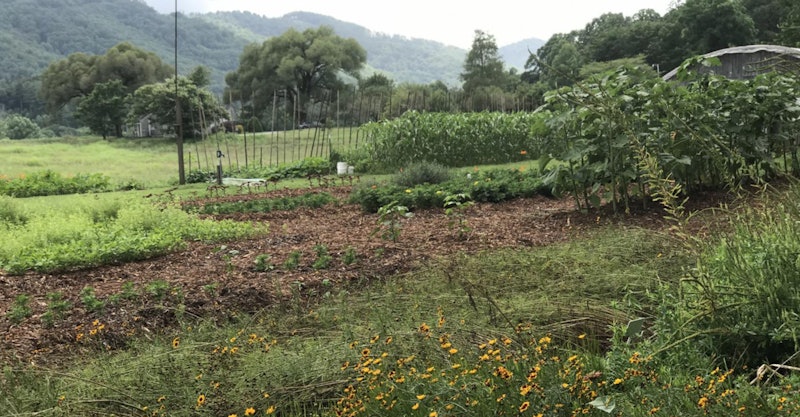
The Heart of the Dyer Is Eager: The John C. Campbell Folk School Dye Garden
The John C. Campbell Folk School is putting down new roots!
Category
The John C. Campbell Folk School is putting down new roots!
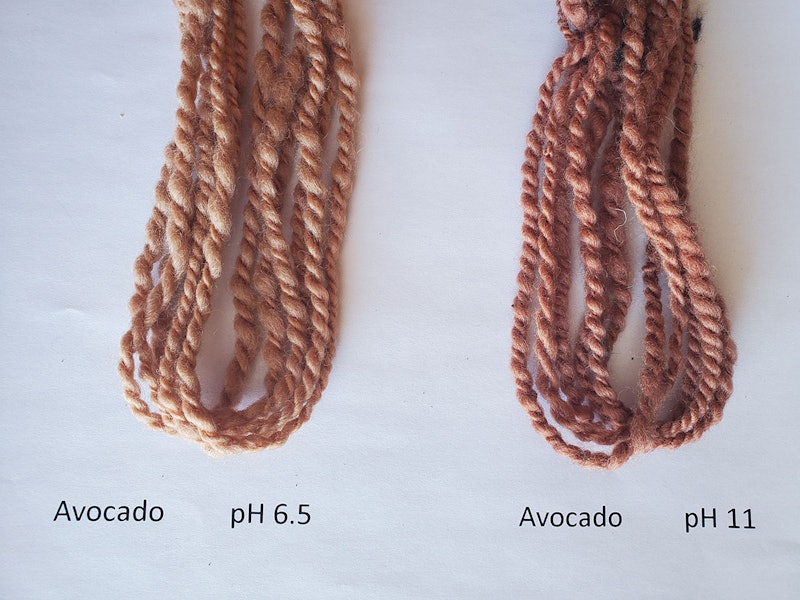
Learn how kitchen scraps and yard waste yield a rainbow of hues.
Charllotte Kwon's company, Maiwa, partners with Indian artisans to expand the reach of traditional textiles. Along the way, the company has developed in-person learning, shopping, web resources, a fair-trade partnership, and more.
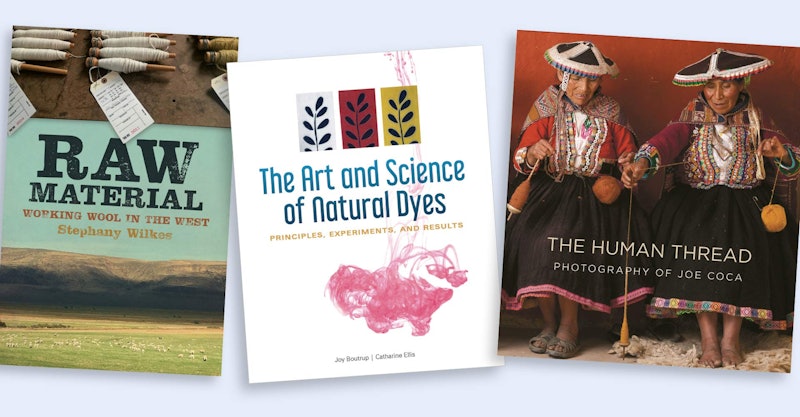
Discover new books on sheep shearing, natural dyes, and textile photography.
Mushrooms, leaves, insects, roots, and wood are just waiting to give you a rainbow of dyes if you know the magic recipes to coax them out.
If you love hand-dyed yarn and fiber, you will love Dagmar Klos’ Natural Dyeing, now available in a streaming workshop format.
Spin Off contributor Brian McCarthy learned to spin shortly after his retirement. Soon he became fascinated with natural dyeing and Navajo plying.
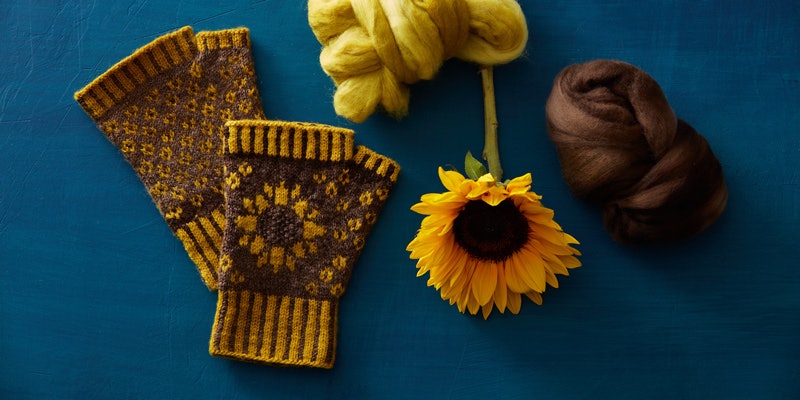
Cooler temperatures and cleaning up the end-of-season garden inspire us to plan for next year’s growing season. Do your plans include a dyer’s garden?
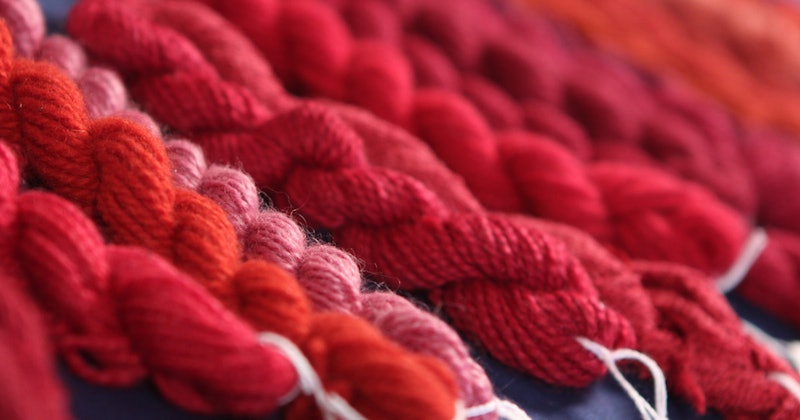
Before the invention of the first synthetic dye, every color of yarn or fabric got its hue from natural dyes—vegetable, mineral, and yes, even animal. Here are a few favorites that are easy for home dyers to find and use.
The scenery in Teotitlán del Valle, Mexico, is a study in tan, but the color I remember most vividly from my visit is red. The bold scarlet of cochineal insects, one of the world’s most important natural dyes, colors the rugs for which the village near
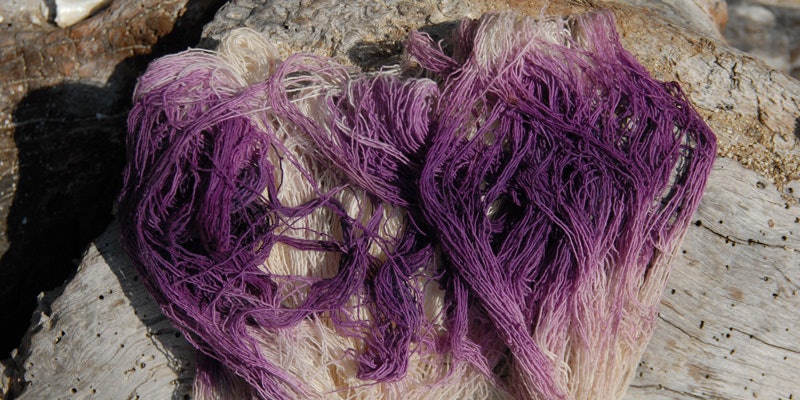
The Pantone Color of the Year 2018, Ultra Violet, takes a new look at an ancient color. Purple has been a royal color for thousands of years, and once it was derived from a mollusk.
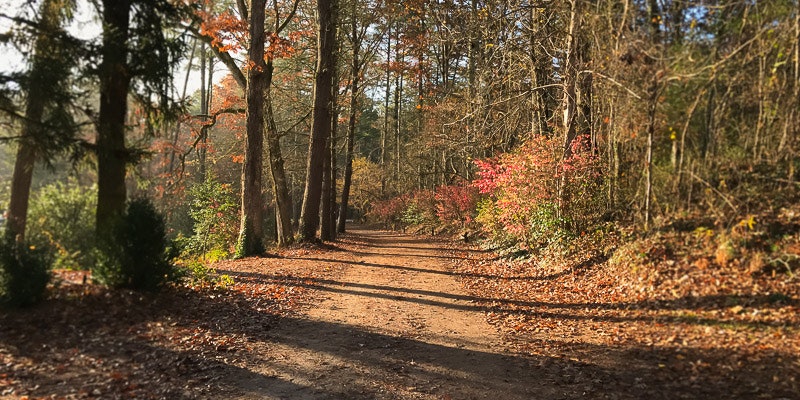
I often talk about a spinner’s path or fiber journey. My experience is like walking the lovely paths at the John C. Campbell Folk School.