
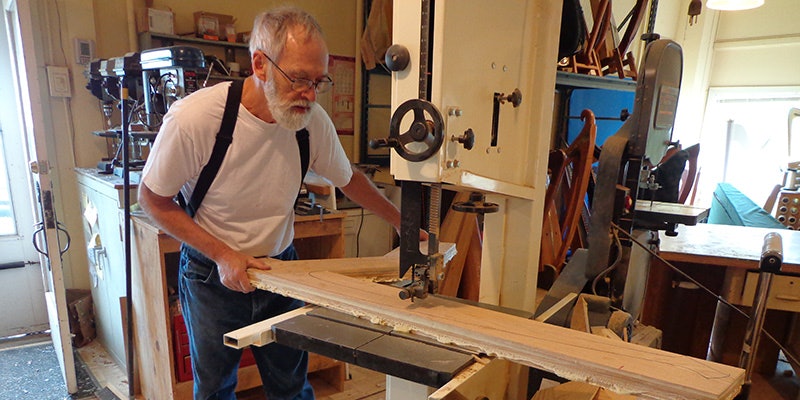
I Am a Spinner: David Kortier, Harp Maker
The Spin Off Spring 2017 issue’s “I am a Spinner” featured a Q&A with spinner and harp maker David Kortier.
Category
The Spin Off Spring 2017 issue’s “I am a Spinner” featured a Q&A with spinner and harp maker David Kortier.
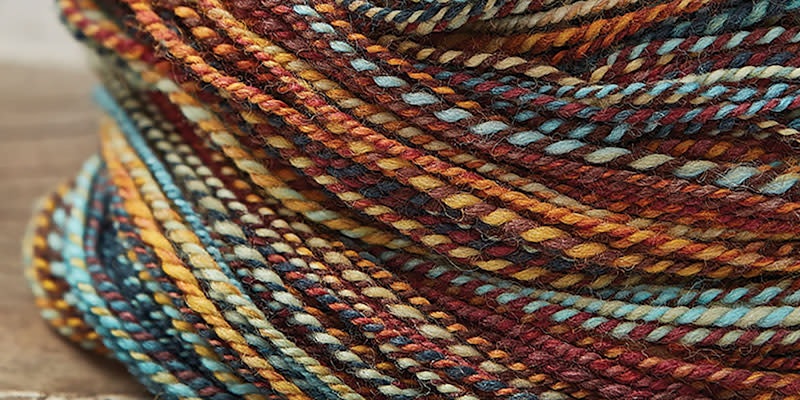
I asked some of my colleagues how they imagined a world without yarn.
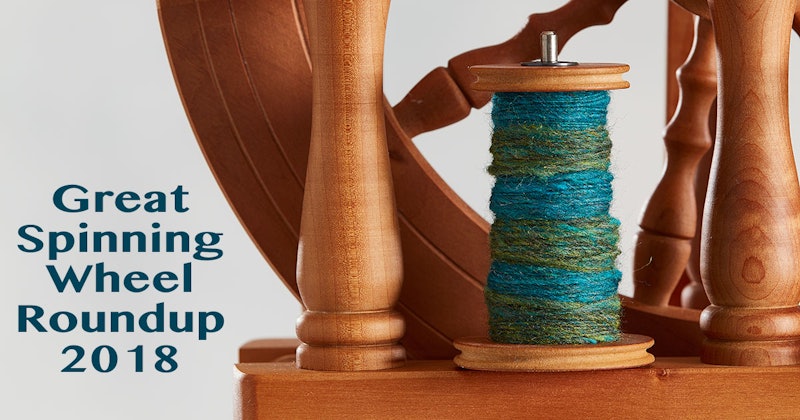
Spinning wheels make yarn, but that’s not all they do.
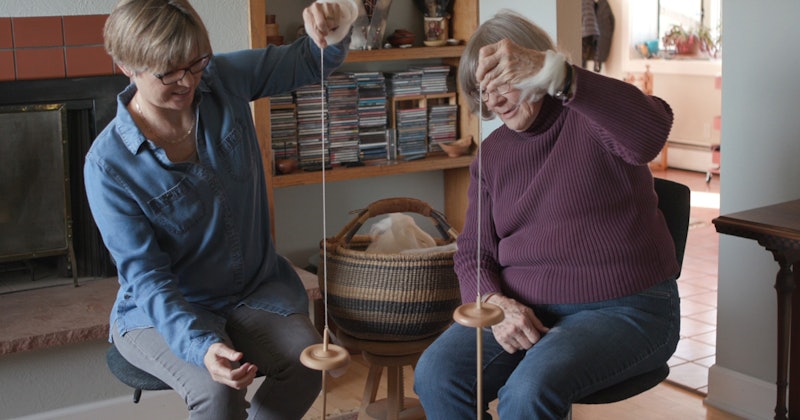
Do you know someone whom you want to drag along to a fiber festival? Someone who needs the peace and creativity that spinning can bring? Now’s your chance for total aspinneration.
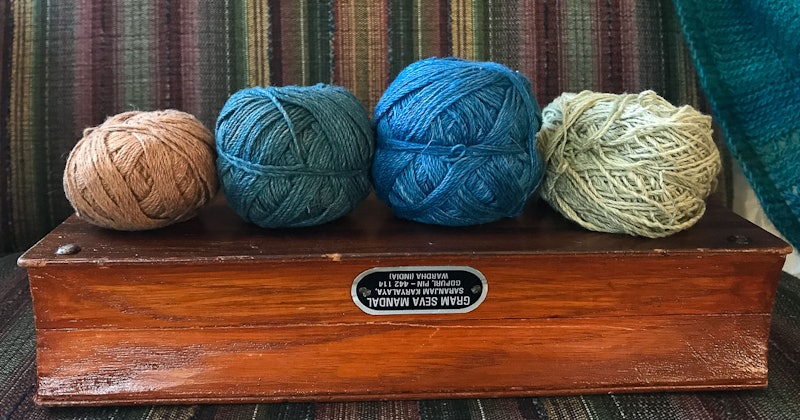
I love spinning cotton during the summer. I also enjoy small, hot-weather projects that let me get a quick crochet fix or use up small bits of yarn.
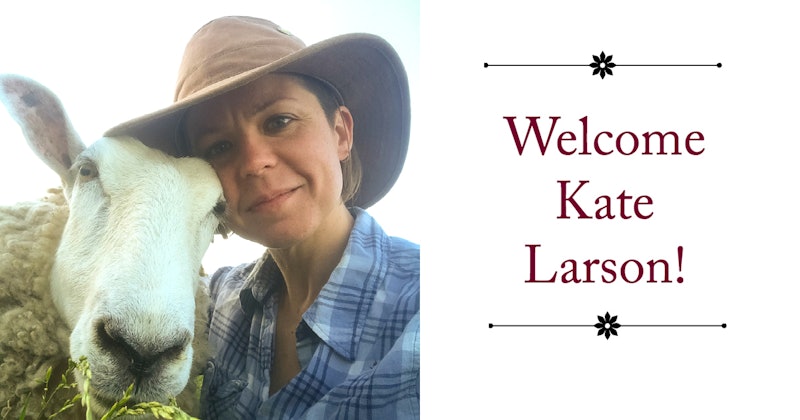
About 13 years ago, at my first Spin Off Autumn Retreat, I met a fellow first-timer. Kate Larson, a young scholarship recipient, was already such an accomplished spinner that she’d been hired as a spinning model for a book!
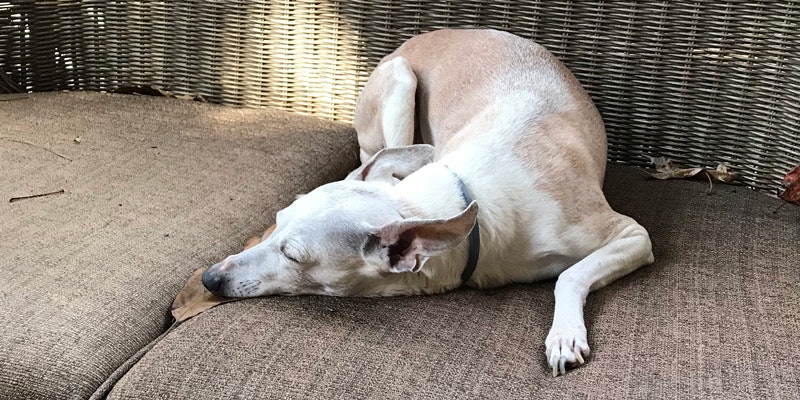
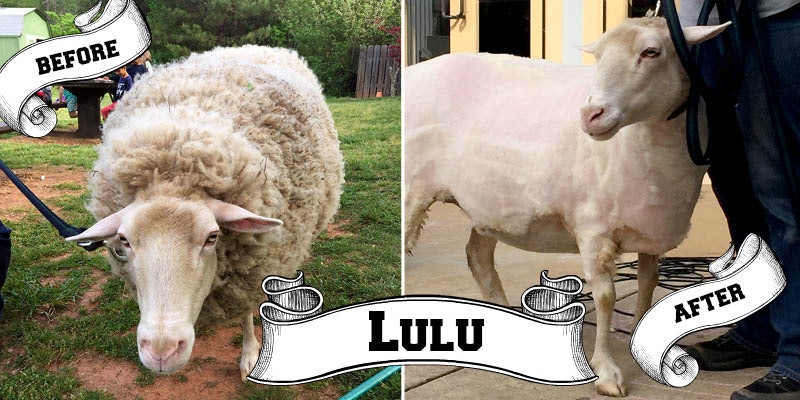
High Meadows School is a small primary school north of Atlanta that promotes kindness to animals as a way of teaching general good stewardship to others.
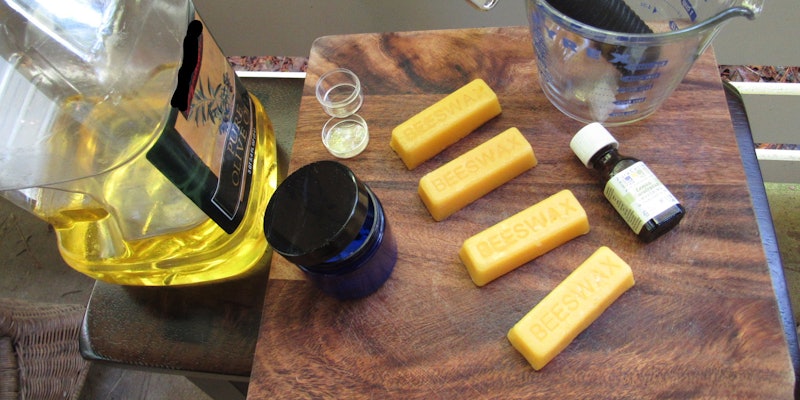
I’m not all that particular about measurements, but I know that I prefer the viscosity of using a 3:1 ratio of oil to beeswax. Start with 1 ounce of beeswax and 3 ounces of oil to see how you like your first batch of natural spinning wheel conditioner.
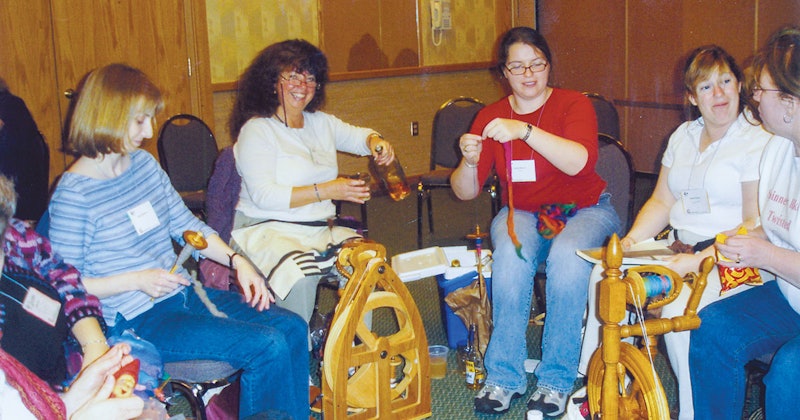
For many of us, learning to spin yarn can be a life-changing event! In the Fall 2017 issue of Spin Off, Kathy Augustine took a brief and very unscientific survey of some of Spin Off’s contributors. Here’s what they had to say about learning.
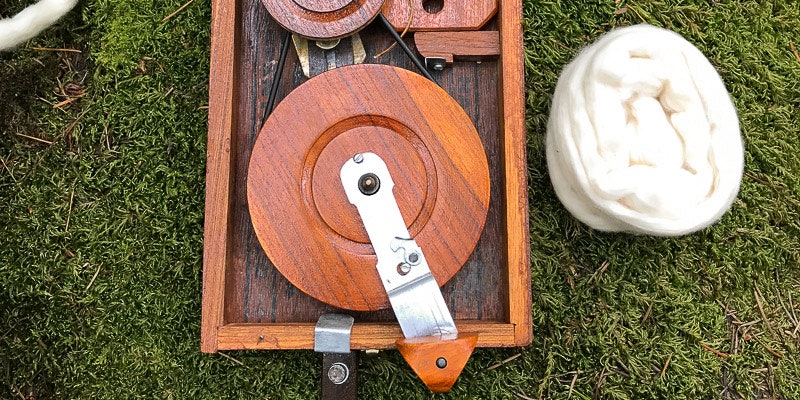
Spinning at the wheel has always been invigorating, freeing my creativity and bringing some of my best ideas to the surface. Charkha spinning is like a deep breath, making me more aware of the space I inhabit.
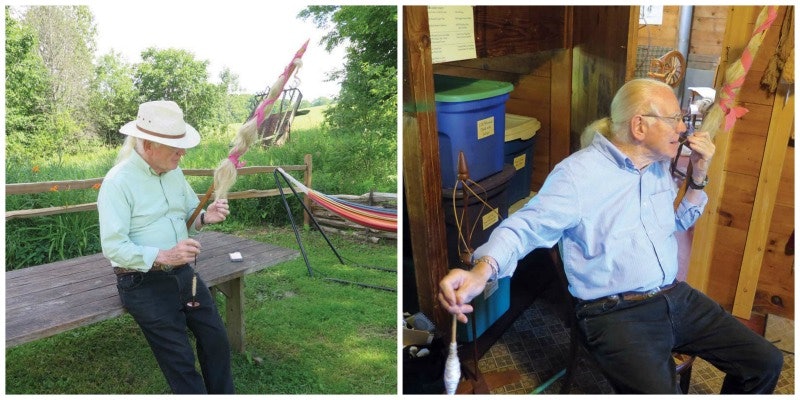
In many parts of the world today, spindle-and-distaff spinning is a regular and substantial part of fiber processing and textile production, even after spinning wheels have been available for quite some time.