
Loading the latest stories…
Category
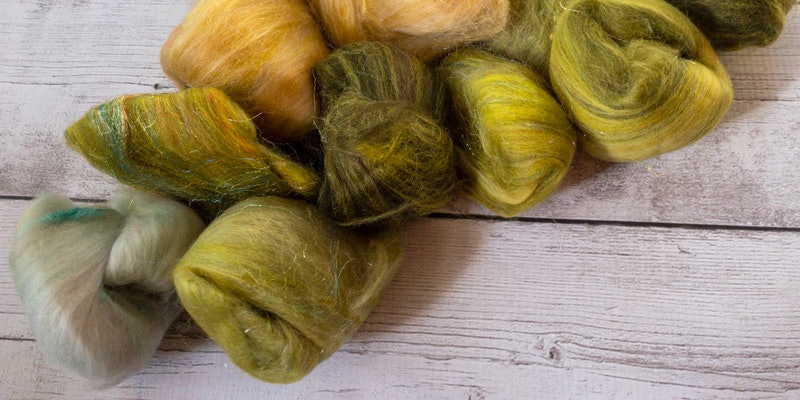
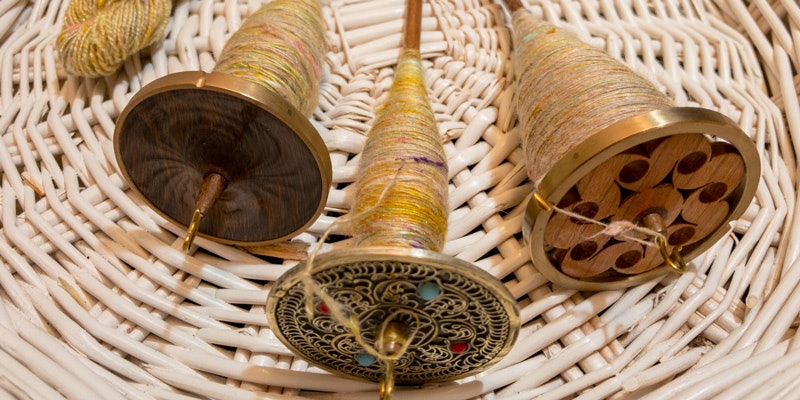
Over the course of the past few months, I’ve been doing a great deal of spindle spinning.
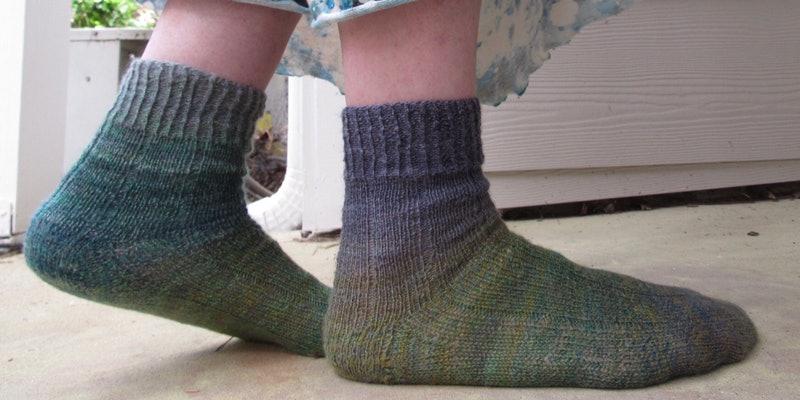
This week I finished my handspun socks, which I knitted for Spin Off’s Second Annual Spin and Knitalong.
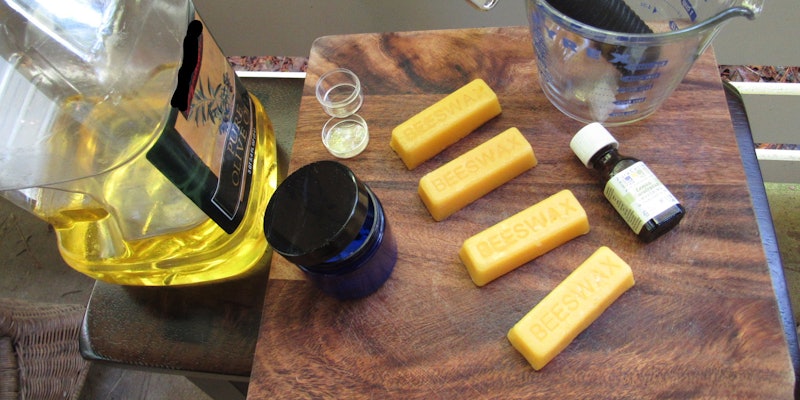
I’m not all that particular about measurements, but I know that I prefer the viscosity of using a 3:1 ratio of oil to beeswax. Start with 1 ounce of beeswax and 3 ounces of oil to see how you like your first batch of natural spinning wheel conditioner.
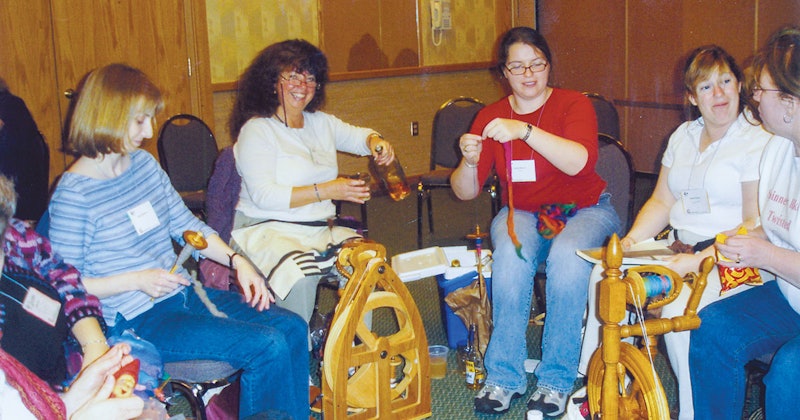
For many of us, learning to spin yarn can be a life-changing event! In the Fall 2017 issue of Spin Off, Kathy Augustine took a brief and very unscientific survey of some of Spin Off’s contributors. Here’s what they had to say about learning.
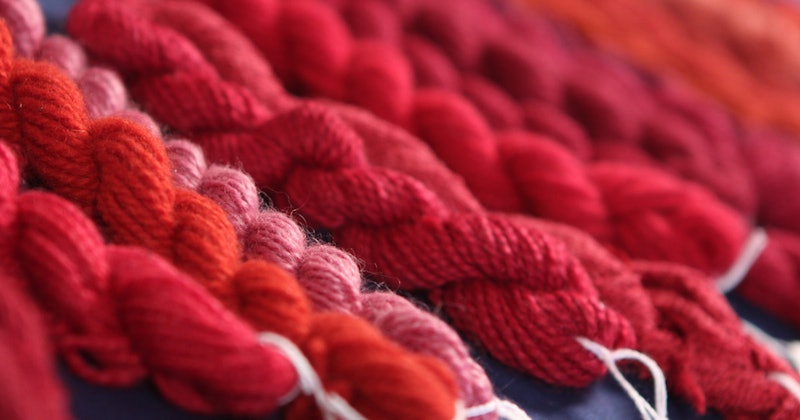
Before the invention of the first synthetic dye, every color of yarn or fabric got its hue from natural dyes—vegetable, mineral, and yes, even animal. Here are a few favorites that are easy for home dyers to find and use.
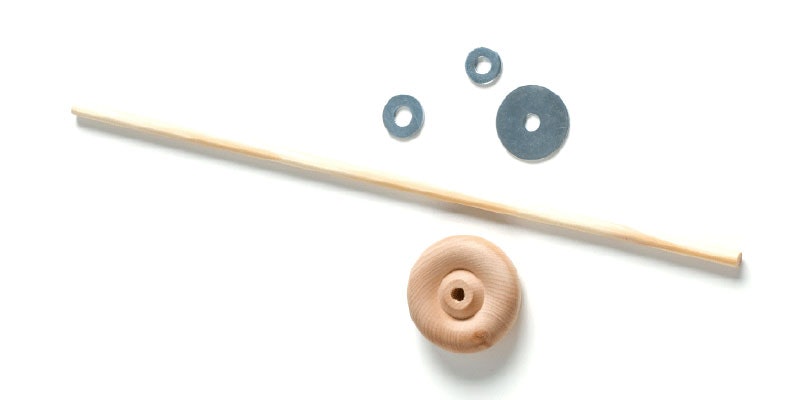
Continuing in our series of inexpensive DIY spindle projects, these directions on how to make a drop spindle come from Abby Franquemont.
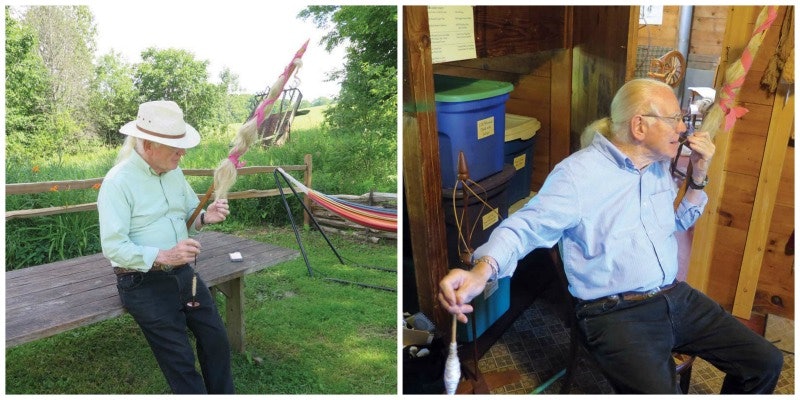
In many parts of the world today, spindle-and-distaff spinning is a regular and substantial part of fiber processing and textile production, even after spinning wheels have been available for quite some time.

You may have heard of the knitter’s (or weaver’s) handshake: instead of greeting someone by the hand, you reach over to examine and stroke the handmade piece they’re wearing.
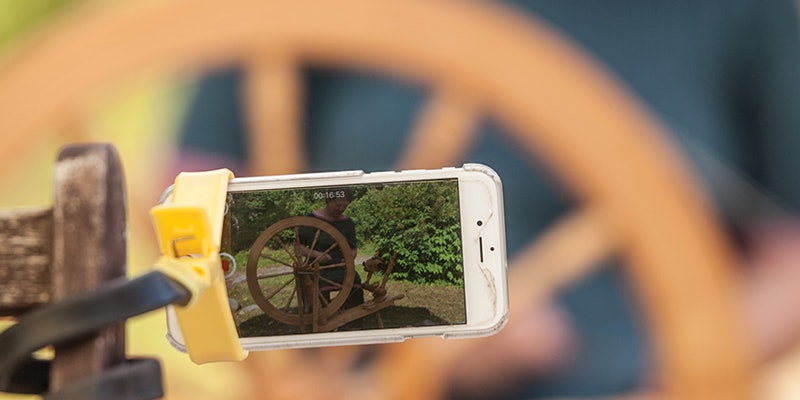
Josefin Waltin wears many hats producing YouTube videos about handspinning. In this excerpt from her article “Old Techniques & New Technology: A Beautiful Marriage,” featured in the Spring 2018 Spin Off, Josefin gives us the scoop on what it’s like
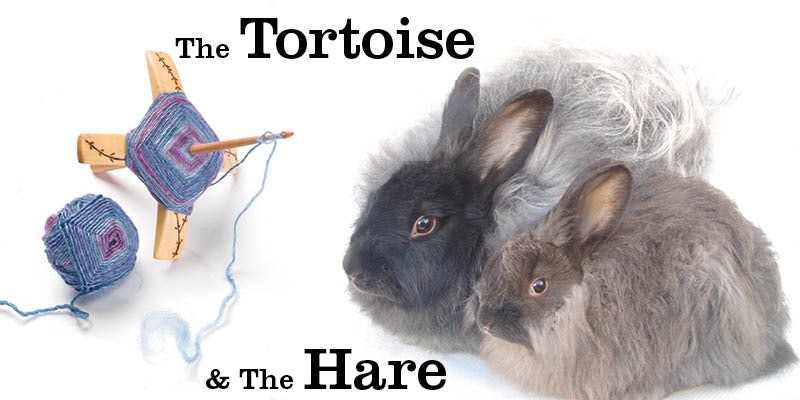
Looking at my fiber stash, I sometimes feel a wave of panic rise. How will I ever transform all this fiber into handspun yarn? If I have any hope of finishing the sock spin-along/knit-along I’d better get spinning.