
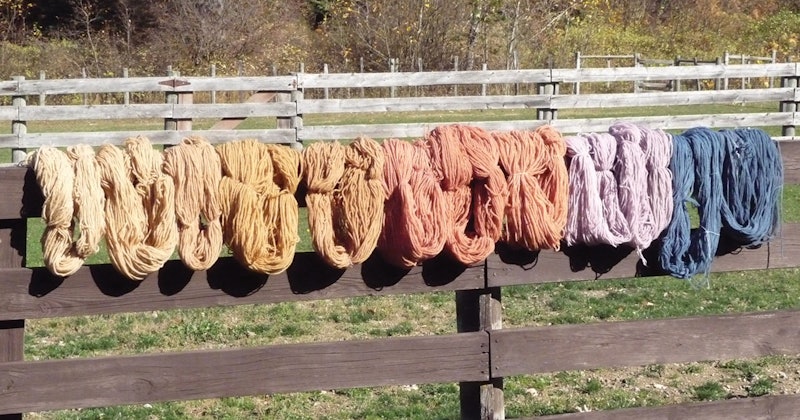
Adventures in Natural Dyeing: Growing Woad
Cooler temperatures and cleaning up the end-of-season garden inspire us to plan for next year’s growing season. Do your plans include a dyer’s garden?
Category
Cooler temperatures and cleaning up the end-of-season garden inspire us to plan for next year’s growing season. Do your plans include a dyer’s garden?
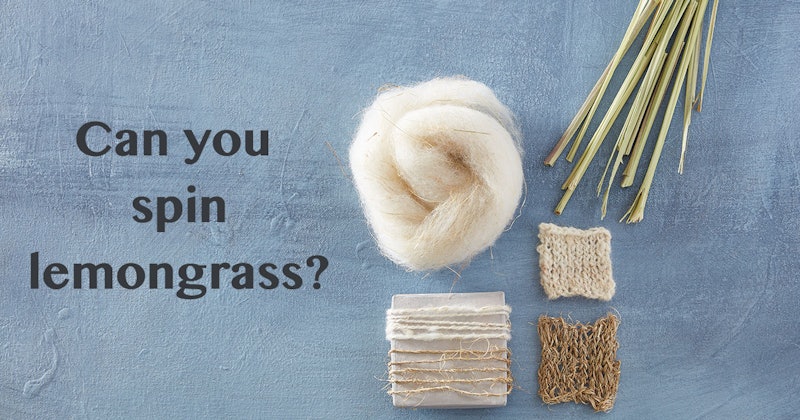
There is a curiosity in the fiber arts; regardless of age, skill level, or purpose, we want to understand how yarn behaves in our knitted, woven, or crocheted projects. In the last few years, my curiosity has led me to bast fibers and the process it takes
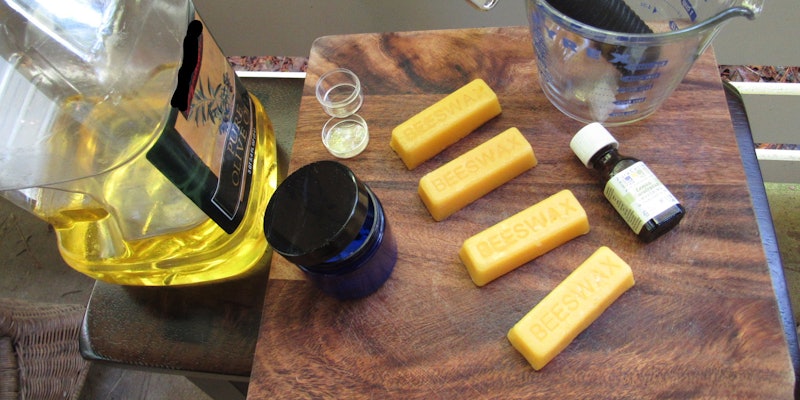
I’m not all that particular about measurements, but I know that I prefer the viscosity of using a 3:1 ratio of oil to beeswax. Start with 1 ounce of beeswax and 3 ounces of oil to see how you like your first batch of natural spinning wheel conditioner.
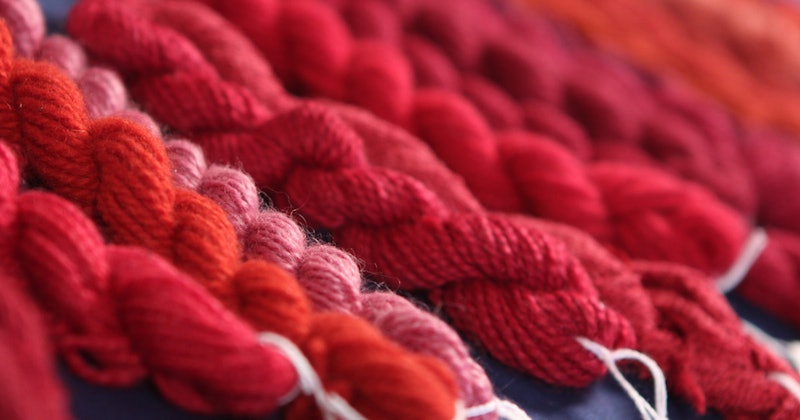
Before the invention of the first synthetic dye, every color of yarn or fabric got its hue from natural dyes—vegetable, mineral, and yes, even animal. Here are a few favorites that are easy for home dyers to find and use.
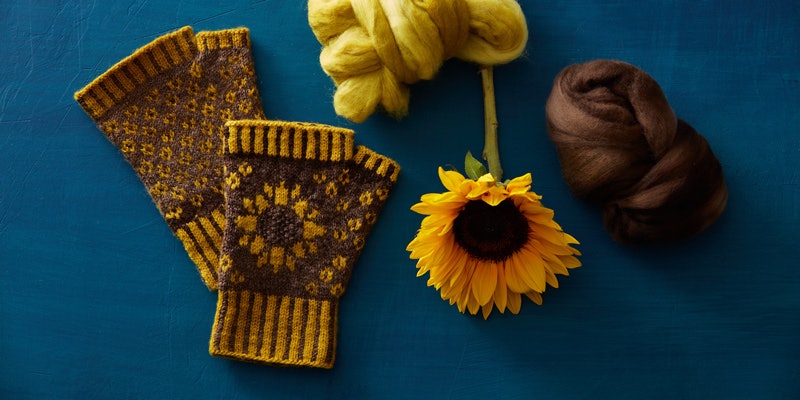
The scenery in Teotitlán del Valle, Mexico, is a study in tan, but the color I remember most vividly from my visit is red. The bold scarlet of cochineal insects, one of the world’s most important natural dyes, colors the rugs for which the village near
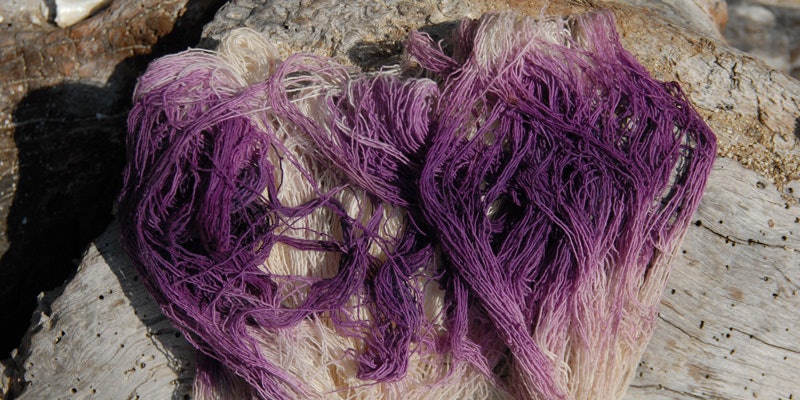
The Pantone Color of the Year 2018, Ultra Violet, takes a new look at an ancient color. Purple has been a royal color for thousands of years, and once it was derived from a mollusk.
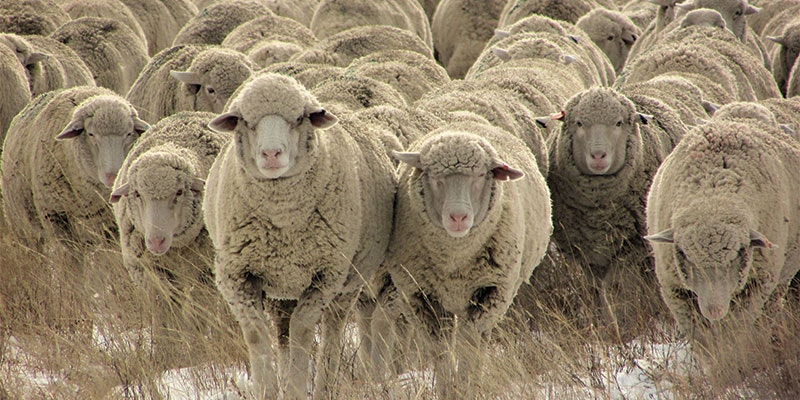
When I count sheep at night, I count off Targhee, Columbia, Montadale . . . and wind up in rare sheep breeds such as Manx Loaghtan and Dorset Down.
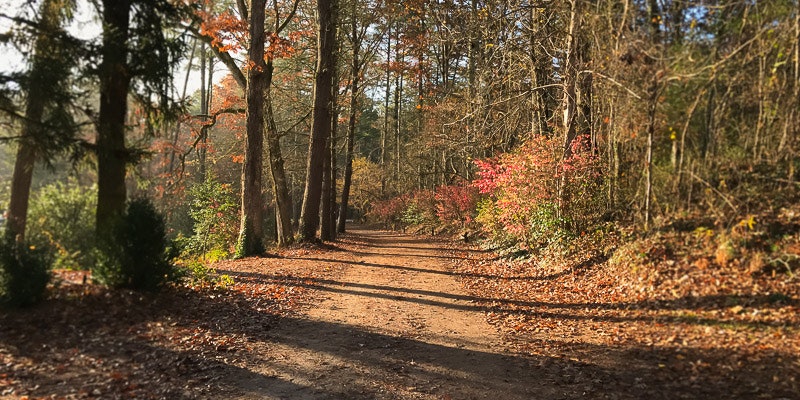
I often talk about a spinner’s path or fiber journey. My experience is like walking the lovely paths at the John C. Campbell Folk School.
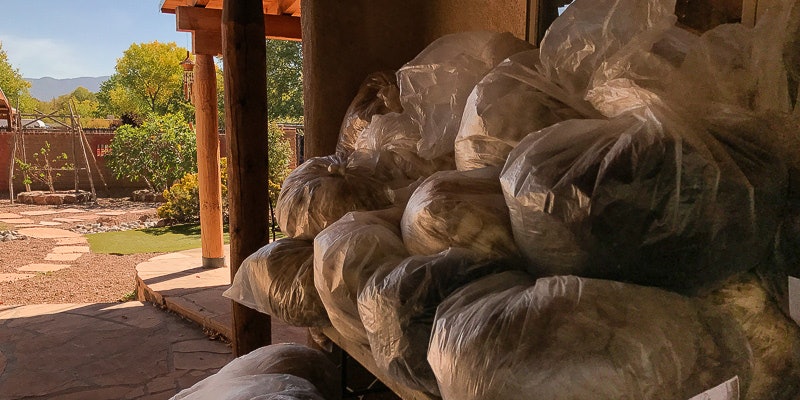
This cheerful mill in Albuquerque is where Ruth Baldwin works her magic on piles and piles of wool, transforming fleece into custom wool roving and yarn.
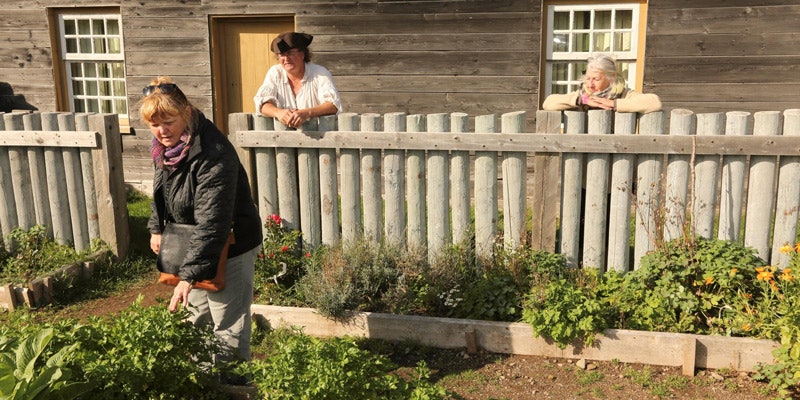
Connecting Threads allows visitors to experience the process of turning a sheep’s fleece into a piece of clothing through a natural dye workshop.
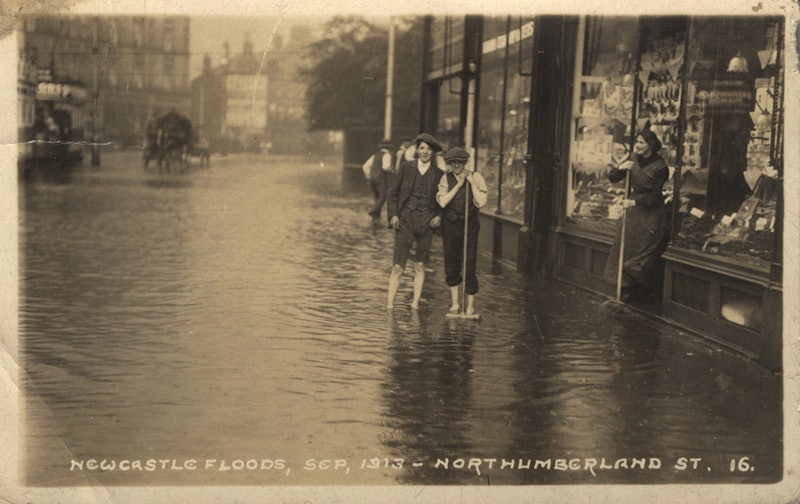
Recent natural disasters have some of us in the office wondering what we’d do if it were us. Here are 10 insurance tips for crafters - take stock now!
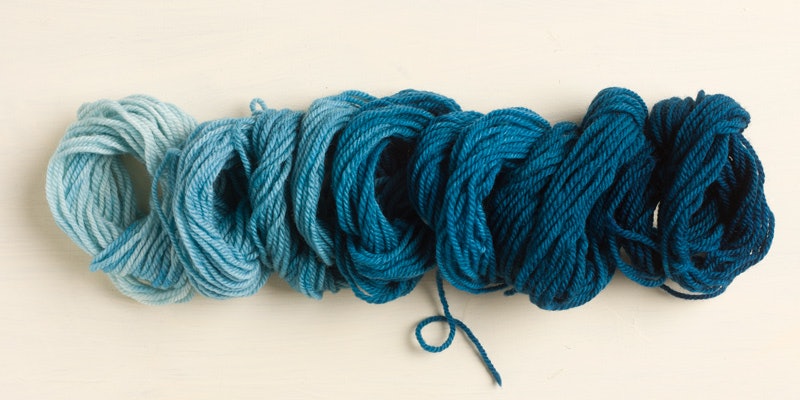
There is no other dyestuff like indigo: complex chemistry, a tendency to rub off, and irresistible shades of blue.