Going Back to School for Earth Day (Never Stop Learning)
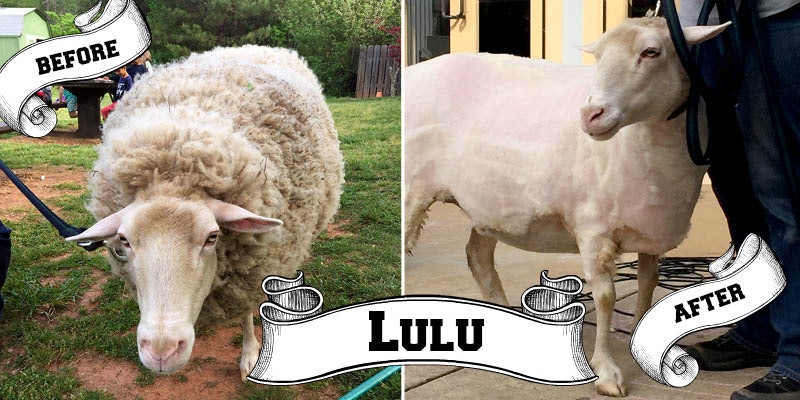
High Meadows School is a small primary school north of Atlanta that promotes kindness to animals as a way of teaching general good stewardship to others.
Category
High Meadows School is a small primary school north of Atlanta that promotes kindness to animals as a way of teaching general good stewardship to others.
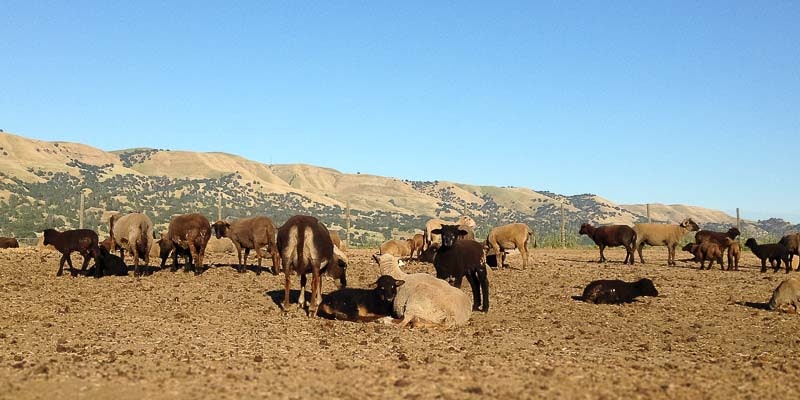
California cotton breeder Sally Fox is most widely known for organic cottons that grow in a luscious range of tans, greens, and warm browns. Sally also keeps a growing flock of natural color Merinos roaming her Capay Valley fields—such fleecy goodness!
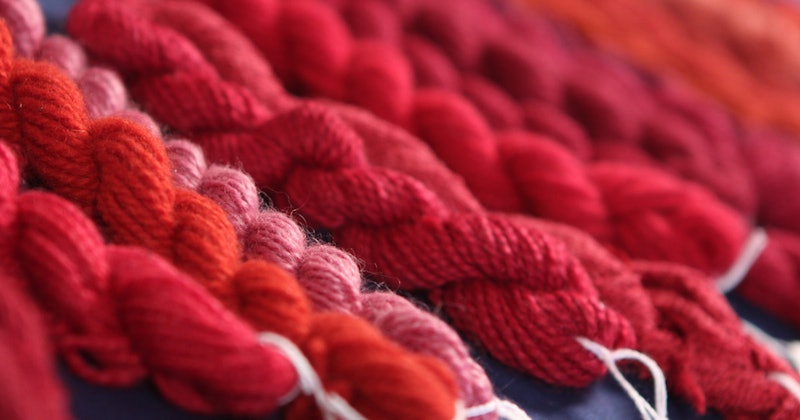
Before the invention of the first synthetic dye, every color of yarn or fabric got its hue from natural dyes—vegetable, mineral, and yes, even animal. Here are a few favorites that are easy for home dyers to find and use.
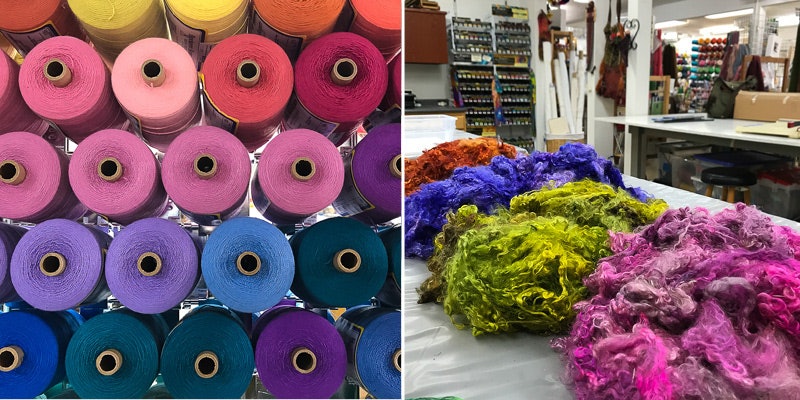
I’ve just resurfaced from Eugene Textile Center’s Fiber in the Forest retreat. This annual retreat welcomes fiber artists to delve deeper into their craft for three full days.
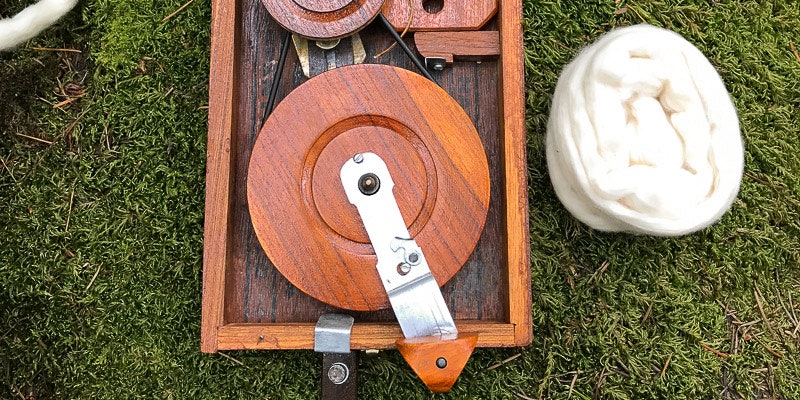
Spinning at the wheel has always been invigorating, freeing my creativity and bringing some of my best ideas to the surface. Charkha spinning is like a deep breath, making me more aware of the space I inhabit.

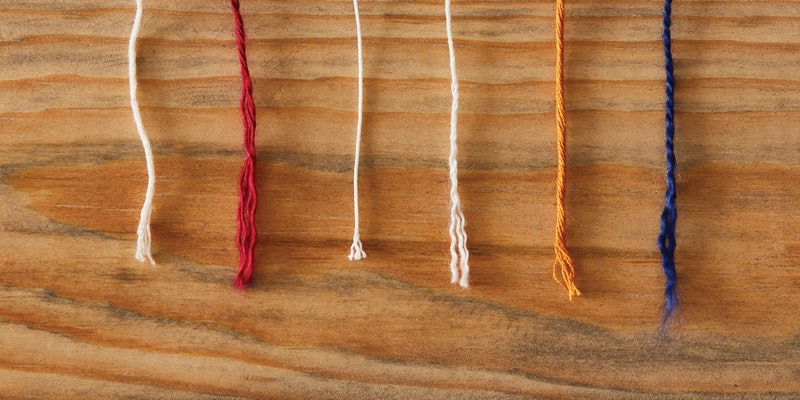
Understanding your yarn is the first step toward a happy yarn/project pairing. I love thinking about yarn, so I offered to turn my spinner’s eye to cotton crochet thread.
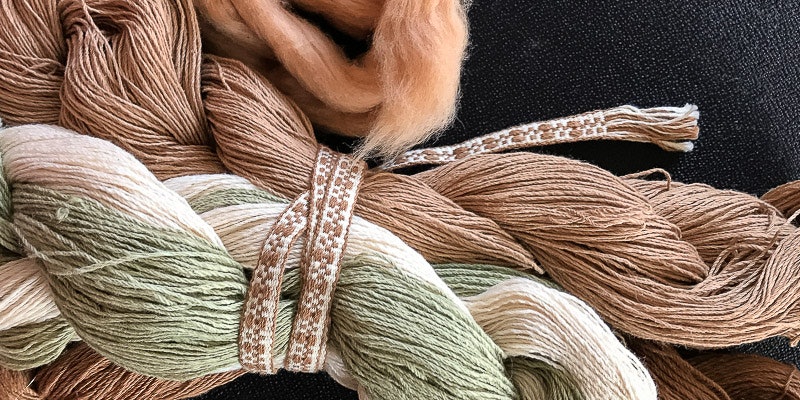
I have been aware of inkle weaving since the beginning of my fiber life and long admired the long strips of useful cloth.
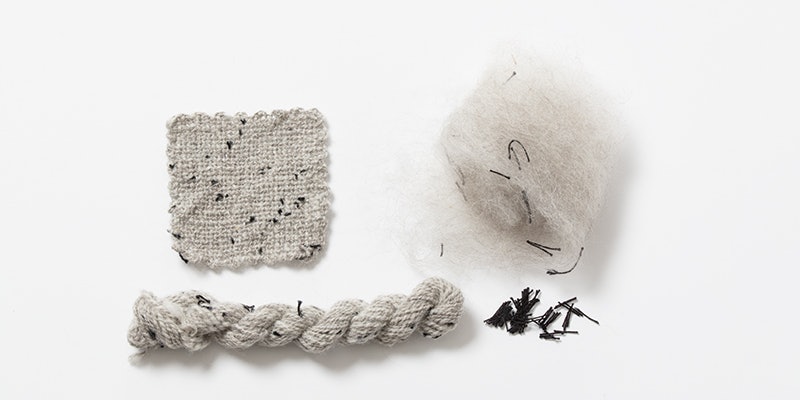
Benjamin Krudwig began spinning tweed yarn with a vision; to create a yarn for a woven jacket that looked like newsprint. He chose a base blend of 75% alpaca/25% llama, then began experimenting with cotton, alpaca, and silk inclusions.
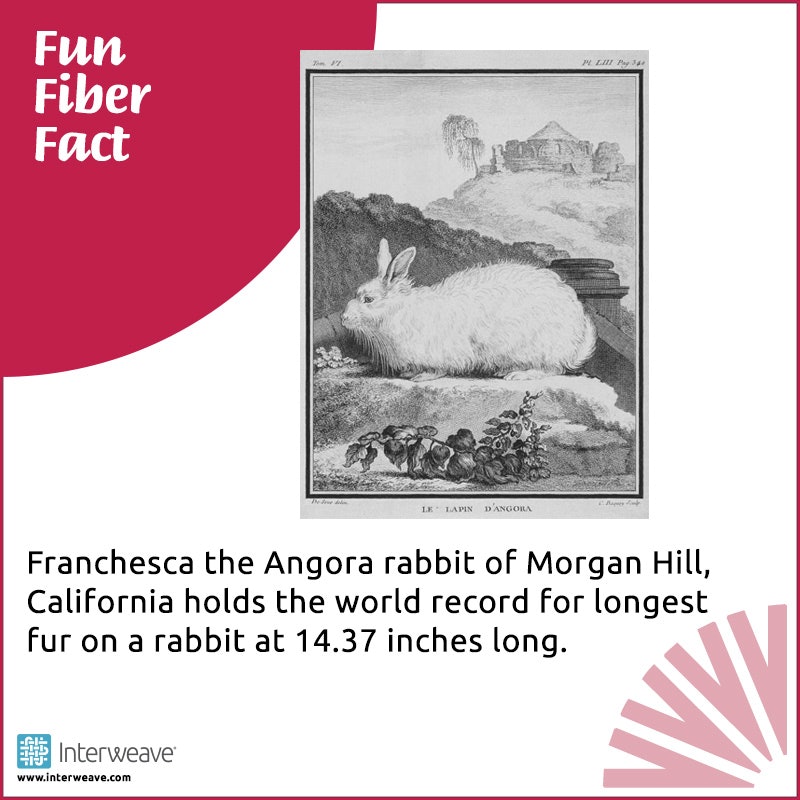
We have answers to these questions and many other fun fiber facts for spinners, weavers, knitters, crocheters, and all fiber enthusiasts alike!
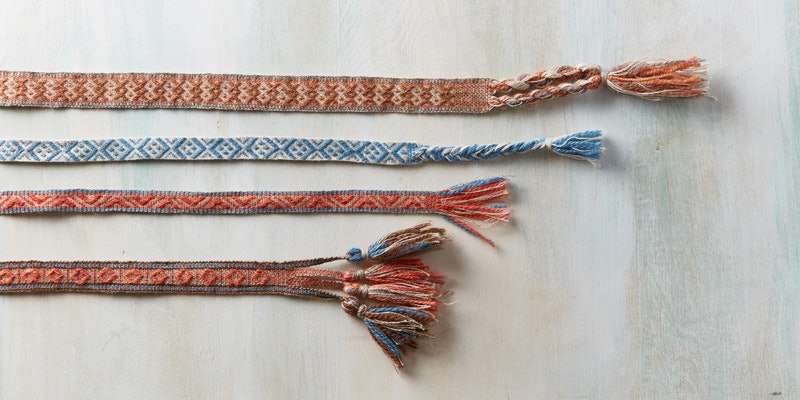
In this excerpt from Kate Larson’s article “Spinning for Warp-Faced Bands,” get a sneak peek at Spin Off Spring 2018.
