
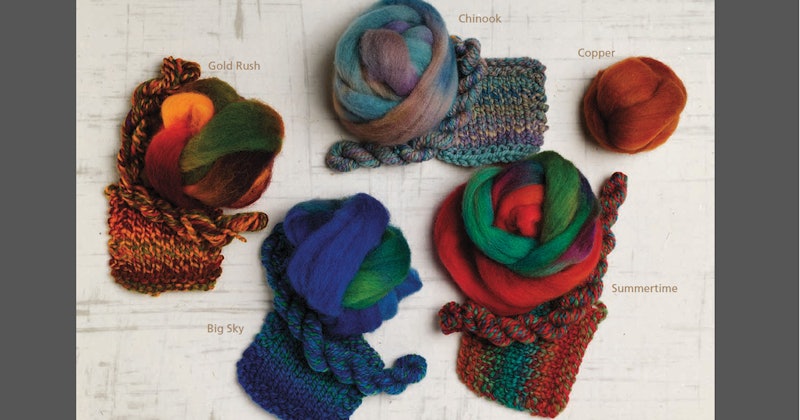
Spinning Rainbows
Jillian Moreno describes how to combine different colorways, different dyers, and even different fibers to spin absolutely unique yarn.
Category
Jillian Moreno describes how to combine different colorways, different dyers, and even different fibers to spin absolutely unique yarn.
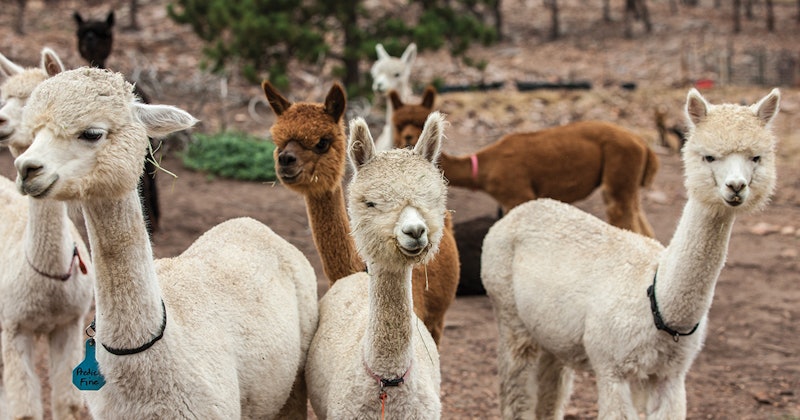
In this excerpt from Donna M. Rudd’s article “Spinning Alpaca’s Natural Colors,” learn eight favorite methods for spinning naturally colored alpaca fiber.
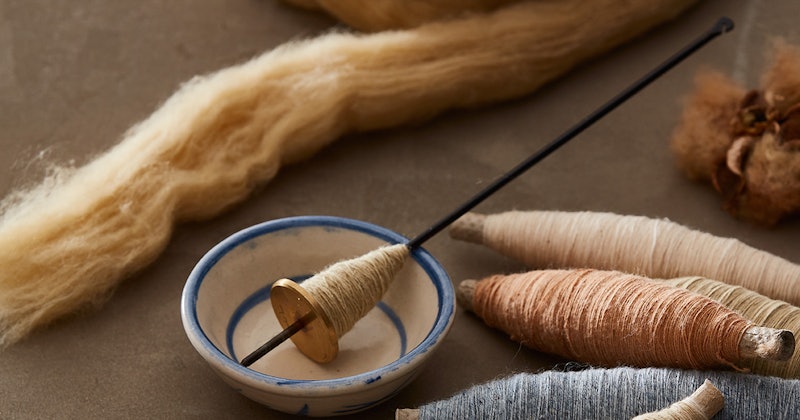
Whether you knit, crochet, or weave, all these crafts have one thing in common: they require yarn. Better yet, make your project with handspun yarn!
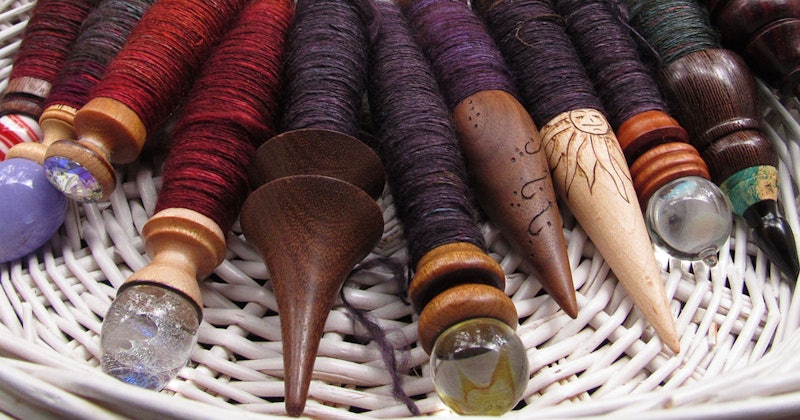
Recently, when I decided to spin up a 50% yak/50% silk blend top, the decision was easy: I spun that baby using my favorite supported spindles.
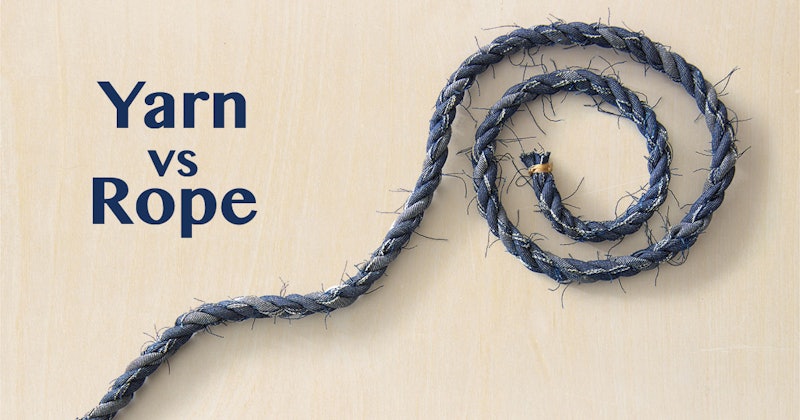
Alden’s endlessly curiosity about machinery and textiles was infectious! Here he describes the differences between plied yarn and rope.
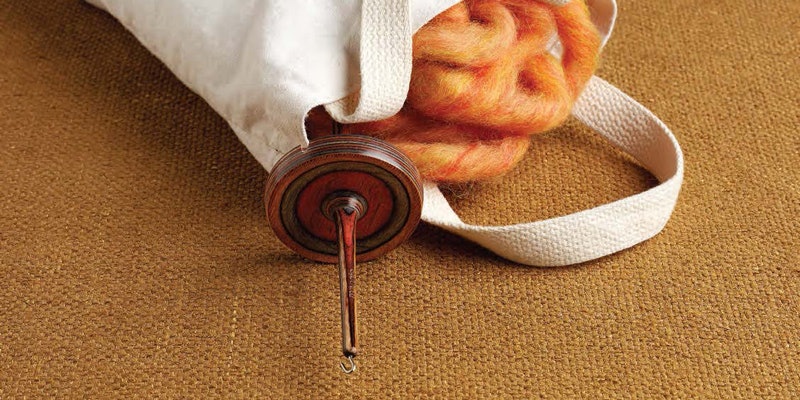
A Drop Spindle Is the Perfect Traveling Companion. As I write this, I’m getting ready to travel to Tinkuy, an international gathering of weavers in Peru.

We all know that a skein of handspun yarn is made up of more than just fiber. Other elements count, too: the preparation, the color, the tools and how they’re used, and the ever-important mood of the handspinner.
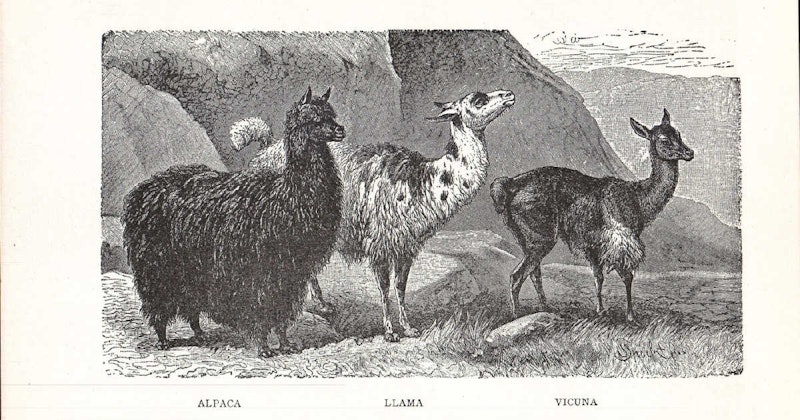
If you want to try weaving with vicuña fiber you can try mixing it with a less expensive, but equally luxurious fiber in the warp such as guanaco or qiviut.
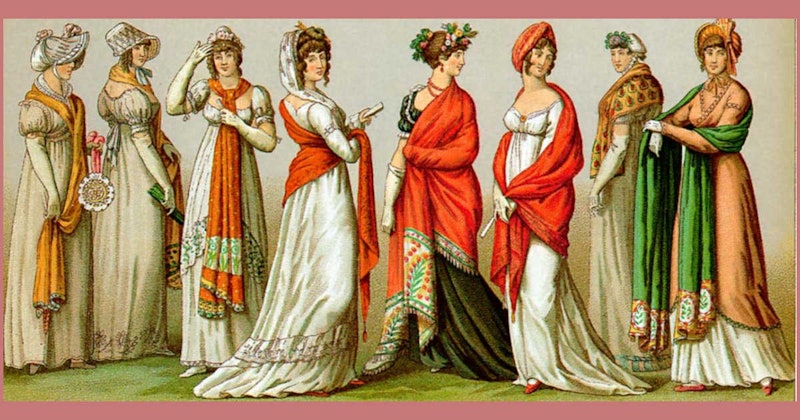
During the mid- to late-eighteenth century, drizzling became quite the fashion in France to carefully remove gold and silver threads from other textiles so they could be sold.
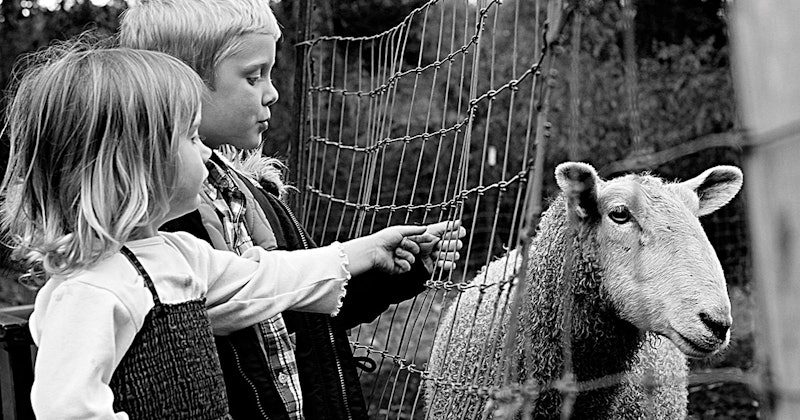
Facilitating the connection between shepherds and spinners was the inspiration behind My Local Wool, a website that helps fiber farms sell their wool directly to fiber artists and helps makers find resources for local fiber.
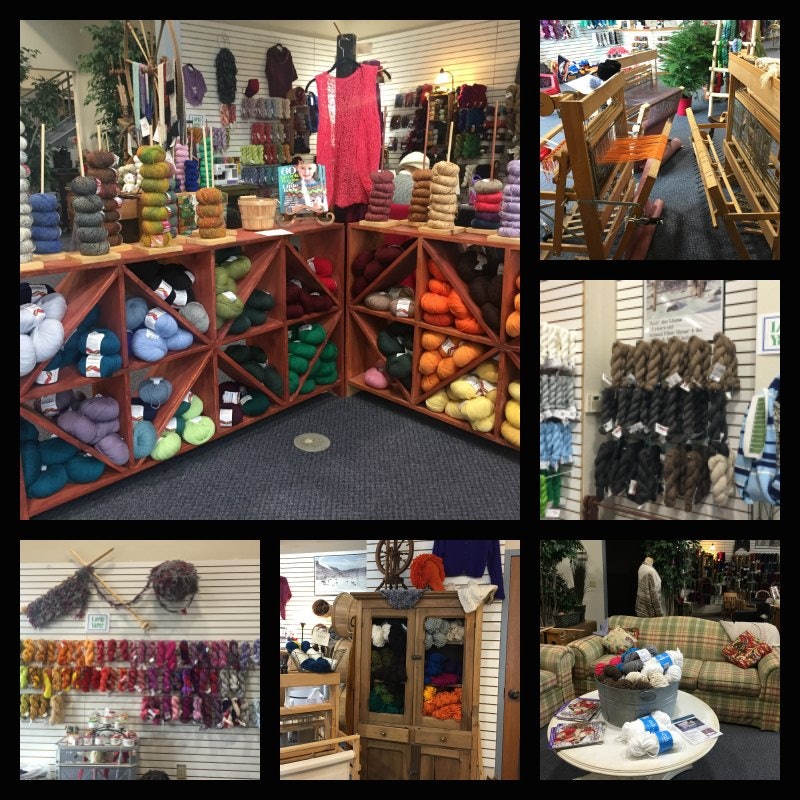
This week’s Small Biz Saturday focuses on Fort Collins Local Yarn Shop Your Daily Fiber
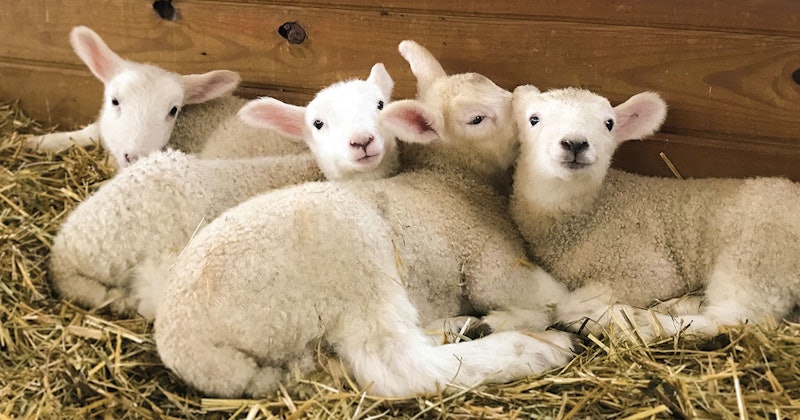
Why subscribe to Spin Off? Learn new techniques, catch up on what other spinners are doing, and more. Plus: our furry and woolly friends!