
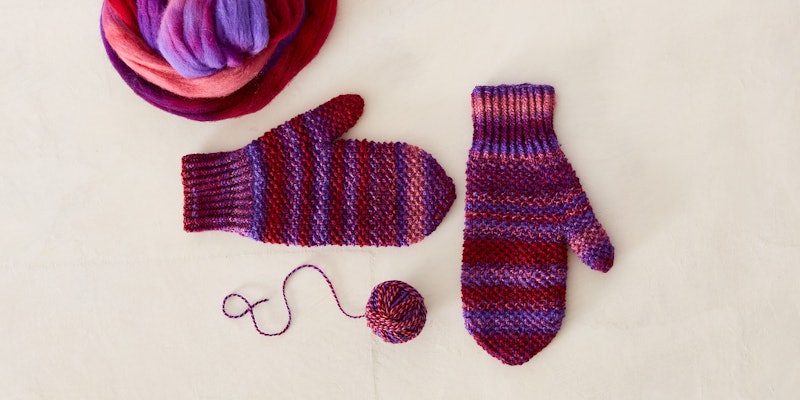
Handspun Mittens from the Mitten State
I live in the northwest corner of the Lower Peninsula of Michigan. Winters are long here. Handspun mittens, therefore, are essential winter wear.
Category
I live in the northwest corner of the Lower Peninsula of Michigan. Winters are long here. Handspun mittens, therefore, are essential winter wear.
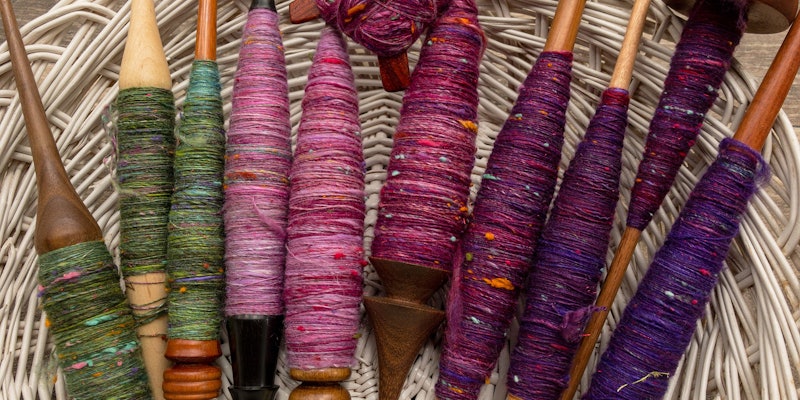
The number one question people ask when I’m using a handspindle: “how do you go about plying singles yarns from the spindles?”
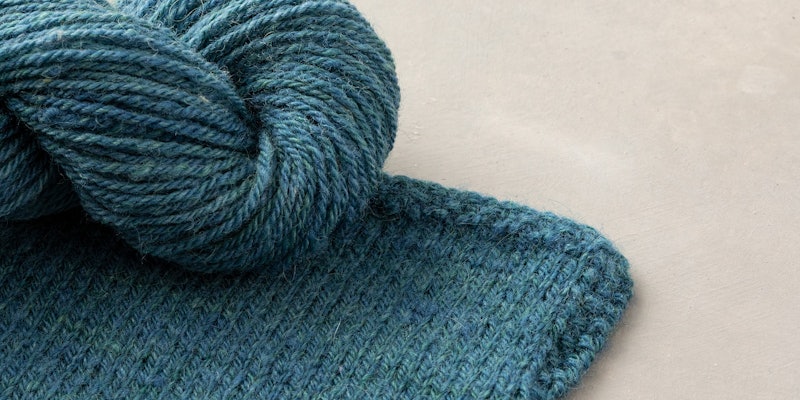
Is it possible to make a durable fiber blend without nylon?
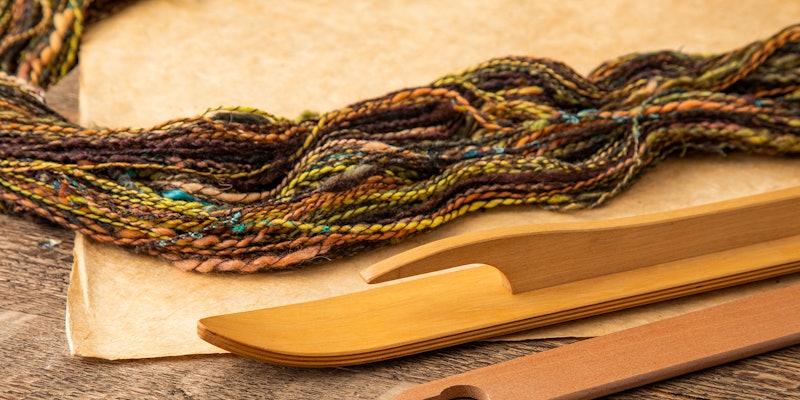
Join us as we take a look at the intentional use of texture in spinning.
Season 4, Episode 10: A wool mill forms the link between sheep and fiber artists, transforming raw fiber into handcraft-ready yarn and roving. Working in small batches, processing fleece from small farms, a mill can still have a big impact.
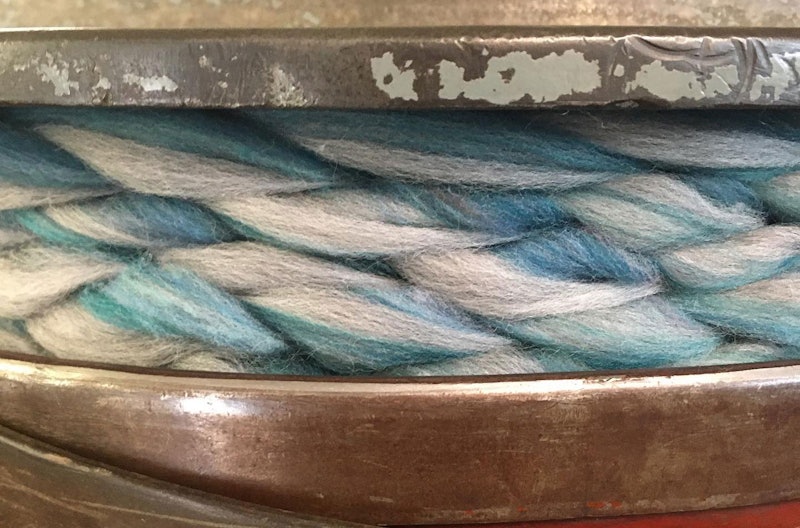
Between fiber artists craving an authentic grassroots connection and the small farms who produce heirloom-quality fiber, a small-batch mill provides the link that keeps local wool vital.
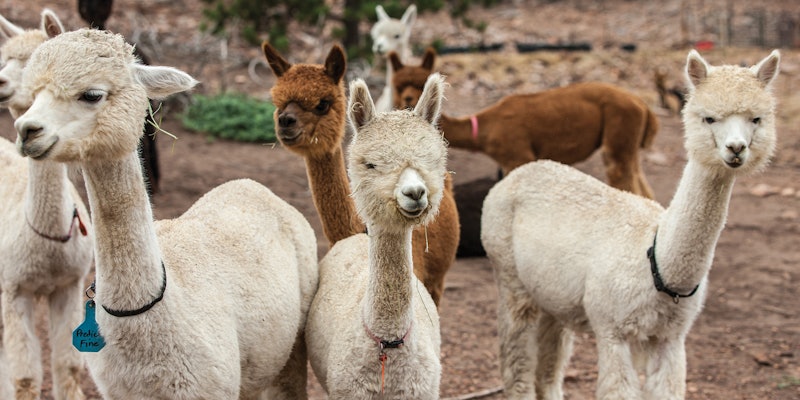
When buying an alpaca fleece, you might wonder how washing wool from an alpaca is different from washing sheep’s fleece.
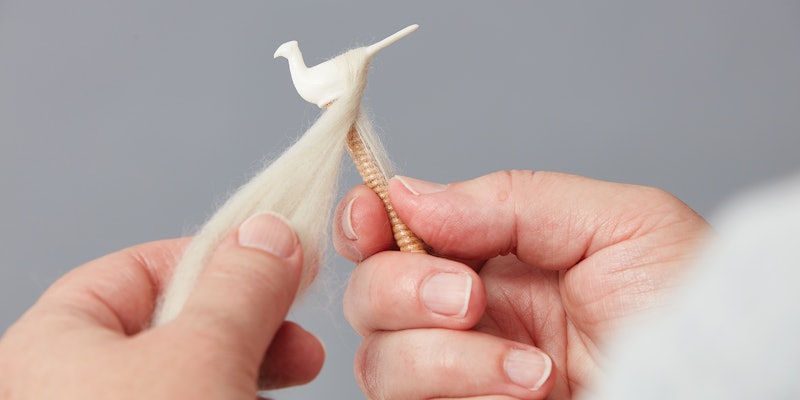
A nifty tool to manage your fiber
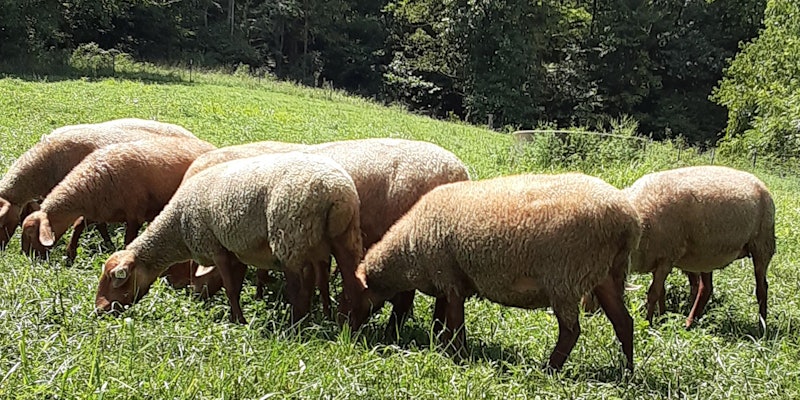
Raising rare-breed sheep is a year-round occupation, but spring is the season for two special events: lambing and shearing.
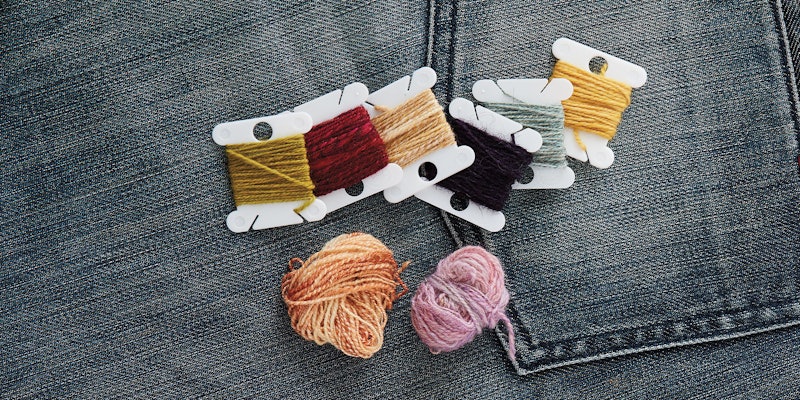
Patch it, mend it, or darn it—visible mending is hot! Transforming a worn piece of clothing with vibrant stitchwork offers a great way to show off your handspun yarn.
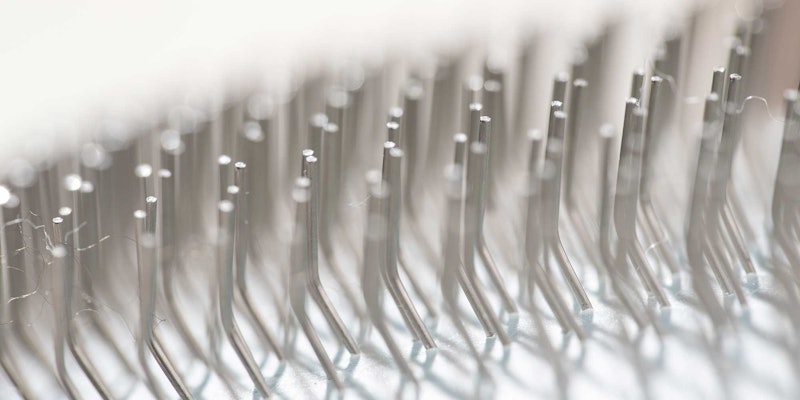
Are you desiring light and fluffy fiber to spin? Using handcards might be the solution.
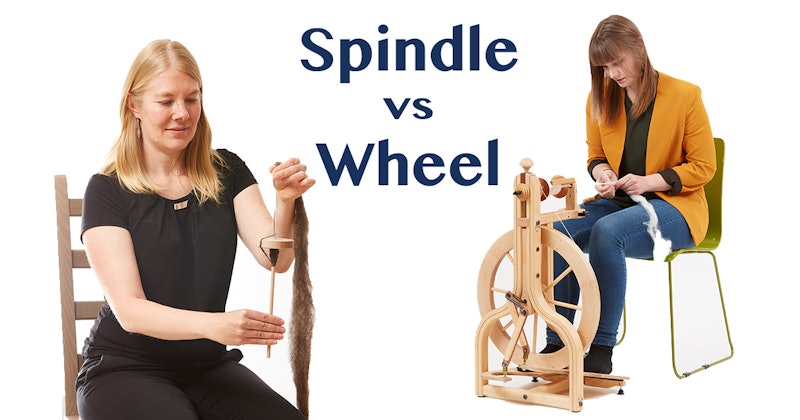
Some spinning teachers insist that you must start with a drop spindle; others pull out a chair and invite you to sit at a spinning wheel. Which is best?