
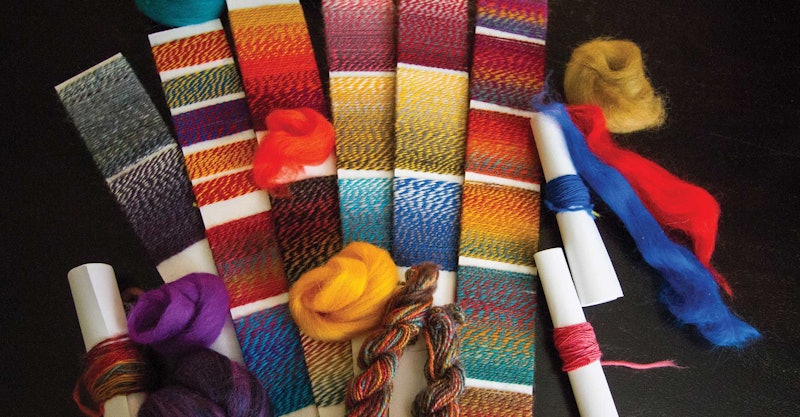
I Ply with My Little Eye: Make Your Spinning Sing with Optical Ply Blending
Learn how optical blending relies on the eye to blend the colors.
Category
Learn how optical blending relies on the eye to blend the colors.
 SUB
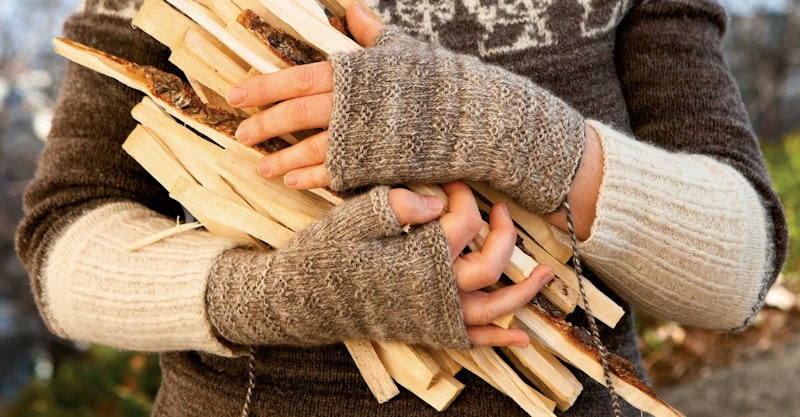
SUBTwined knitting, a Swedish technique that requires two working yarns that are twisted together after each stitch, makes a sturdy fabric with very little elasticity.
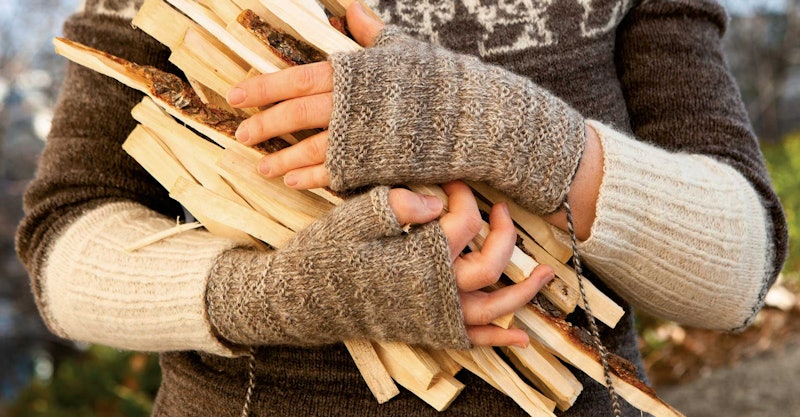
Twined knitting makes a sturdy fabric that will last forever, especially if you use a fiber that has an outercoat for strength and undercoat for softness and warmth.
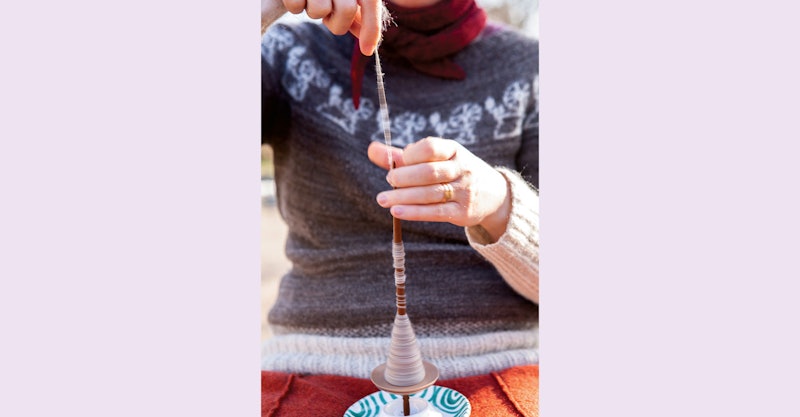
Twist direction can be used to highlight or strengthen a special technique. As spinners, we can create a wide spectrum of qualities just by making changes in twist.
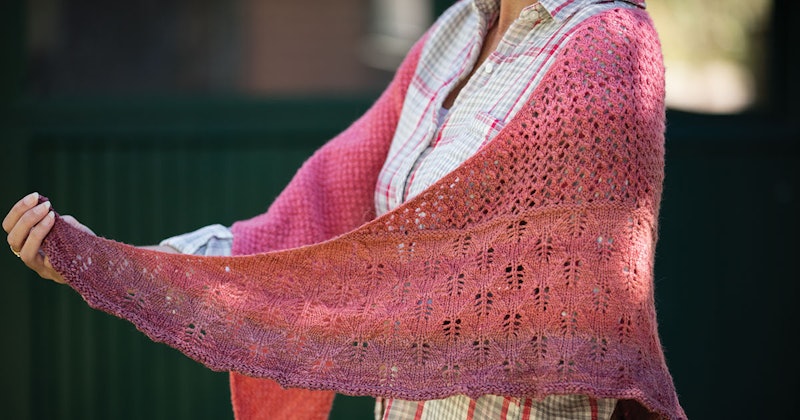
It often takes extra work for a dyer to create a perfectly smooth gradient of handdyed top. Here are a few strategies for spinning gradient yarn.
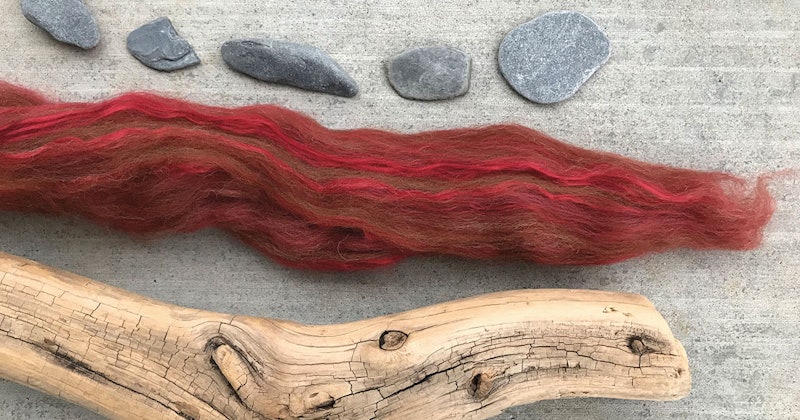
Dreaming up projects using handspun yarn is one of the joys of spinning. Judith MacKenzie shares her experience spinning fiber odds and ends for a beach sweater as wild as her beloved Northwest coastline.
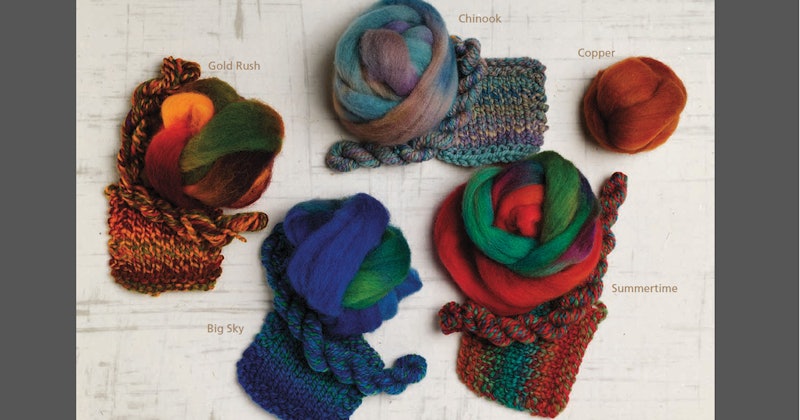
Jillian Moreno describes how to combine different colorways, different dyers, and even different fibers to spin absolutely unique yarn.
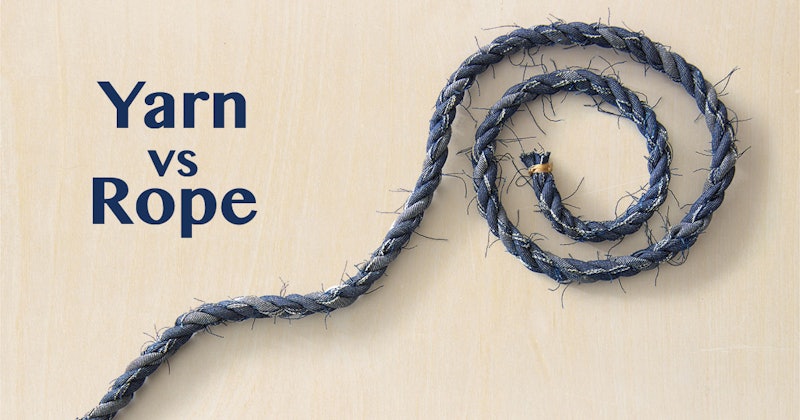
Alden’s endlessly curiosity about machinery and textiles was infectious! Here he describes the differences between plied yarn and rope.
A spinning teacher taught me to tape my control sample to an index card, noting down the wheel, whorl size, takeup method, and other key details.
After completing my first handspun vest, I wanted to use up the last bits of vest yarn in a pair of socks. Here's how I planned the pair.
Trial and error taught me a lot about dyeing yarn when I made my first handspun vest, and about plying when I made my first handspun socks. These lessons helped me on my second handspun vest, and then textured knitting stitches disguised less-than-perfect
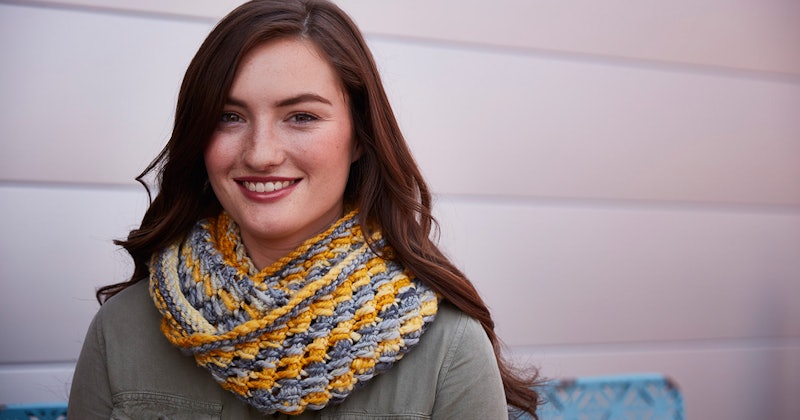
For the Winter 2019 issue of Spin Off, Emily Straw and Joanna Johnson teamed up to bring us the Copper Beeches Cowl.