
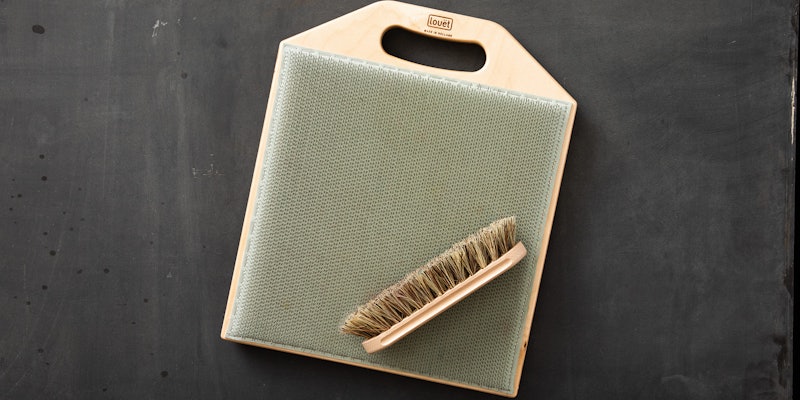
Carding Cloth: What tpi does the best job?
Spinning tools are a big investment. Handcards, drumcarders, flick carders, and blending boards all use carding cloth, a toothed material, to open and blend fibers.
Category
Spinning tools are a big investment. Handcards, drumcarders, flick carders, and blending boards all use carding cloth, a toothed material, to open and blend fibers.
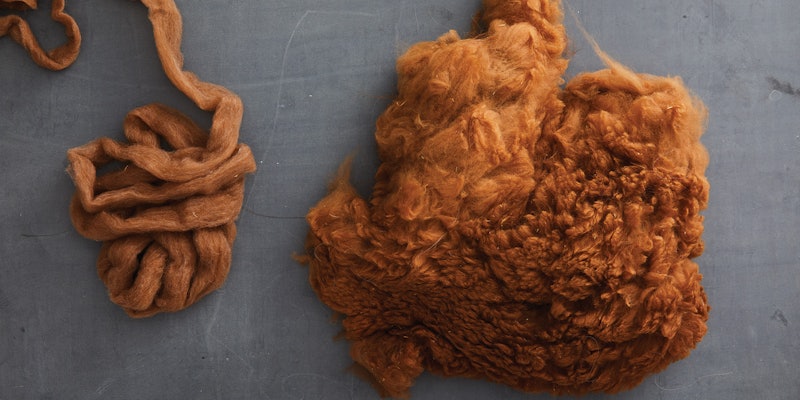
Paco-vicuña is an ideal fiber for handspinners. As Jane Levene explains, the crinkle—or tiny, unorganized crimp—helps to interlock the fibers, creating that loft so many of us love.
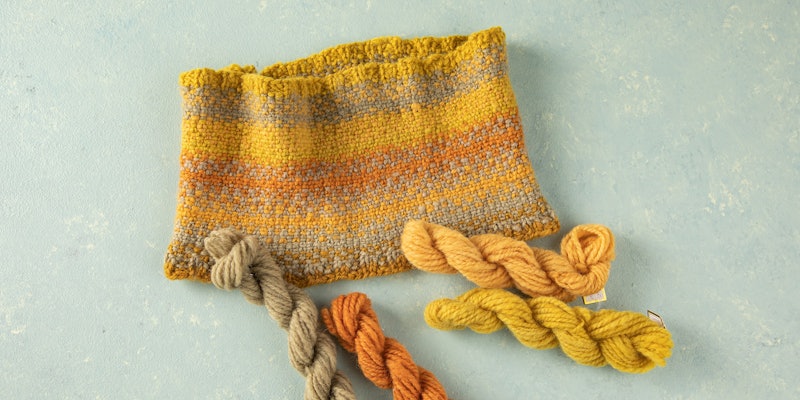
Nervous about natural dyes? Start with these resources, including a PDF full of dyeing instructions and tips.
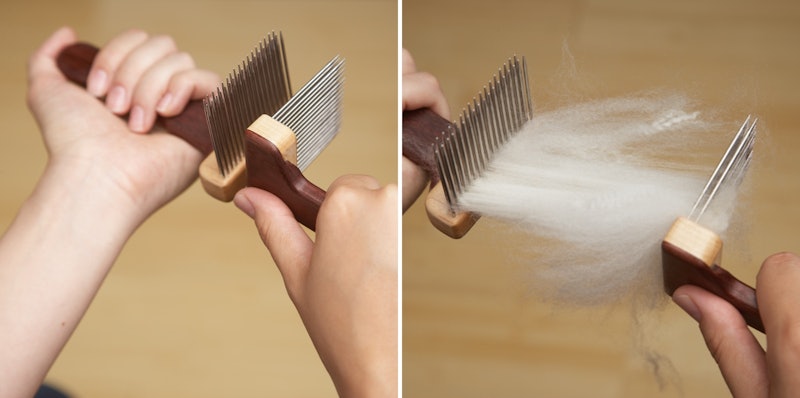
Wool combs may look scary, but once you try them, you’ll be hooked.
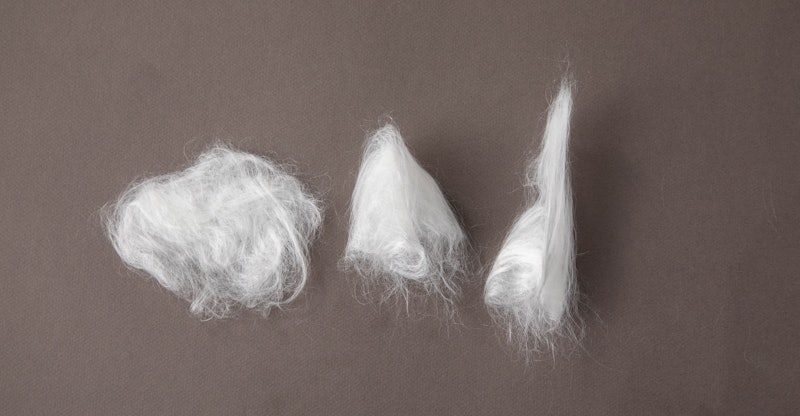
Struggling with silk slivers? Add this easy technique to your spinner’s toolbox.
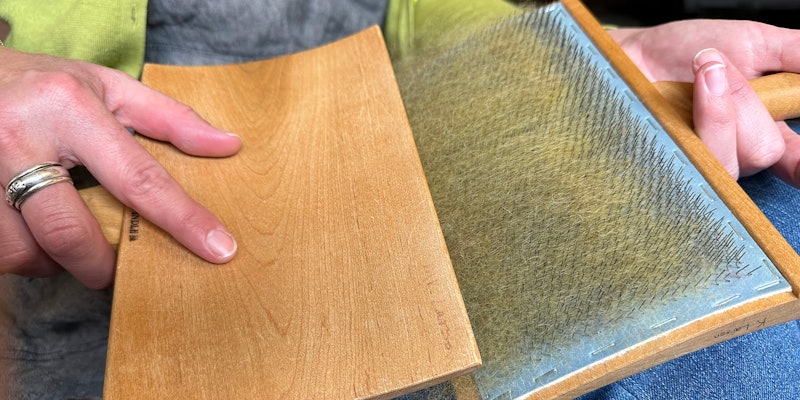
I love and collect handcards the way that many of my friends collect spindles.
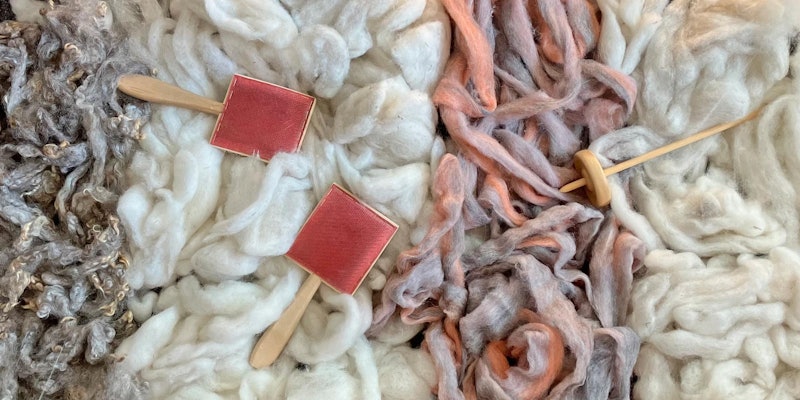
Spinner Devin Helmen ruminates on how stashes come to exist, how they tend to grow on their own when our backs are turned, and how to decide when it’s time to pare down.
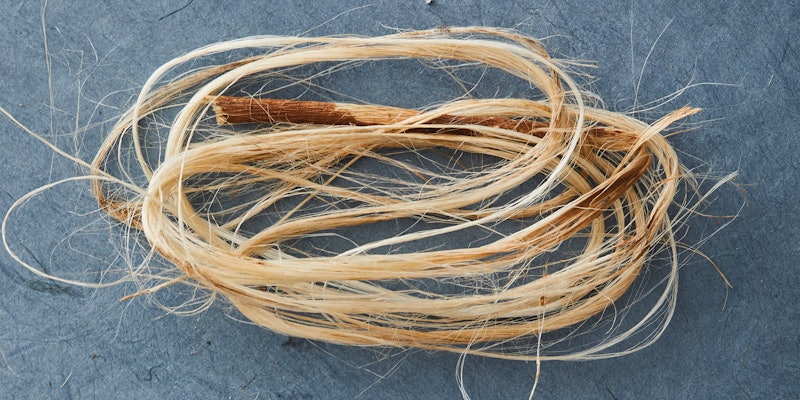
When it comes to bast fibers, extracting the usable fiber from the plant can take patience and practice.
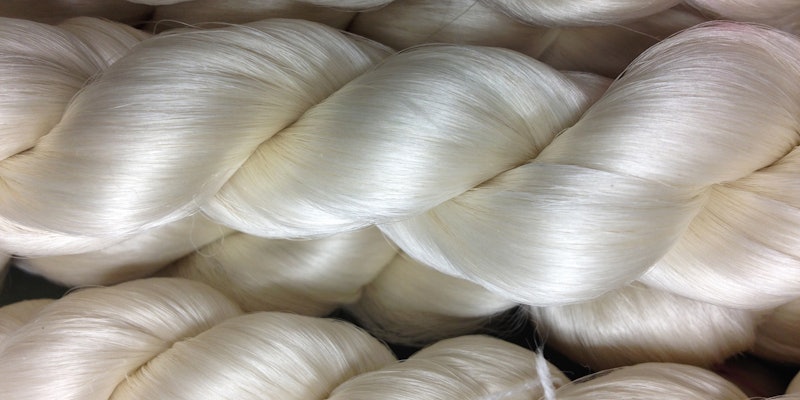
In this excerpt from “New Twists on Old Fibers,” Christina Pappas considers spider silk from historic and modern perspectives.
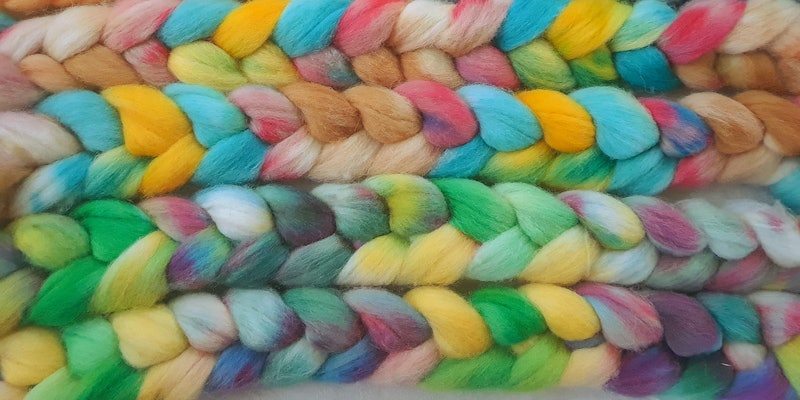
When I really want to surrender to spontaneity and playfulness, I take out my cake-decorating supplies and start dyeing yarn with food coloring.
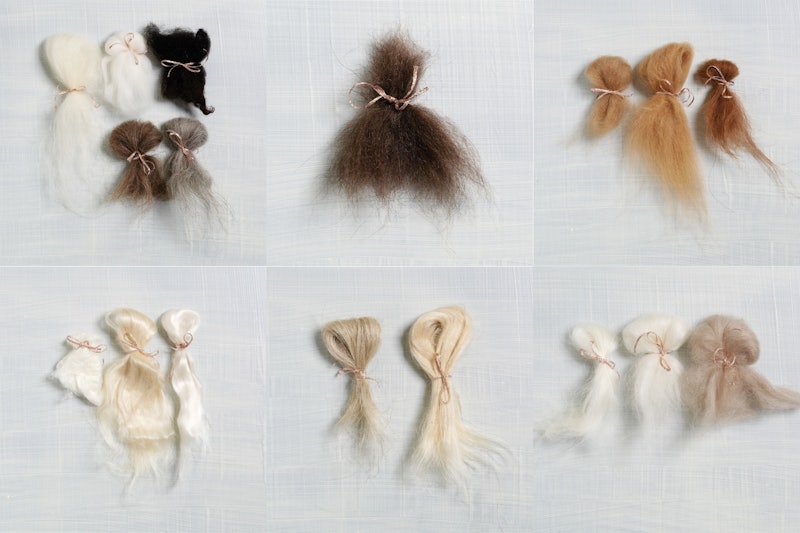
We gathered some fibers we had on hand for this introduction to natural fibers. The list is nowhere near exhaustive, but it provides examples of common plant and animal spinning fibers.
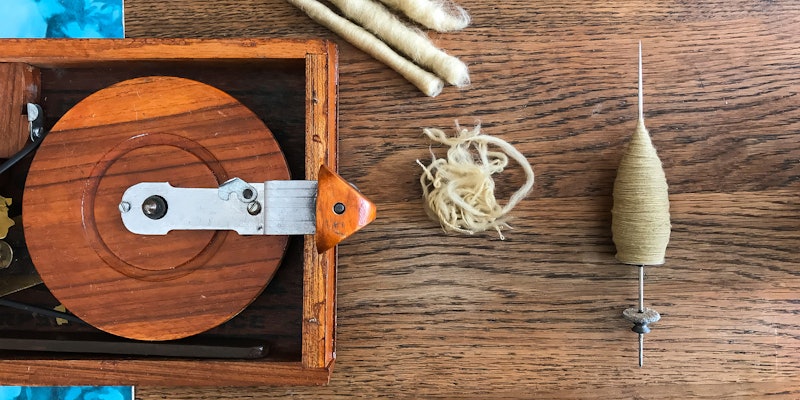
My love affair with charkha spinning was starting to leave me frustrated and grumbling. Here’s how I regained my loving-kindness.