
Spinning Handpainted Roving: Color Techniques
Seriously, why do I have so many braids? BECAUSE I LOVE THEM.
Category
Seriously, why do I have so many braids? BECAUSE I LOVE THEM.
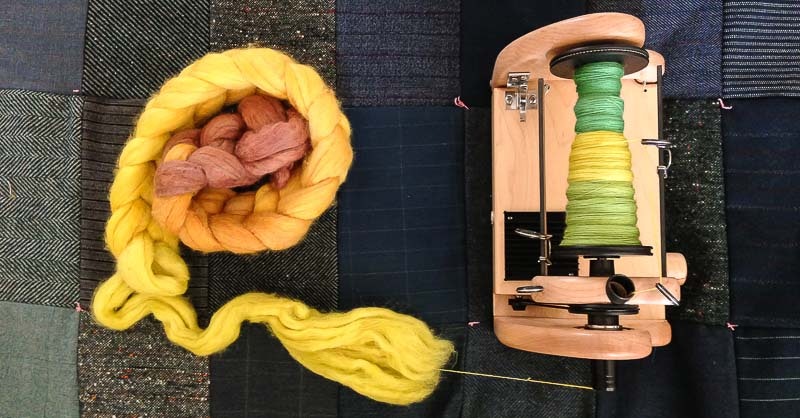
Gradient yarns that slowly shift colors from one end of the skein to the other are a great spinner’s challenge.
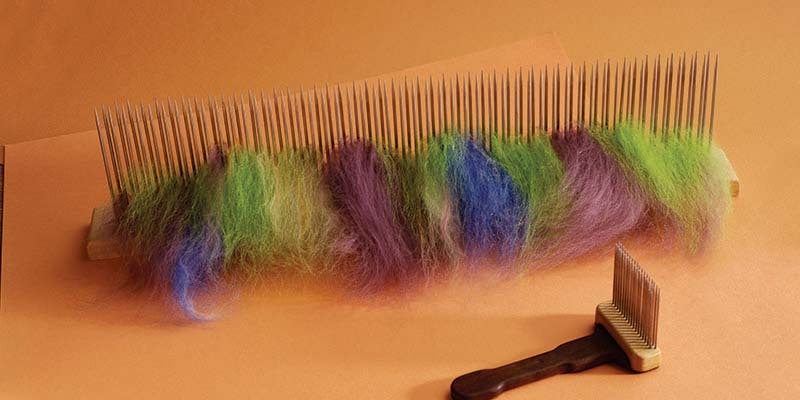
Hackles come in two types: a flax hackle has square tines clustered in several rows, and a wool hackle has cylindrical tines in only one or two rows.
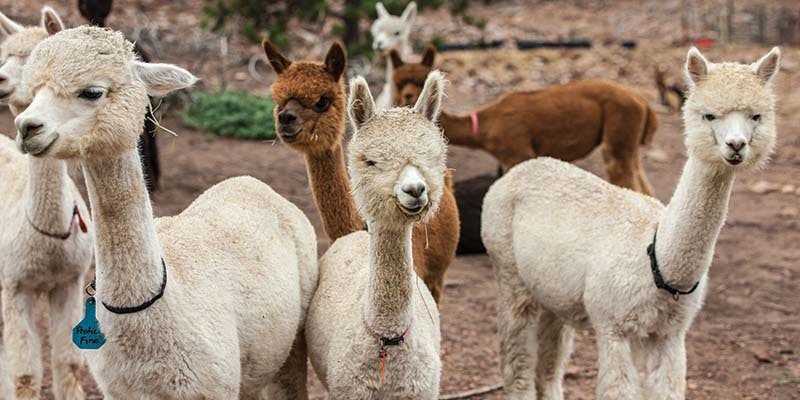
Amy Tyler fills us in on what the Bradford system, micron system, and blood system mean and what these systems tell you about measuring fiber.
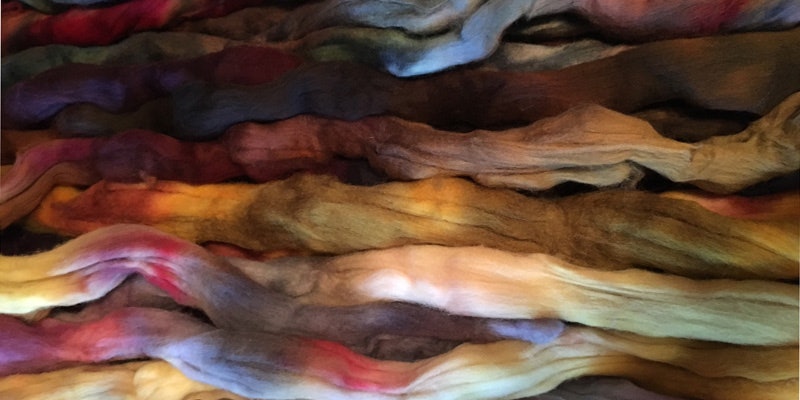
Have you been participating in the Spin Off Ravelry group’s #CombospinSALKAL ? The spin-along officially ends on Friday, but I have a confession: I don’t think I’m going to finish spinning in time, much less knit a sweater.
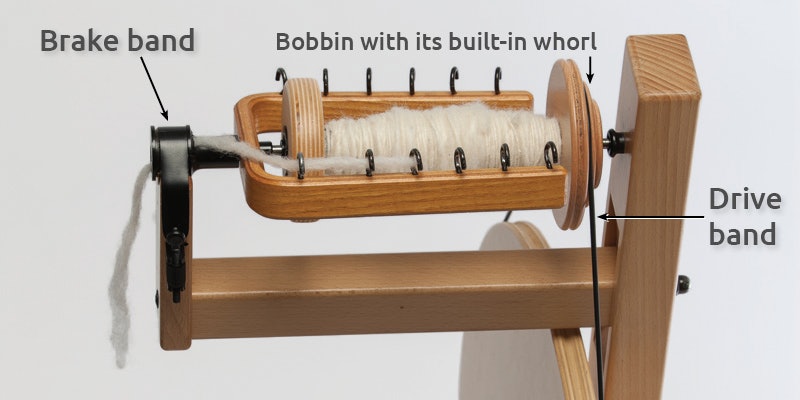
Irish tension is a single-drive tension system often referred to as bobbin lead.
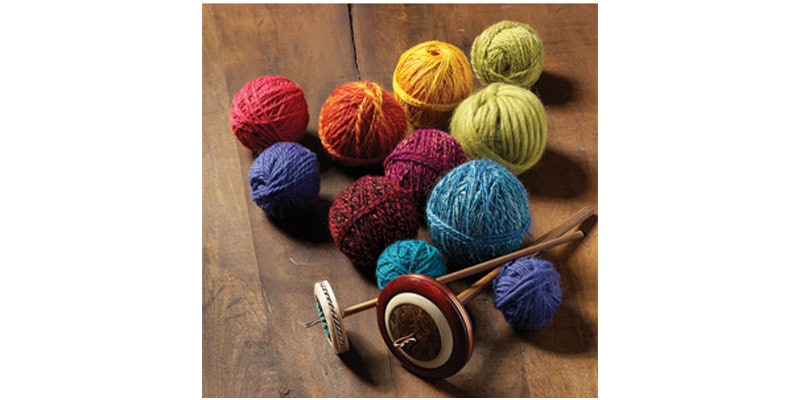
It’s not a contest, they say. Sure, we’re all winners. But in my competitive little heart, I know that spinning yarn is the very best craft, a better way than any other to spend your time.
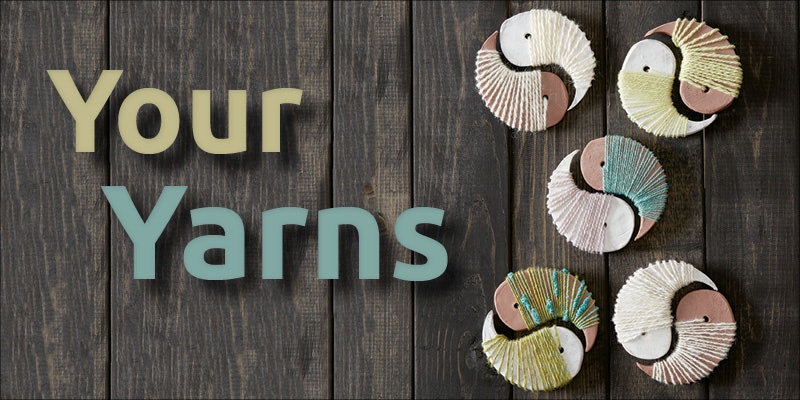
For the theme Making Choices, we requested yarns that feature the same fiber spun two different ways.
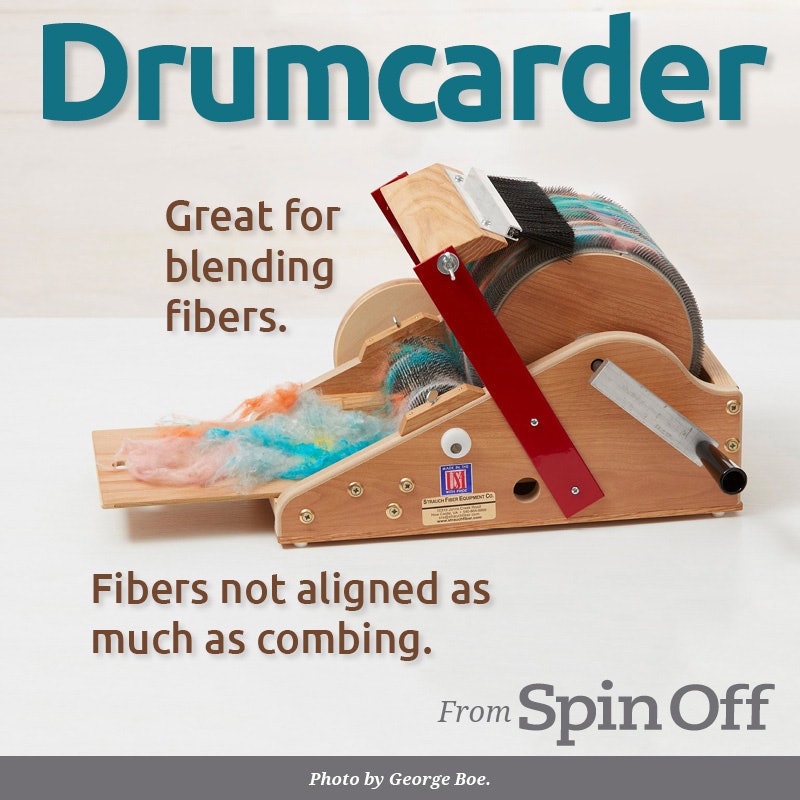
A drumcarder is a fiber preparation tool used for aligning fiber, blending, and creating batts.
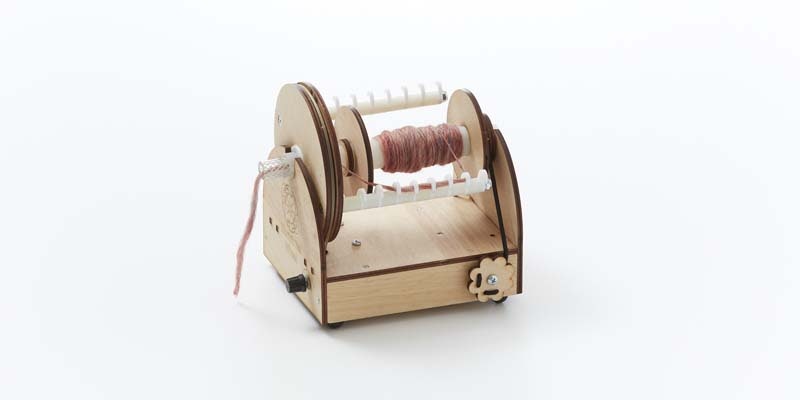
Going from the drop spindle to an electric spinning wheel is like jumping from an ancient era into a modern one. The spindle is a primitive tool that requires patience and dedication; the e-spinner is a device designed for efficiency and, perhaps, instant
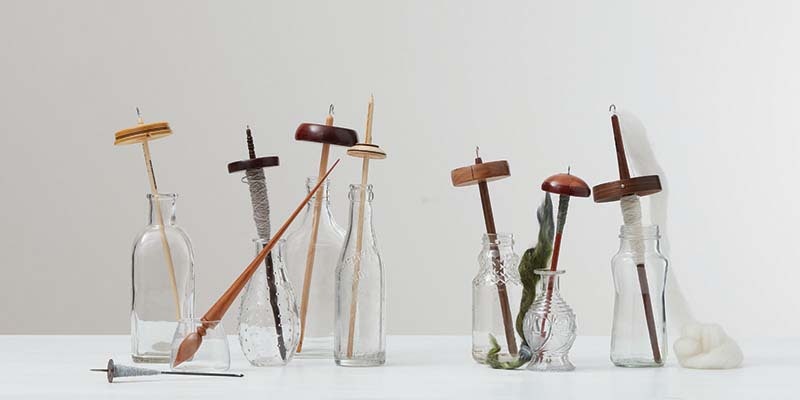
Spin Off themes are pretty relaxed; we think of them as prompts instead of narrowly focused plans. The Spring 2017 issue focused on making decisions—a spinner’s greatest challenge and opportunity. Whether they were choosing between two ways of prepari