
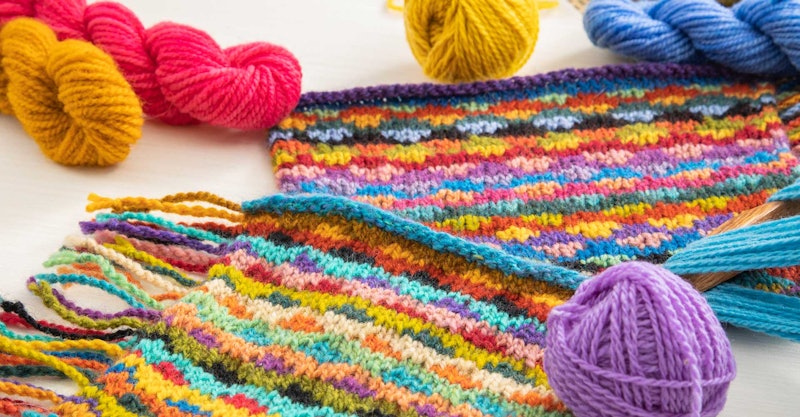
The Curious Colorist: Small-Batch Dyeing for the Dabbler
See how one spinner explores color by building a stash of hand-dyed handspun using mini loaf pans and a roaster oven from the thrift store.
Category
See how one spinner explores color by building a stash of hand-dyed handspun using mini loaf pans and a roaster oven from the thrift store.
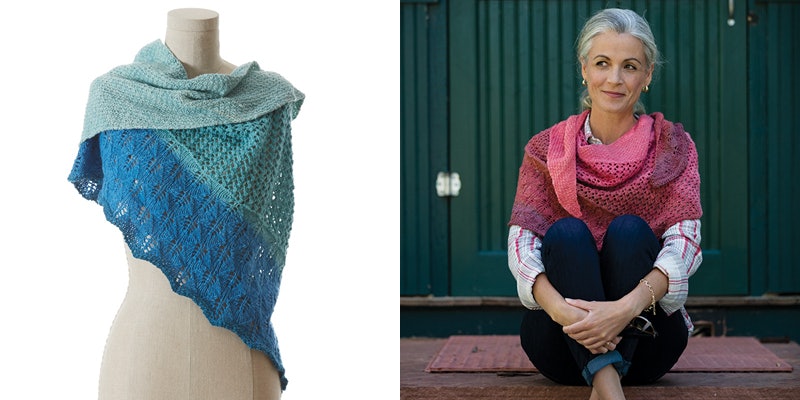
Knitting with gradient yarn keeps your needles clicking as you race for the next color in the yarn.
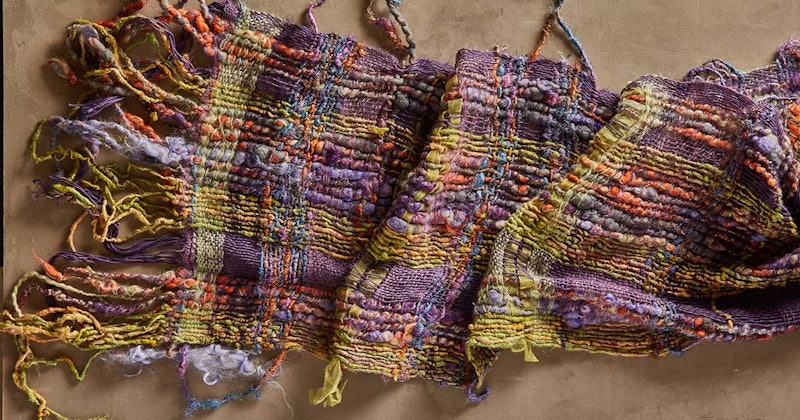
Creative handspinner Esther Rodgers is often asked how to use highly textured art yarns to showcase their best qualities. One of her favorite ways is weaving. Esther shares her tips for using art yarns as a warp. (Don’t think you can? Think again!)
Whether you’re measuring handspun or millspun, learn about some of the most common classifications for measuring knitting yarn.
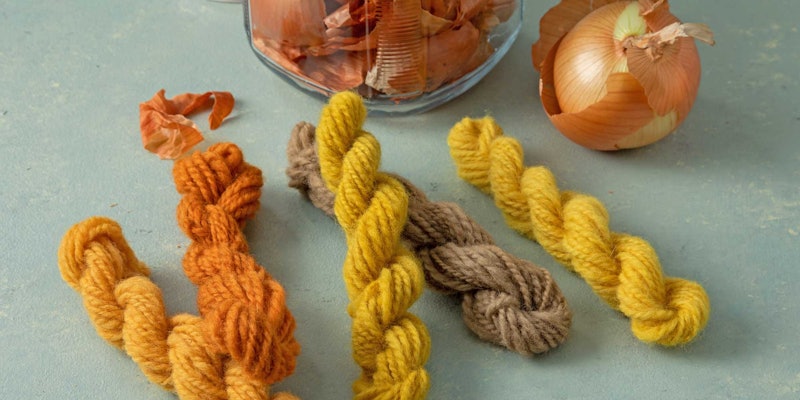
Are you curious about natural dyeing but have yet to give it a try? We’d like to help you get started!
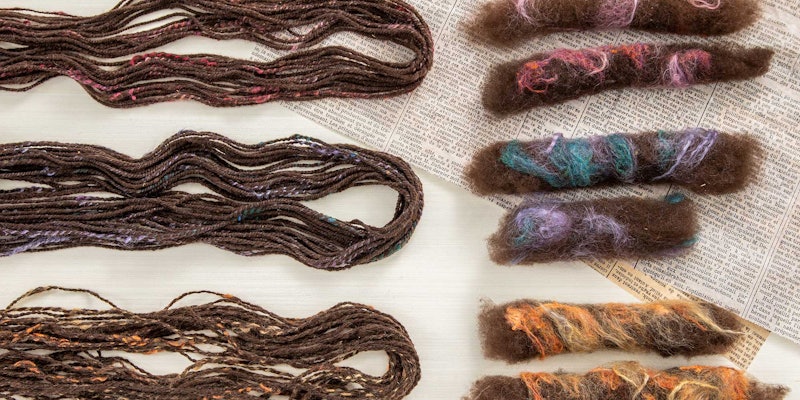
Learn about garneting—the process of turning yarn back into fiber—using your thrums and leftover yarns.
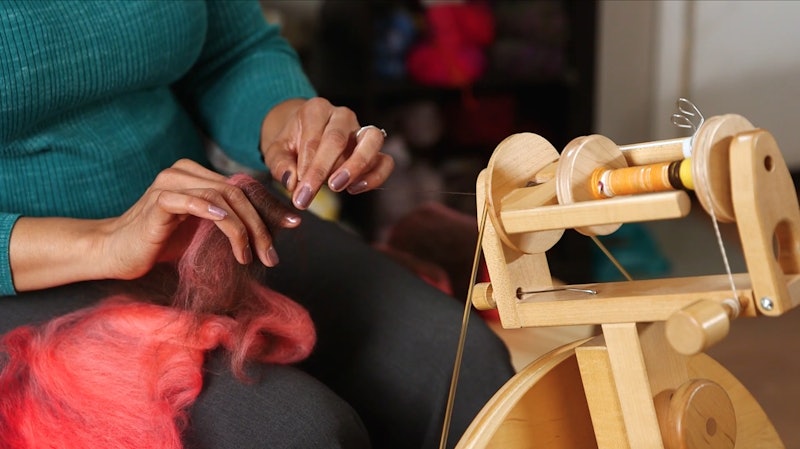
Keep your colors clear by controlling which color and part of the fiber you are drafting.
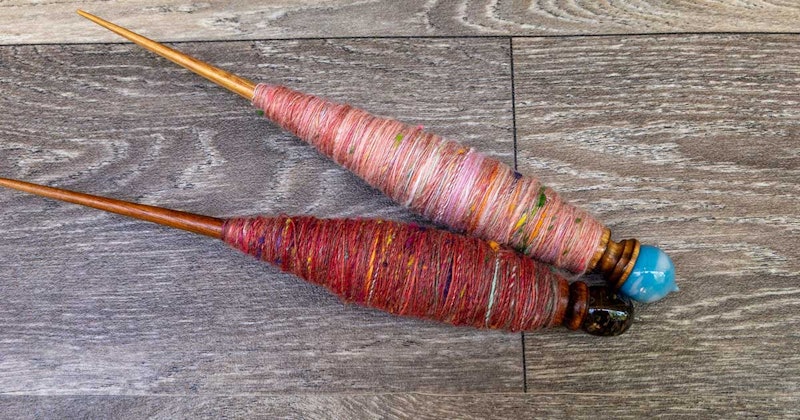
Learn all about the temporary-cop method and tips for building a better cop.
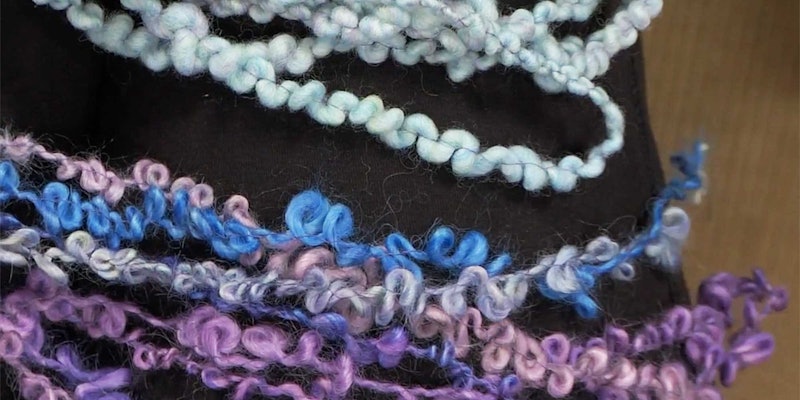
Getting ready to participate in the Tour de Fleece? Well, you may need to do a little “spinning training” to get ready! Author Sarah Anderson teaches us the building blocks of spinning, and then shows us how to create a variety of fun novelty yarns.
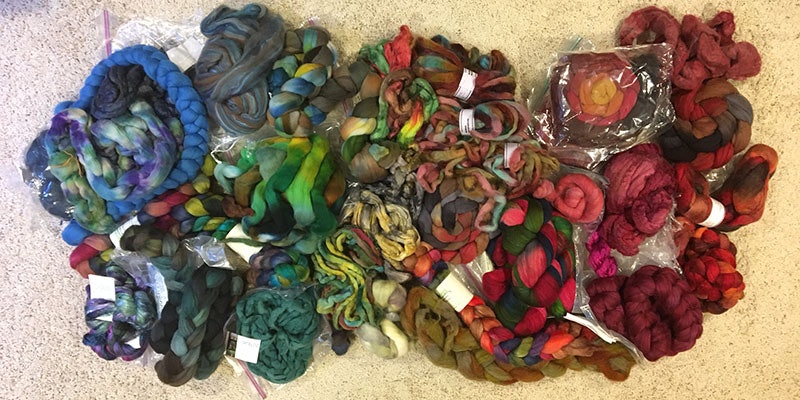
When a coworker asked for a photo of my fiber and yarn stash for National Pack Rat Day, I was sorry to disappoint her.
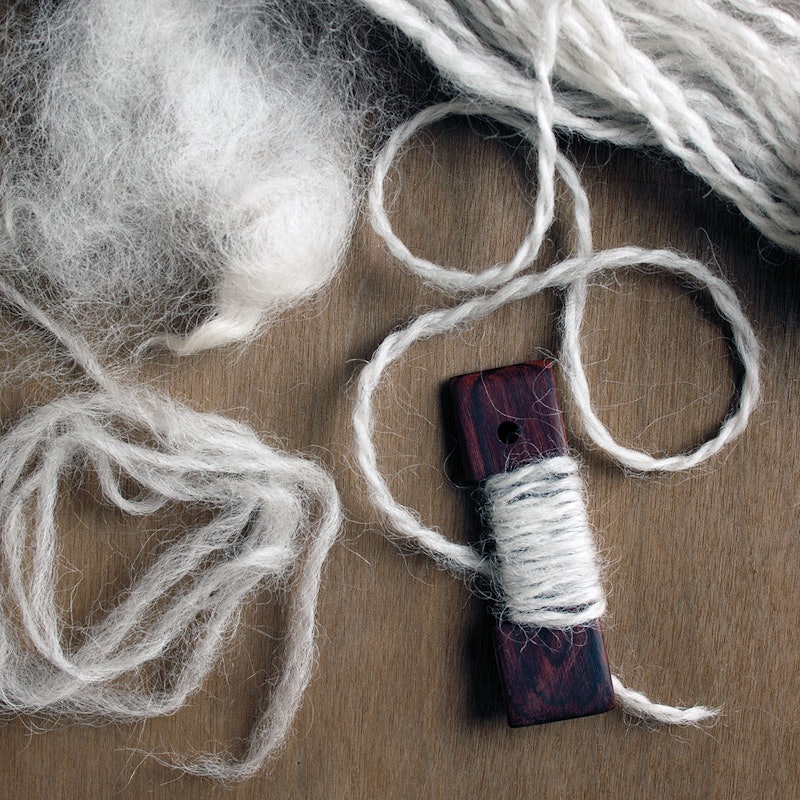
Underplied yarn is often achieved by beginning spinners because they ply stale singles and then look for balance in the ply when twist is dormant in the singles. But sometimes, underplying is desirable. Well-known spinner Amelia Garripoli makes her case.
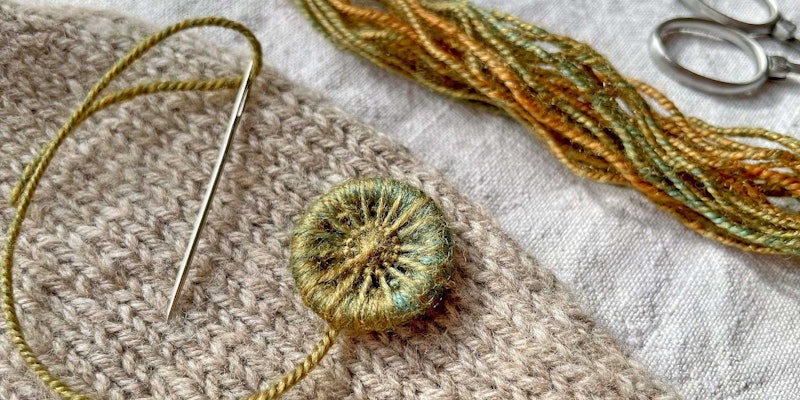
While I love spinning and knitting cardigans that incorporate beautiful buttons, I used to struggle to find the right ones. Then I learned to make my own buttons—and you can, too!