
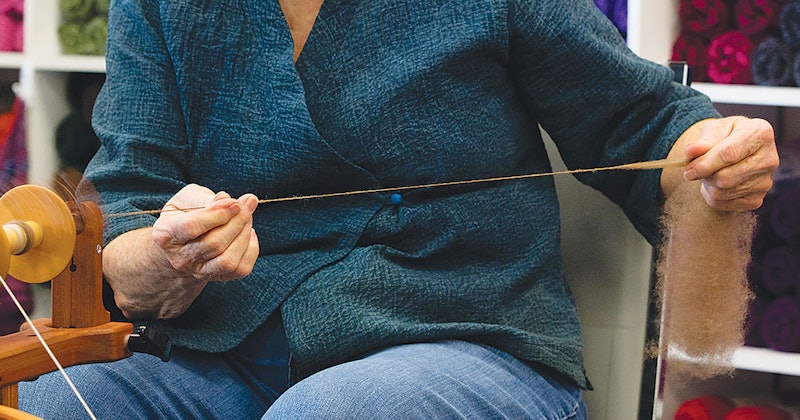
Woolen or Worsted Spinning: Where’s the Twist?
Next time you’re spinning, stop and take a look at your drafting method. Twist holds both woolen and worsted yarn together.
Category
Next time you’re spinning, stop and take a look at your drafting method. Twist holds both woolen and worsted yarn together.
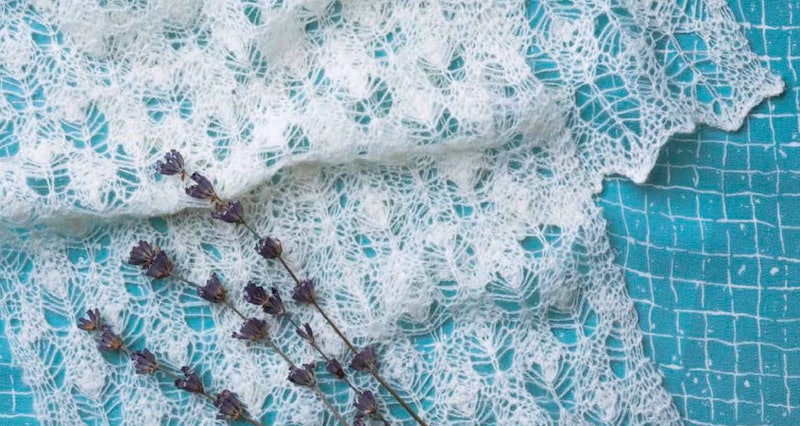
Over the years, Spin Off has been fortunate to have some of the very best teachers in the world share their knowledge and experience in dealing with these itsy bits of fluff.
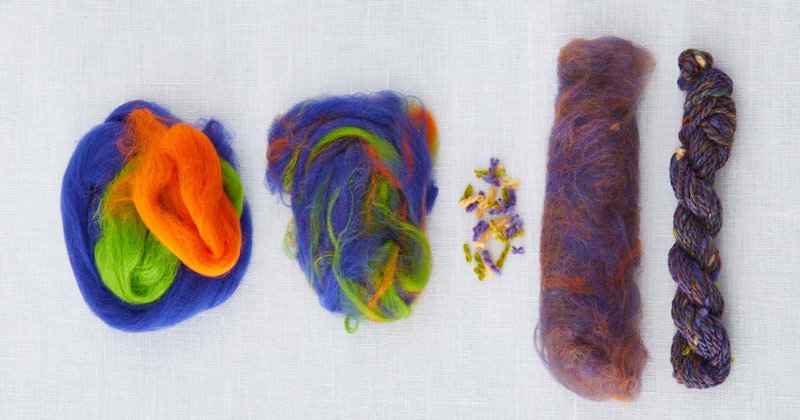
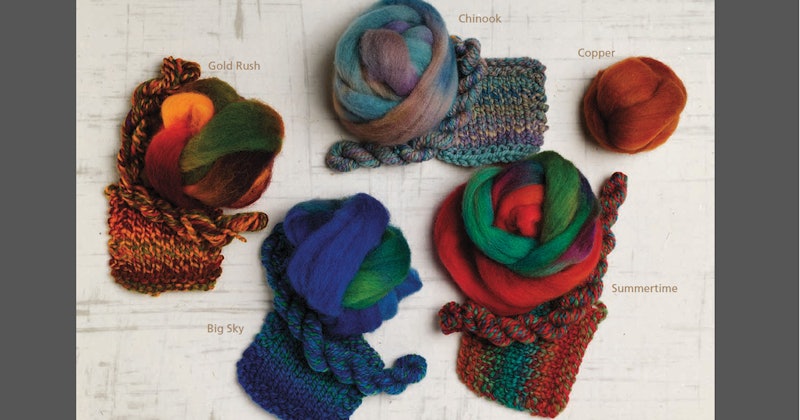
Jillian Moreno describes how to combine different colorways, different dyers, and even different fibers to spin absolutely unique yarn.

We all know that a skein of handspun yarn is made up of more than just fiber. Other elements count, too: the preparation, the color, the tools and how they’re used, and the ever-important mood of the handspinner.

If you were stranded on a deserted island, what spinning tool would you need?
Trial and error taught me a lot about dyeing yarn when I made my first handspun vest, and about plying when I made my first handspun socks. These lessons helped me on my second handspun vest, and then textured knitting stitches disguised less-than-perfect
I hit the jackpot in Christmas 1997 or 1998: my mother gave me a lace flyer for my spinning wheel, and my fiber dealer friends sent me a few ounces of superfine merino top—the perfect fiber for spinning laceweight yarn!
My handspinning journey took some interesting turns after I moved to Kansas in 2000 and began teaching at a small university. Since the university’s art department offered textile classes, I now had access to new some new toys and expert advice.
I spun semiworsted to create a 2-ply bulky yarn, checking twist carefully—there’s a sweet spot for alpaca where yarn holds together without feeling stiff or harsh.
If there’s any better form of self-care than spinning exotic fibers, I have yet to discover it. My version of Fantasy Island holds a lot of spinning wheels.