
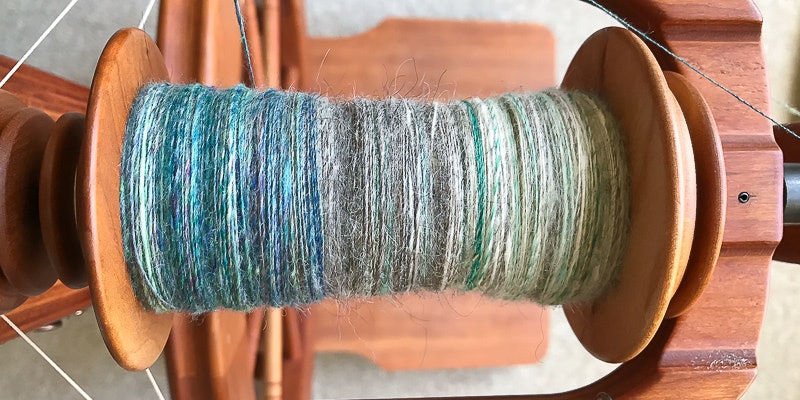
Roving Reporter: Reduce, Reuse, Recard! Spinning Gradient Yarn from Leftovers
In the spirit of spring, we have sorted our leftovers into colorways, carded them into batts, and now we dive right into spinning gradient yarn for a knitted cowl!
Category
In the spirit of spring, we have sorted our leftovers into colorways, carded them into batts, and now we dive right into spinning gradient yarn for a knitted cowl!
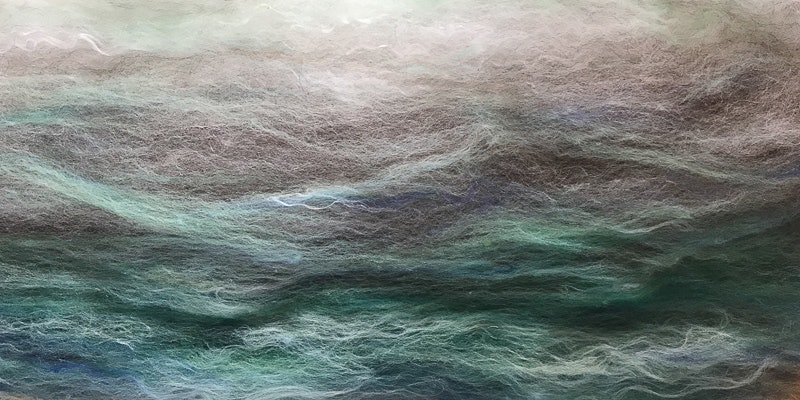
The first post in our series on gradient batts began with a tangled multicolored mess and finished with a cohesive colorway. Now, let’s assemble a gradient batt!
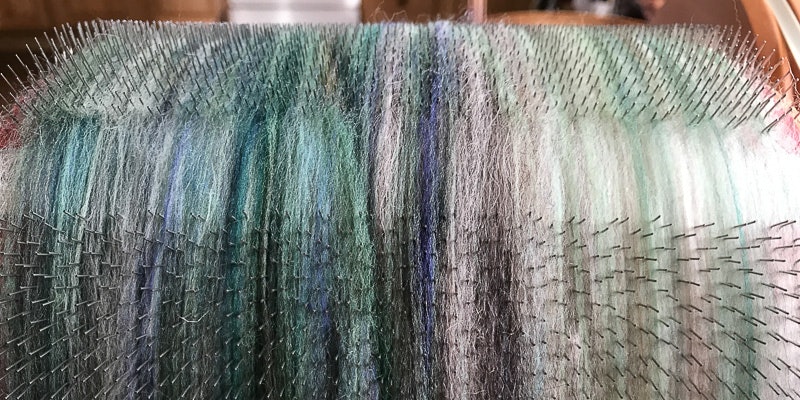
What do you do with fiber dregs? Since my early spinning days, I’ve been saving these bits and pieces for drumcarding into batts.

One's a scary, sexy, expensive way to get from Point A to Point B, and the other's a bike.
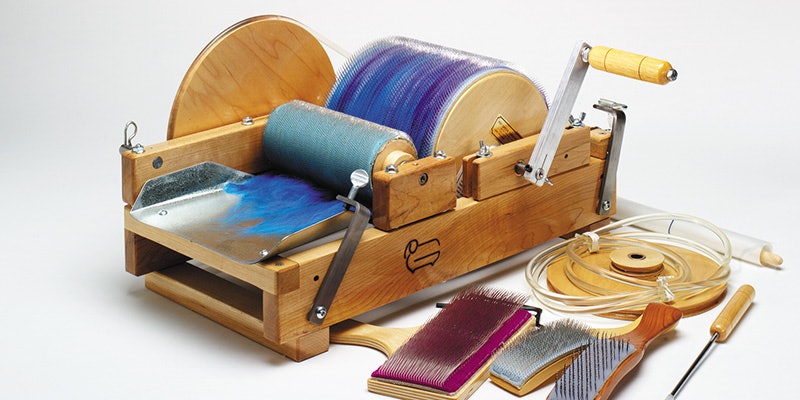
I was first introduced to Patrick Green in 1978. I wanted a way to prepare fibers faster than I could with handcards. My local yarn store provided me with a solution: a drumcarder from Canada made by a man named Patrick Green.
It’s no wonder that we look forward to Kate Larson’s latest Roving Reporter—we can’t wait to see what she’s been up to!
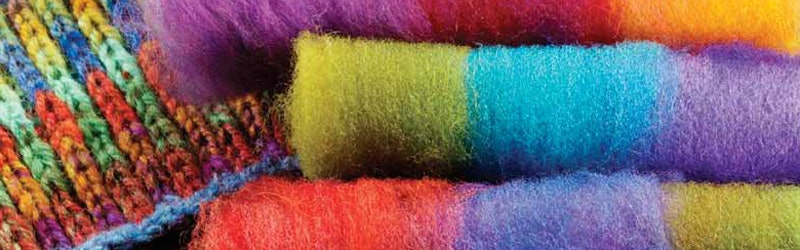
Carding is a process of brushing clean fibers over opposing sets of short wire teeth to open and separate the fibers into a uniform mass to open, separate, and straighten the fibers.
Mining handspinning tips from 145 back issues of Spin Off proved to be no small task! Check out these nuggets of fiber wisdom.
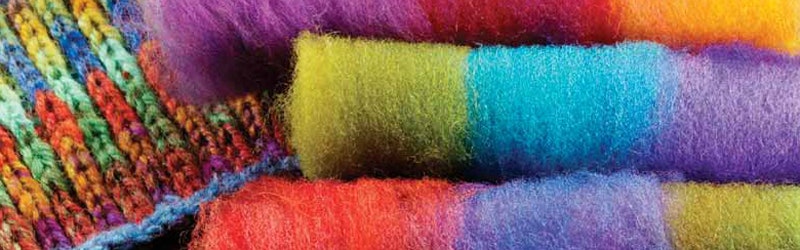
This free guide to wool combing and carding provides expert tips on using hand carders, wool combs and drum carders to prepare your fiber for spinning.
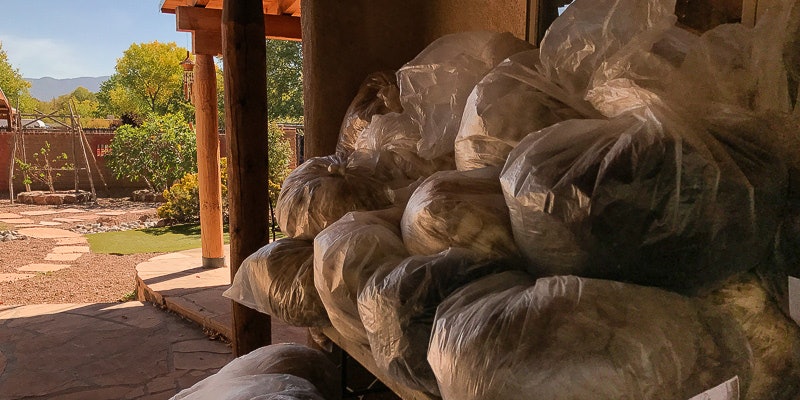
This cheerful mill in Albuquerque is where Ruth Baldwin works her magic on piles and piles of wool, transforming fleece into custom wool roving and yarn.
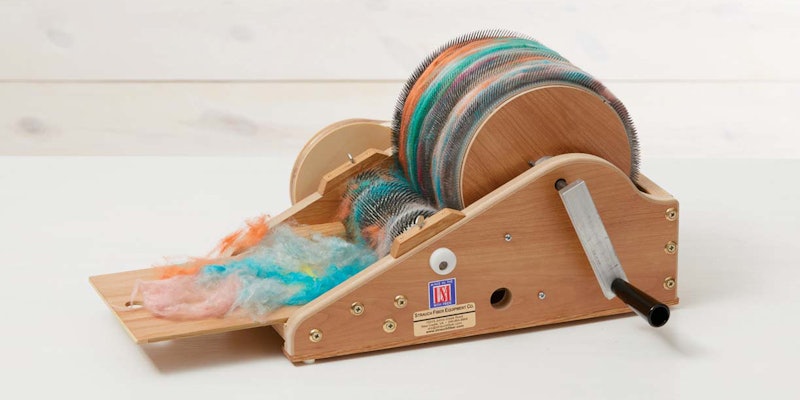
Here are 3 things to know for happy carding, blending, and spinning. If you know how to use a drumcarder well, it will serve you for decades.
