
Latest
How to Stretch Angora Fiber in Blends—But Keep That Halo!
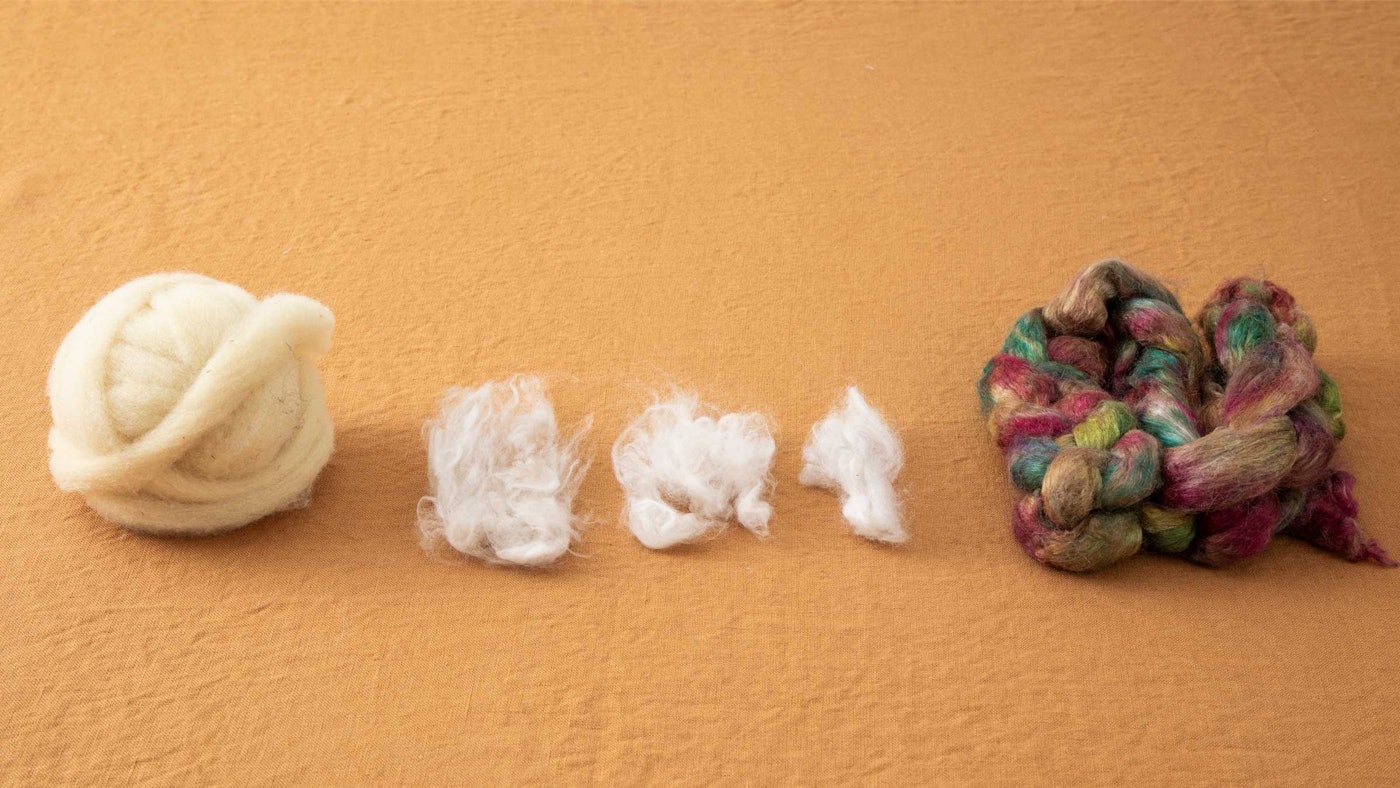
Adding more fibers to the mix can help stretch your stash—and your budget. But how can you make sure to keep angora’s distinctive halo?
Category
Adding more fibers to the mix can help stretch your stash—and your budget. But how can you make sure to keep angora’s distinctive halo?
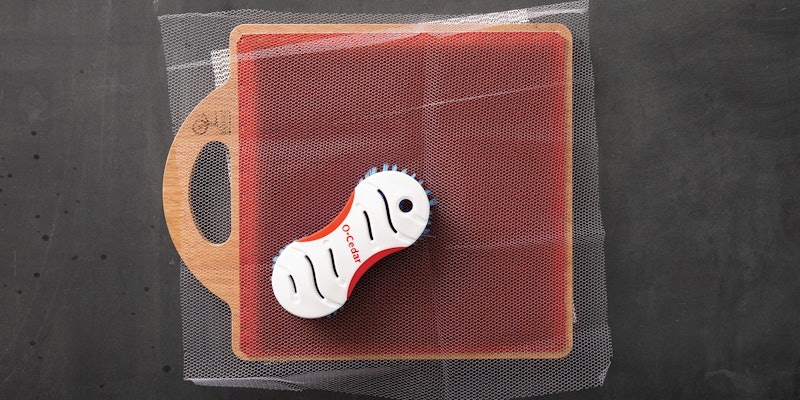
Take your blending board skills to the next level with a few easy-to-find accessories.
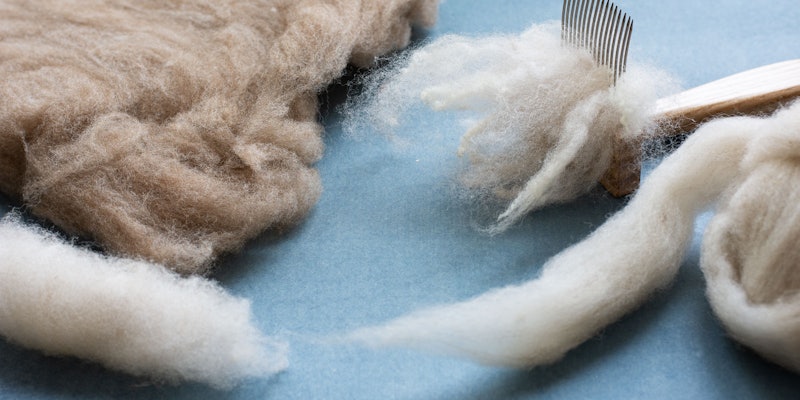
Learn how to choose your fiber preparation with a knitting project in mind—here are some suggestions to get you started!
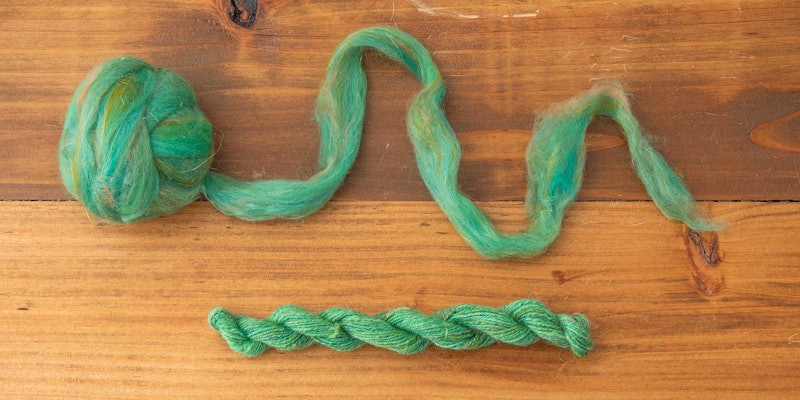
Blending boards offer lots of options. Find out why they’re this spinner’s desert-island prep tool.
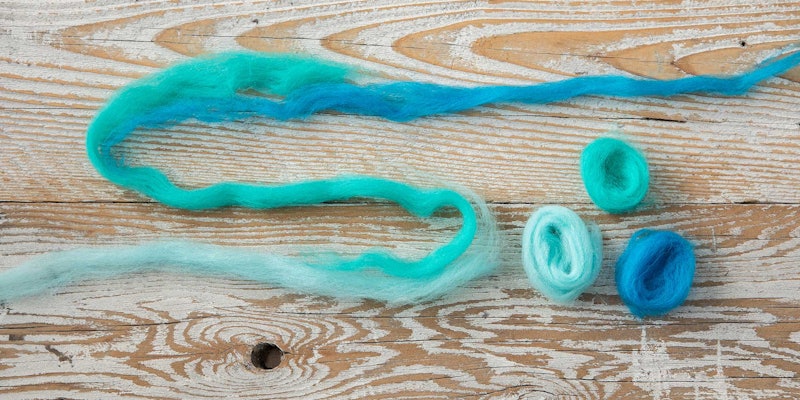
No drumcarder? No problem! You can still blend stunning and complex colorways with these simple techniques.
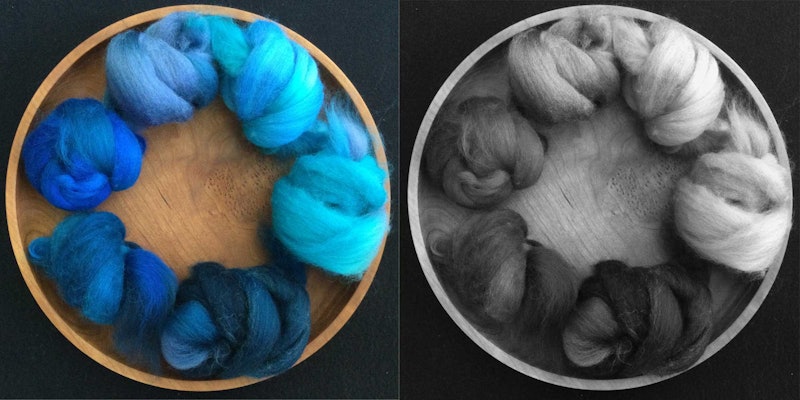
Kim McKenna continues the conversation on using value keys to create the perfect blend.
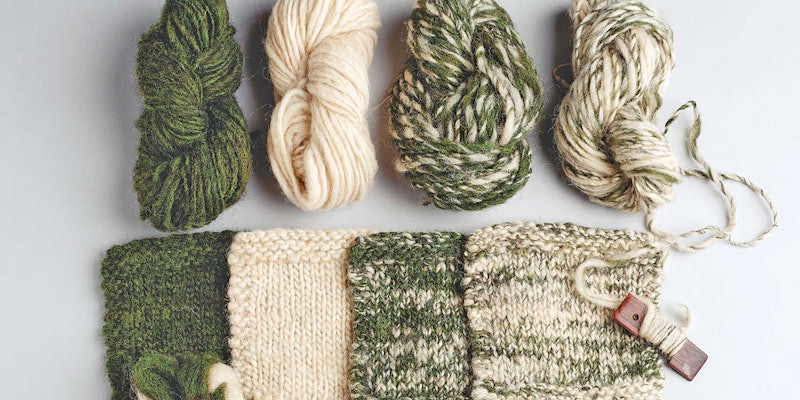
See Amy Tyler’s method of creating blended yarns by pre-drafting more than one color of roving together to produce interesting color variations.
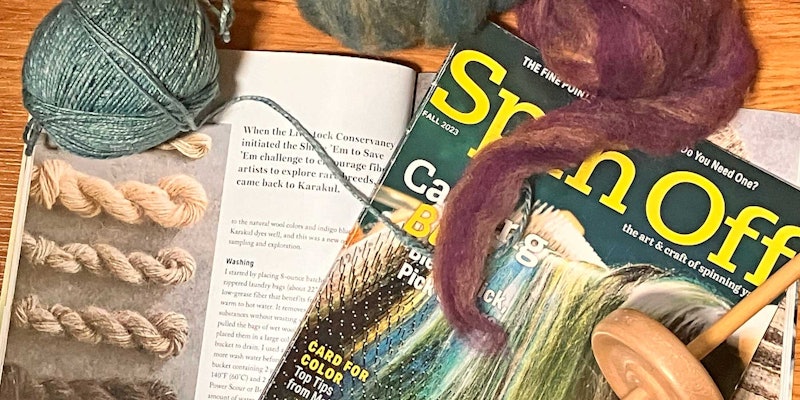
I discovered Spin Off about the same time I became the proud owner of my first spinning wheel and started producing copious amounts of handspun yarn. Where were you when you first read Spin Off?
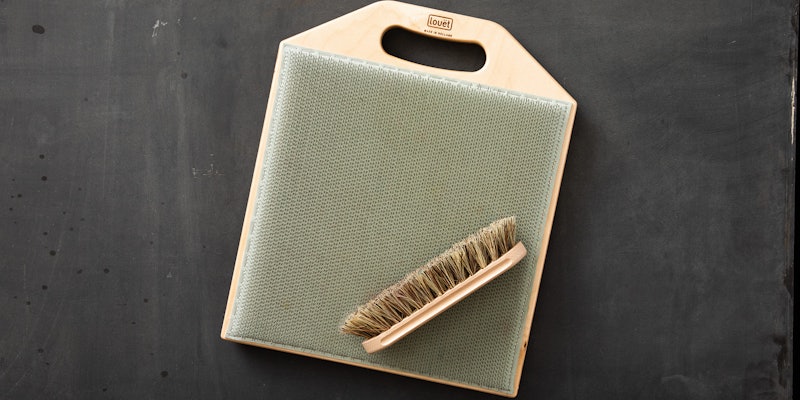
Spinning tools are a big investment. Handcards, drumcarders, flick carders, and blending boards all use carding cloth, a toothed material, to open and blend fibers.
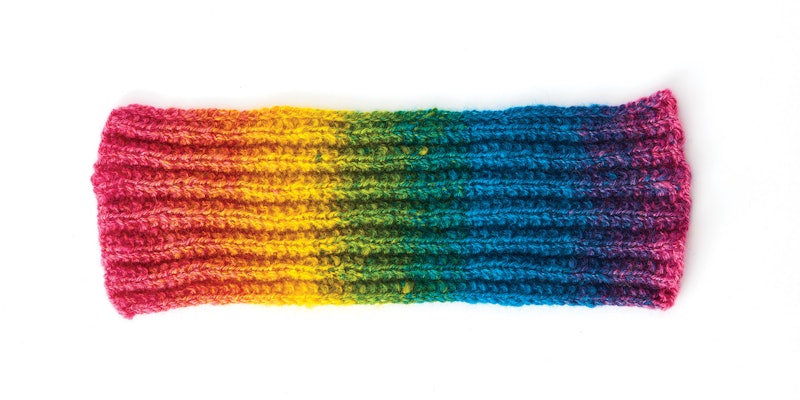
Spinners love blending colors, but what happens when you use an inkjet printer for inspiration?
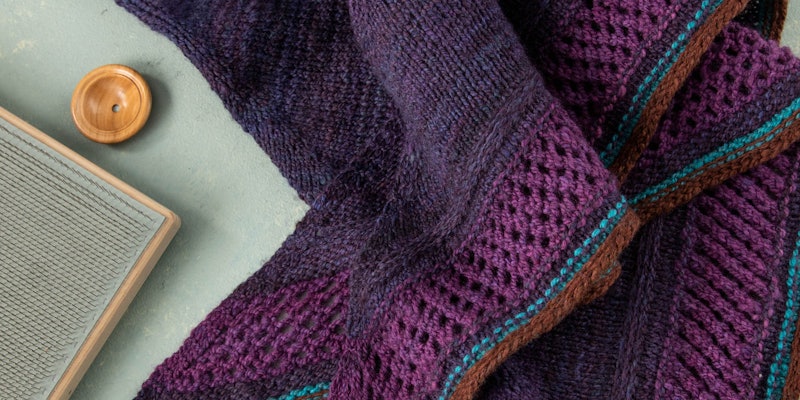
Have you ever dizzed fiber off a blending board? Check out Kim McKenna’s method for creating a smooth, blended prep.
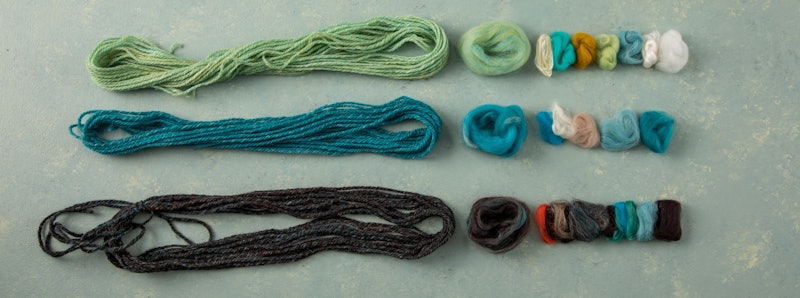
Kim McKenna shares her process for creating and tracking the rich blends developed for her new Spin Off pattern, the Ancient Earth Shawl.
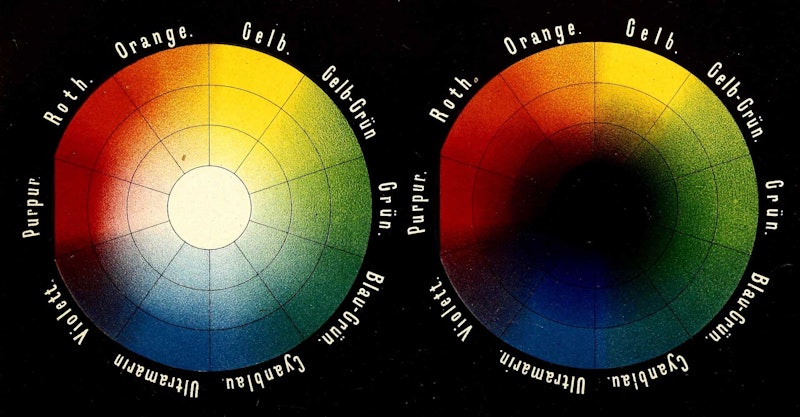
What effect does blending white or black fiber into a color have on the finished fiber?